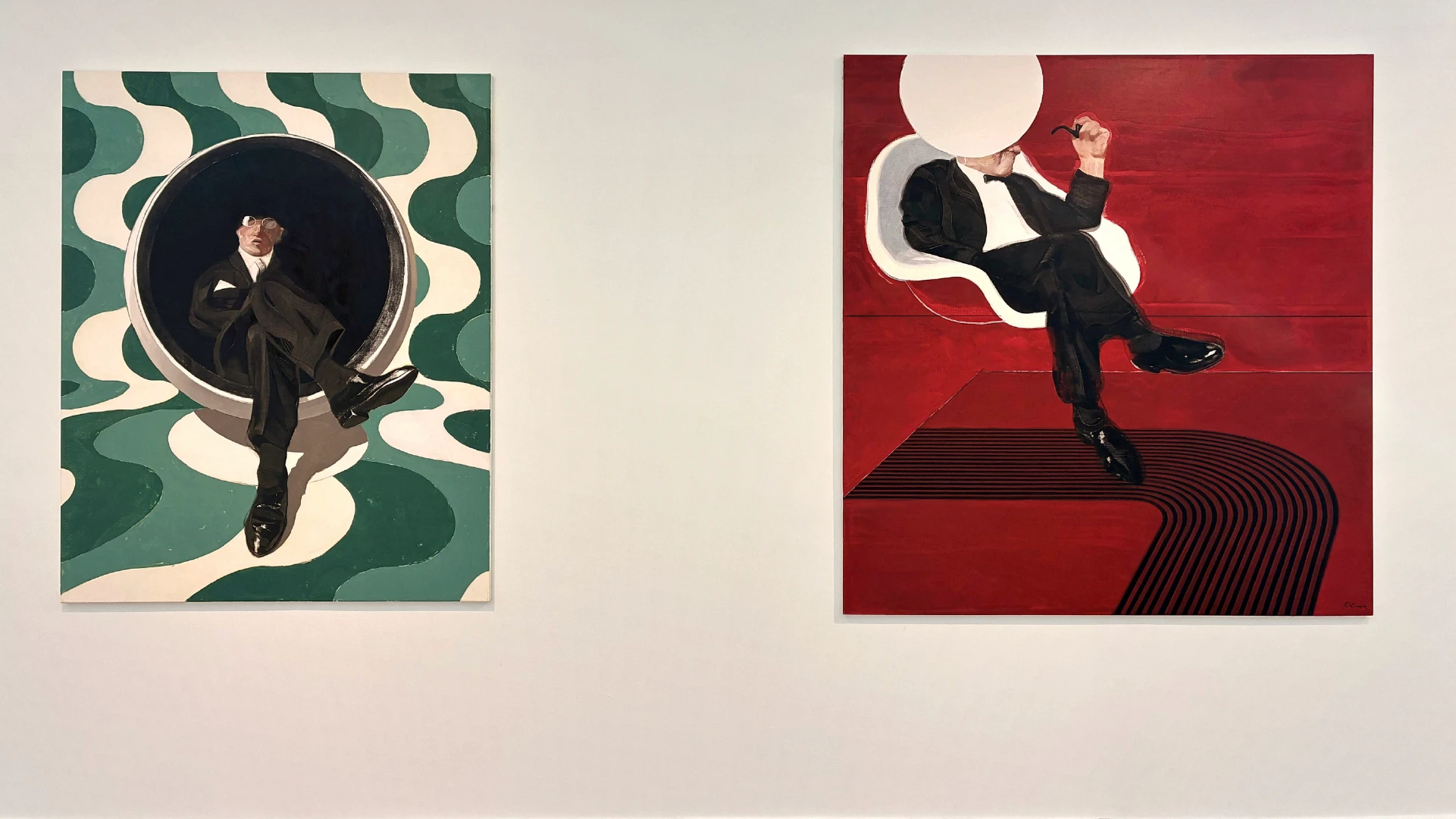
Fernando O’Connor was born in 1966 in the City of Buenos Aires.
He developed his training in the workshops of the Asociación Estímulo de Bellas Artes in Buenos Aires. He held his first exhibition in 1997 at CC Recoleta in Buenos Aires. Since then, he has exhibited regularly in various galleries, museums, and institutions, both in Argentina and in Canada, Ireland, the United States, Spain, England, France, and Belgium.
O’Connor’s painting is grounded in the pictorial tradition, with a clear projection onto the legacy of Carlos Alonso, Ernesto Deira, Carlos Gorriarena, and Jorge Demirjián, figures who, in the artist’s view, shaped the course of contemporary figuration in Argentina.
He currently lives and works in Buenos Aires.
author
Luciana Trost
,
Ale Mottesi
Date
March 26, 2026
Editorial
Contemporary
Share
WHAT DOES ART MEAN TO YOU?
Fernando O'Connor
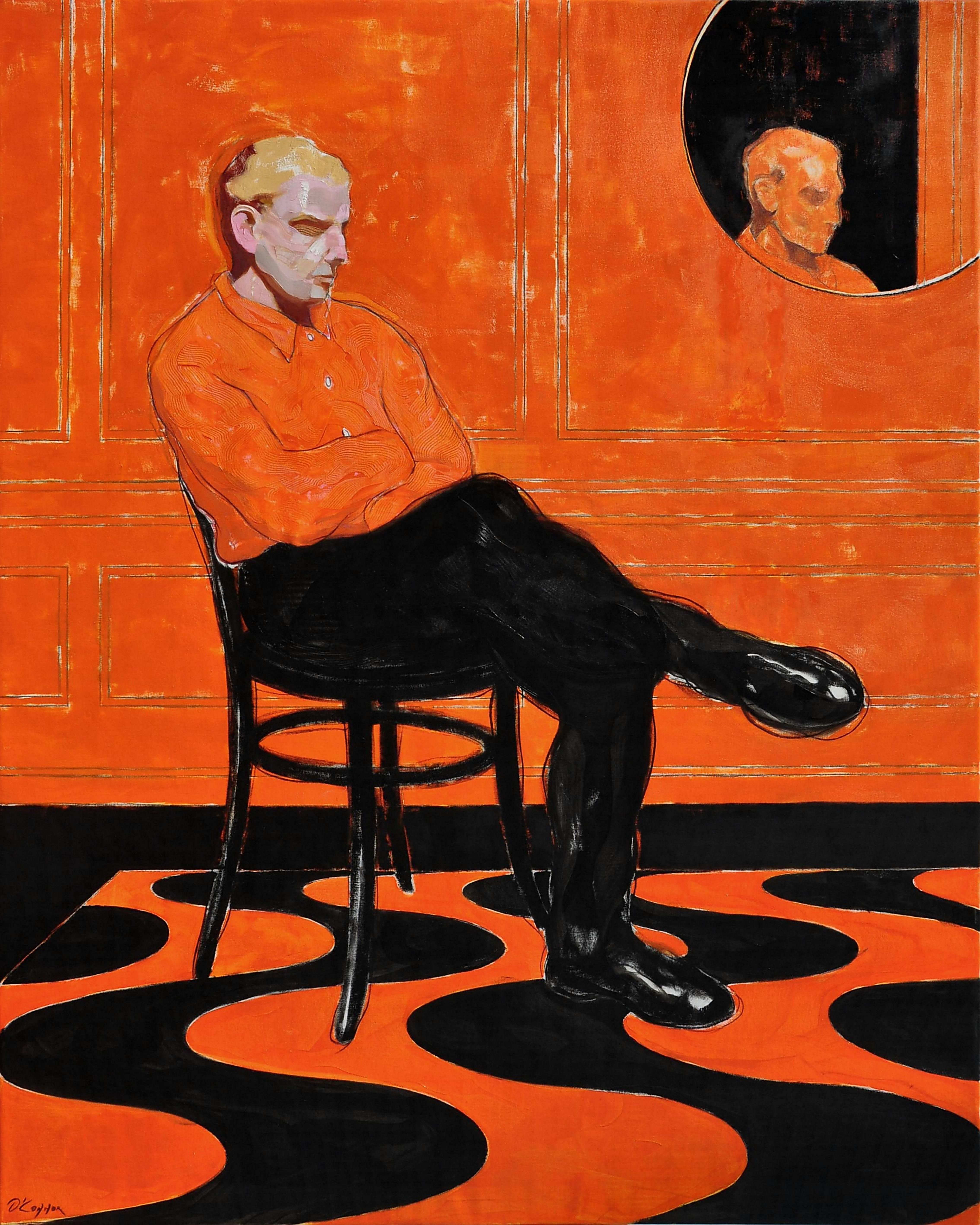
Most definitions of art tend to be too generic and therefore debatable. In any case, I could attempt an approach through painting, or more precisely through figuration, which is what I work with. My idea is that figurative painting proposes a debate with reality. That debate leads to an aesthetic event, so art is a reflection on reality, but reflection in the sense of a mirror, one that makes bearable what one does not always want to see.
HOW WOULD YOU DESCRIBE YOUR WORK?
F.O.C
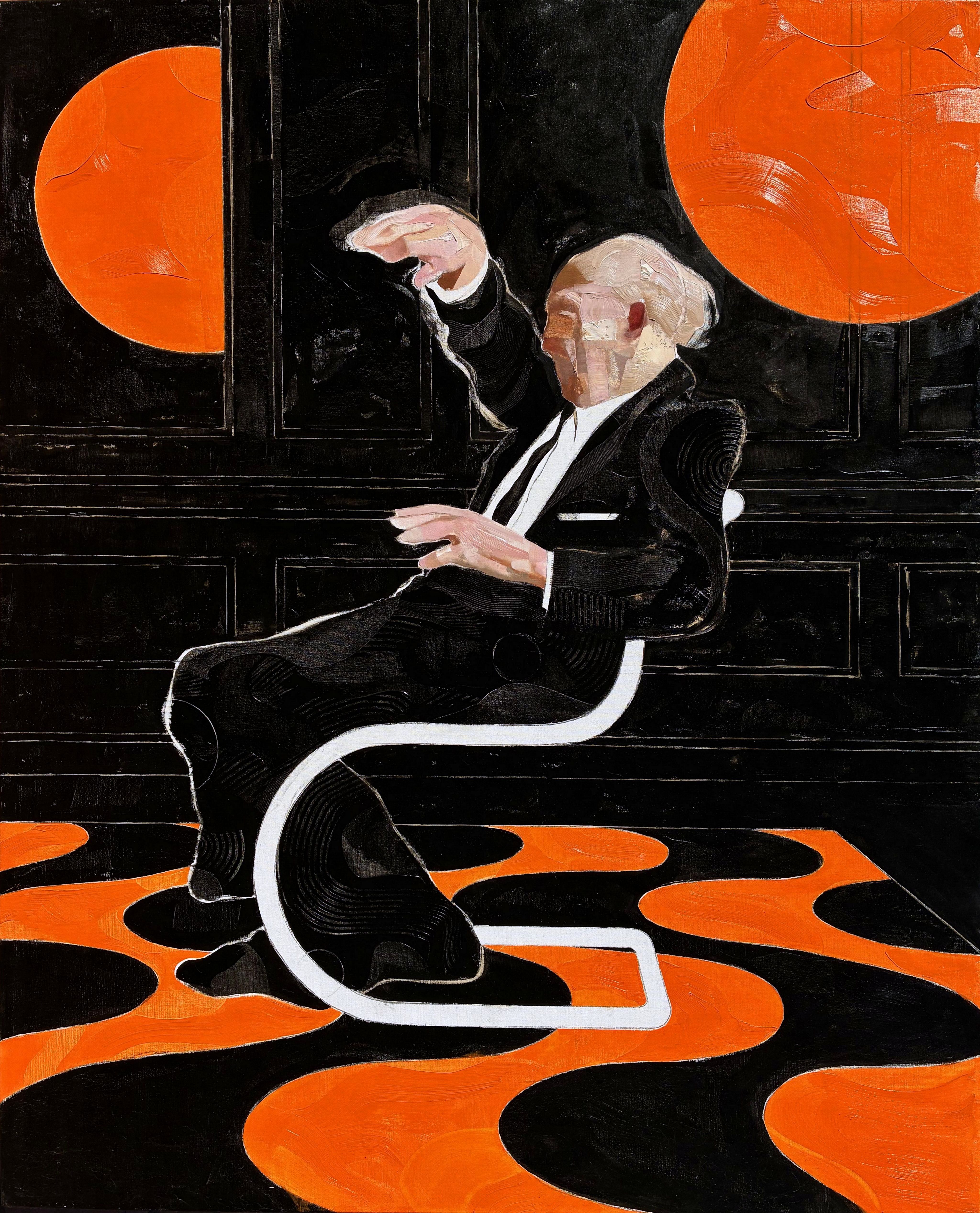
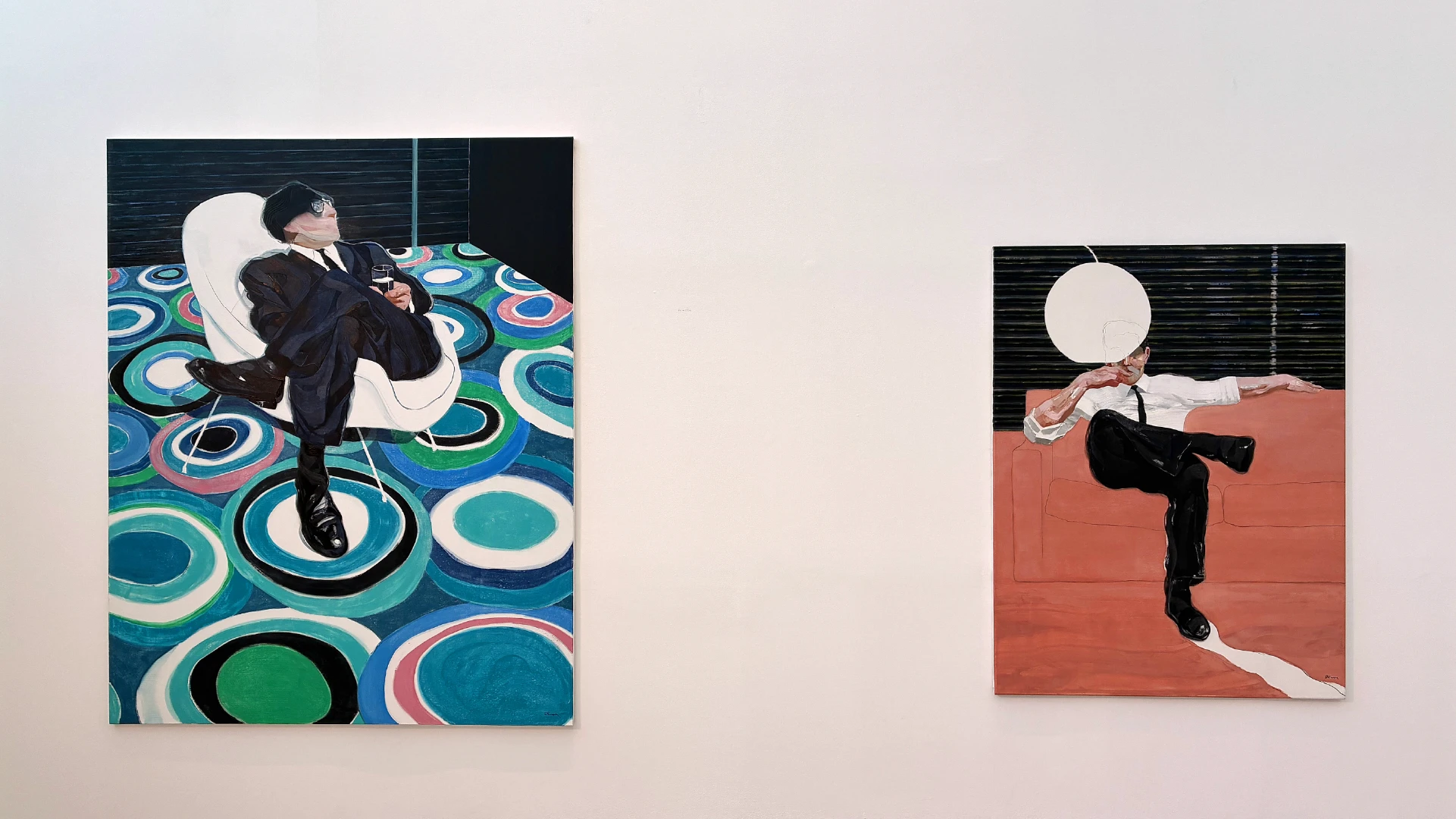
I see myself within contemporary figuration. I focus mainly on the human figure and only occasionally address a specific theme. In reality, these themes function as a thread that keeps me more or less organized, but in general my subject is always the human figure. In aesthetic terms, I believe the process I am engaged in has to do with finding a way to approach figuration without falling into representation. I am interested in the figure as the trigger for a pictorial event that stands above description or academic correctness. I tend to create settings or atmospheres where the figures present a particular situation, so the narrative element is not minor in my work, but it is only an element. As form and color define the composition, the substance is the pictorial.
When did you first connect with art?
F.O.C
During high school, while working on an assignment, I opened an encyclopedic dictionary, the kind that came with images, and came across a painting by Salvador Dalí, The Temptation of Saint Anthony. That universe amazed me to such an extent that that same afternoon I went out to buy brushes. Shortly after, I began collecting the Great Museums fascicles and encountered Vermeer, Bacon, Caravaggio, Schiele, Velázquez, and others. The sense of wonder was such that I decided to become a painter.
What motivates you to create your works and to be creative?
F.O.C
The need to process reality.
"As form and color define the composition, the substance is the pictorial."
WHAT TECHNIQUES DO YOU USE?
F.O.C
I basically work in oil on canvas, although I usually lay out the figure or some structures with charcoal. In general, that is enough. I also draw a lot with charcoal or charcoal pencil on paper, mainly figures. Then I carry out some collage process to think through the composition and move directly to the canvas.
WHO ARE YOUR ARTISTIC INFLUENCES?
F.O.C
My main reference has always been the School of London, especially Francis Bacon. In Argentina, Ernesto Deira has always been hypnotic to me, but Carlos Alonso is like a lighthouse at sea. Among the old masters, Caravaggio, although I see him as a modern.
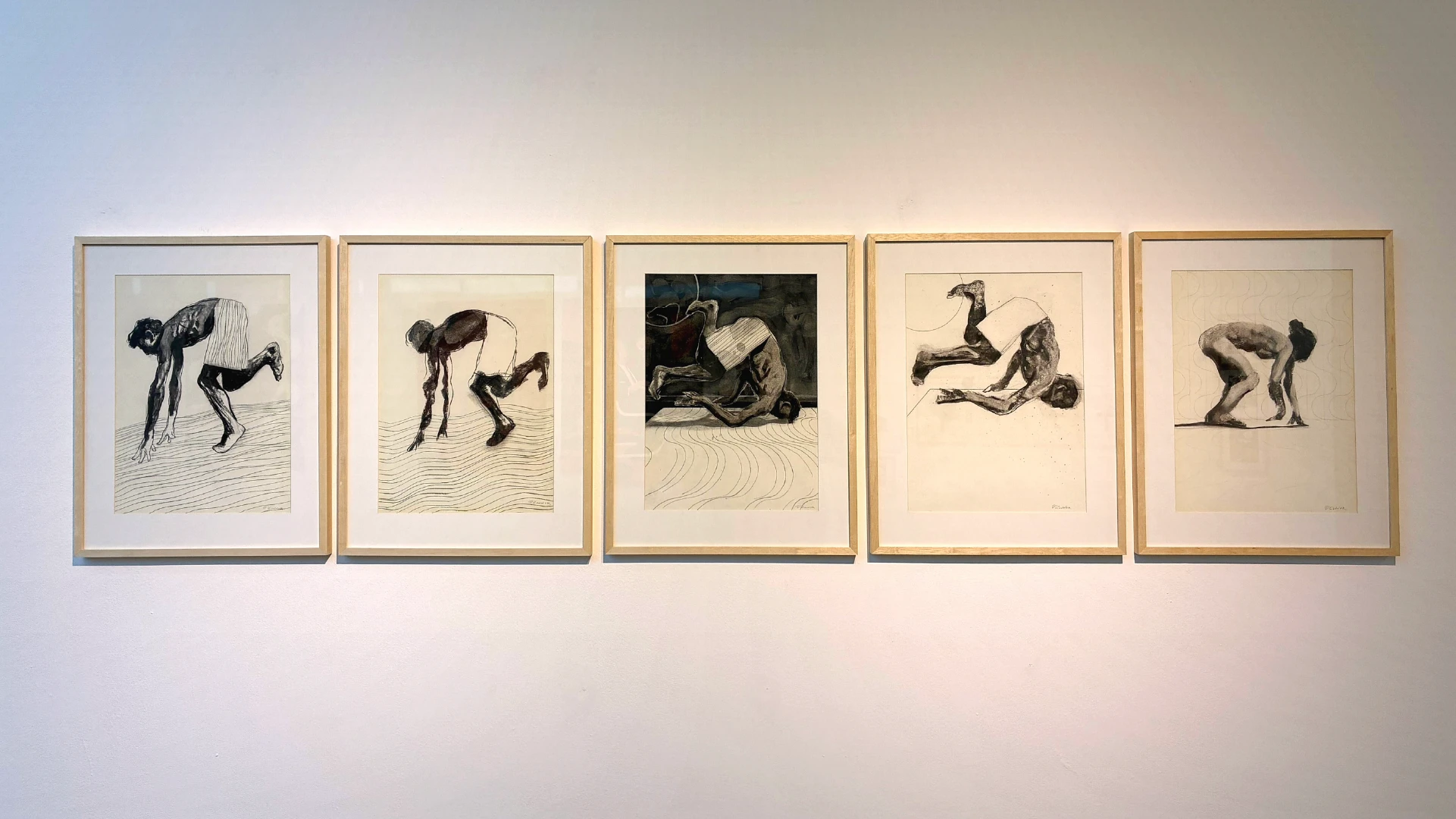
"I am interested in the figure as the trigger for a pictorial event that stands above description or academic correctness."
HOW DO YOU APPROACH STARTING A NEW WORK OR COLLECTION?
F.O.C
I generally start from a drawing. If the figure I am interested in finds a solution in the drawing, I move forward. What one would call a strategy in the strict sense, I do not have. The truth is I never feel I am doing something new. I feel more a continuity with what I have done before, as if I were trying to do it better, as if the elements I put into play in the previous painting were still alive and forced me to deal with them again and again.
OUTSIDE OF ART, WHAT HOBBIES OR ACTIVITIES DO YOU ENJOY?
F.O.C
I read a lot, I listen to music all the time, and I am very into film, but in reality I constantly draw from all of that, so it does not really count as an answer. Outside of what I do, I really enjoy playing ping pong.
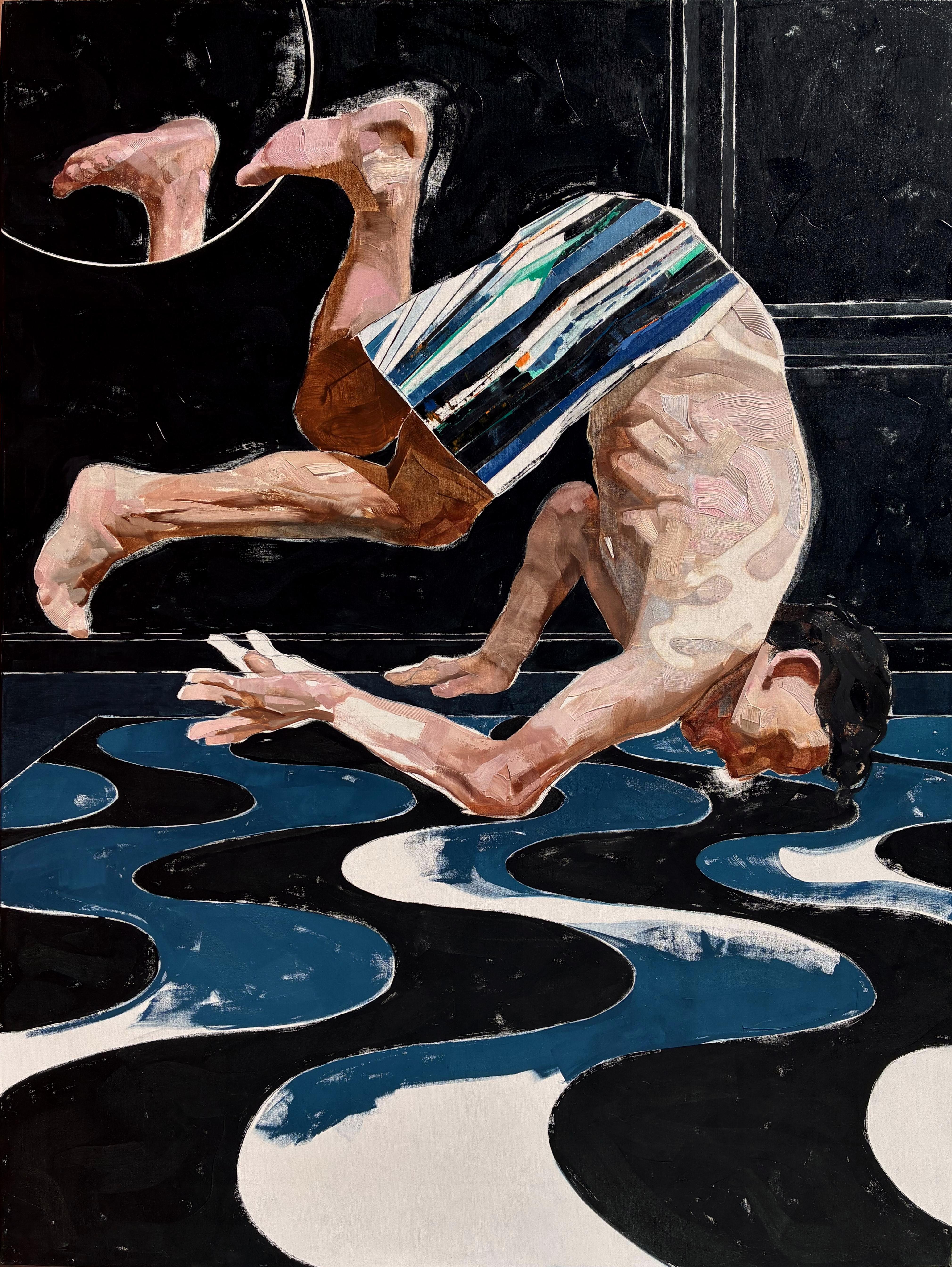
Any plans for this year? Are you currently working on any projects?
F.O.C
This coming April I will open La Fábula Humana in Buenos Aires. It is a series that was recently shown at Paseo del Buen Pastor in the city of Córdoba. I am especially excited because I have not had a solo exhibition in Buenos Aires for ten years. The exhibition will take place at Espacio Peces, a new venue in the Barracas neighborhood that is a remarkable space and is run by true art enthusiasts, which opens up real hope for the Buenos Aires scene. I am also working on a new series for a gallery in Barcelona in 2027.
WHAT ADVICE WOULD YOU GIVE TO SOMEONE WHO WANTS TO PURSUE ART OR IS JUST BEGINNING THEIR JOURNEY?
F.O.C
First, study. Find a serious and honest way to train, even if self-taught. Learn art history. Be careful with the mandates and disguises of the time. Losing sight of what led you to want to be an artist can be fatal. And be very patient.
Share