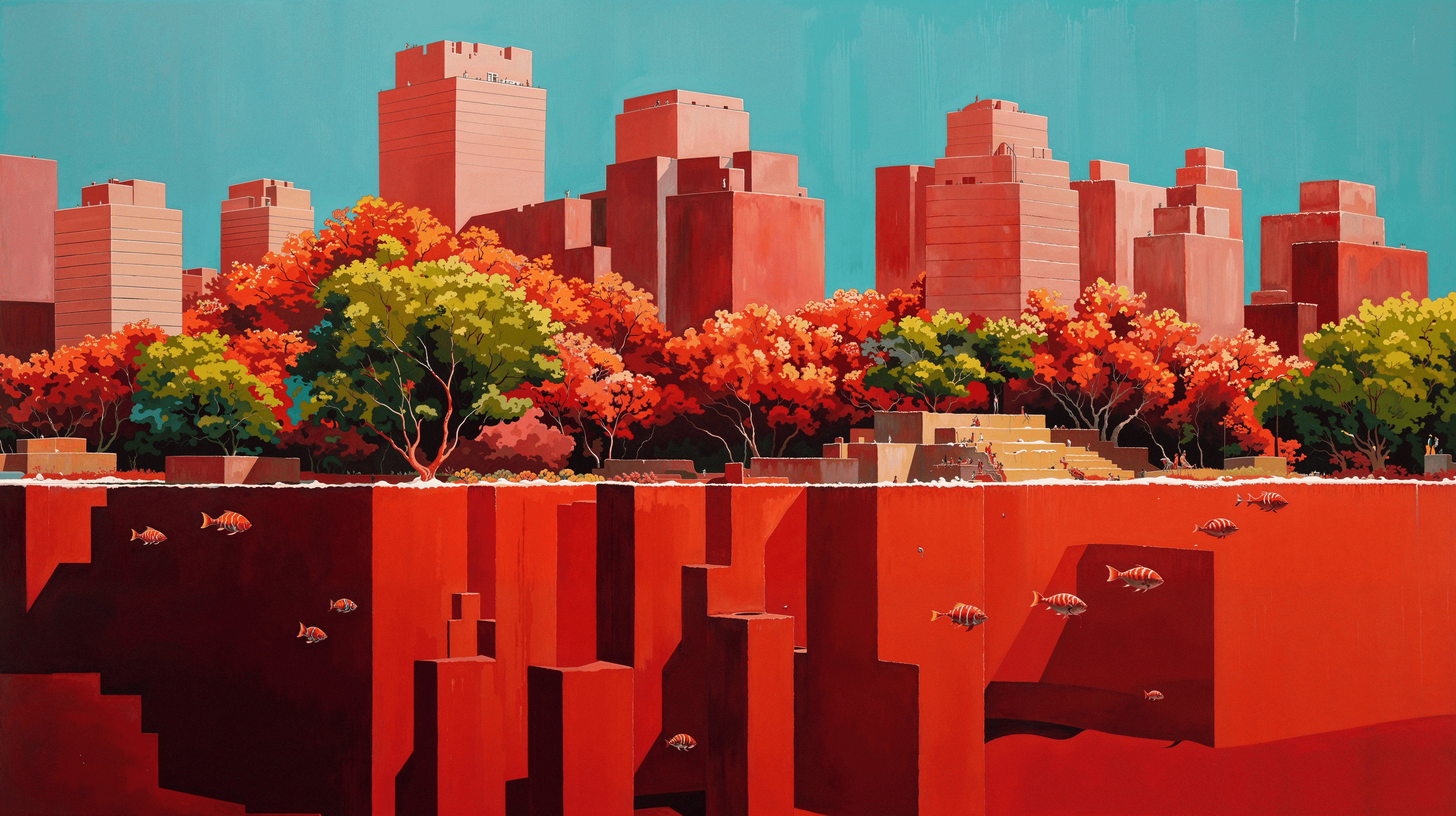
RedruM is an Italian digital artist working with generative AI with the aim of exploring the fragile architecture of the human psyche through surreal and emotionally charged imagery. Passionate about art since childhood, he was influenced by his father, an art collector. His inspiration comes not only from visual art but also from music, cinema, and literature.
After years working as a criminal lawyer, in 2022 RedruM decided to devote himself entirely to art, transforming what was once a hobby into his primary profession.
author
Luciana Trost
,
Ale Mottesi
Date
March 6, 2026
Web3
Experimental
AI
Share
WHAT DOES ART MEAN TO YOU?
RedRum
For me, art is a way to give form to what cannot be fully explained.It’s not about providing answers, but about creating spaces where contradiction, discomfort, and emotion can coexist. After years spent in a world governed by logic and resolution, art became a different kind of truth-seeking — one that accepts ambiguity as essential rather than problematic.Through my work, art functions as a mirror and a fracture at the same time: it reflects inner states, fears, and desires, while also distorting them, allowing hidden tensions to surface. It’s a process of externalizing what is usually suppressed — memory, conflict, vulnerability — and transforming it into something visually tangible. Ultimately, art is not an escape from reality for me. It’s a way to face it more honestly, without the need to simplify it.
HOW WOULD YOU DESCRIBE YOUR WORK?
R.R.
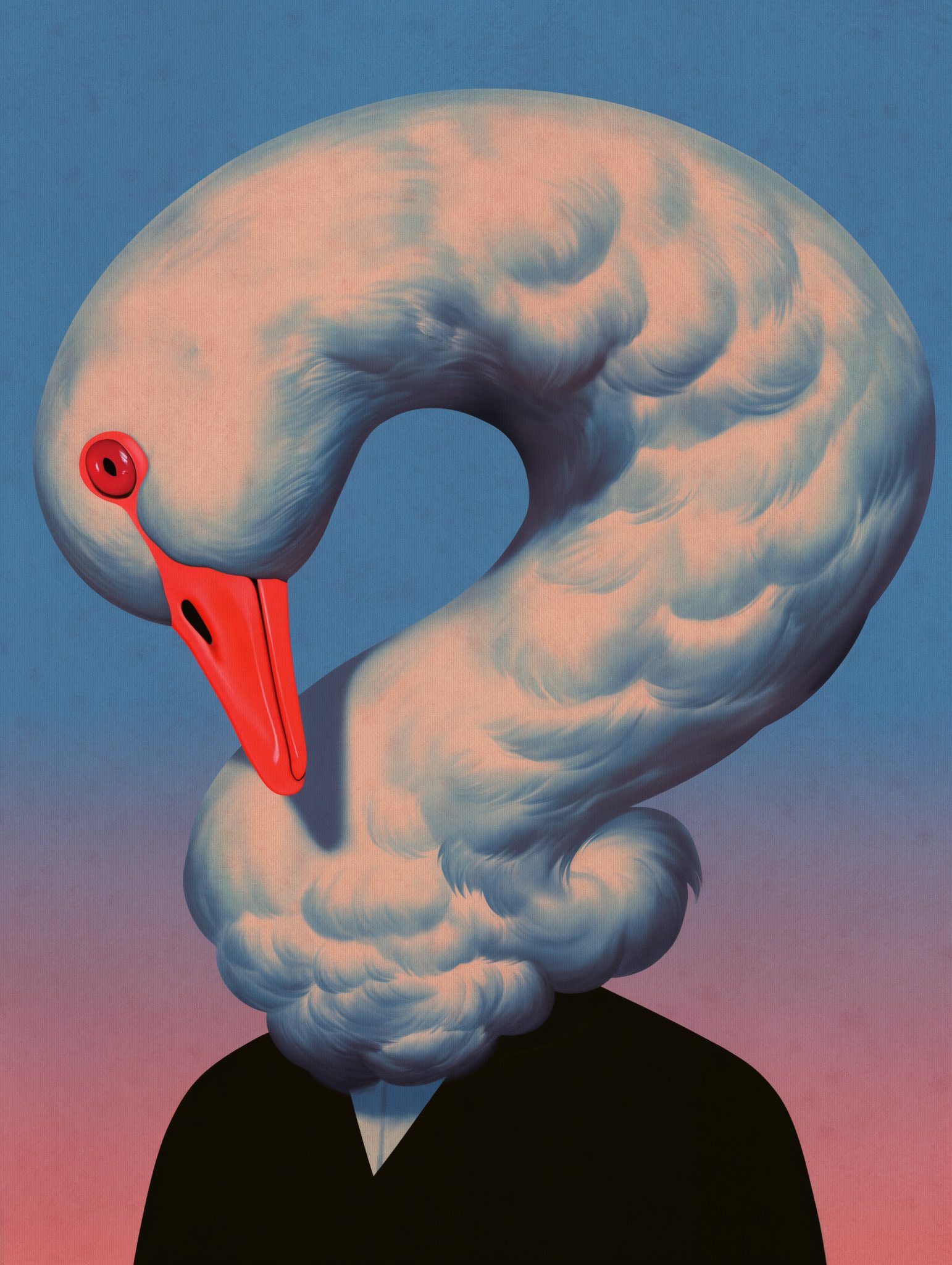
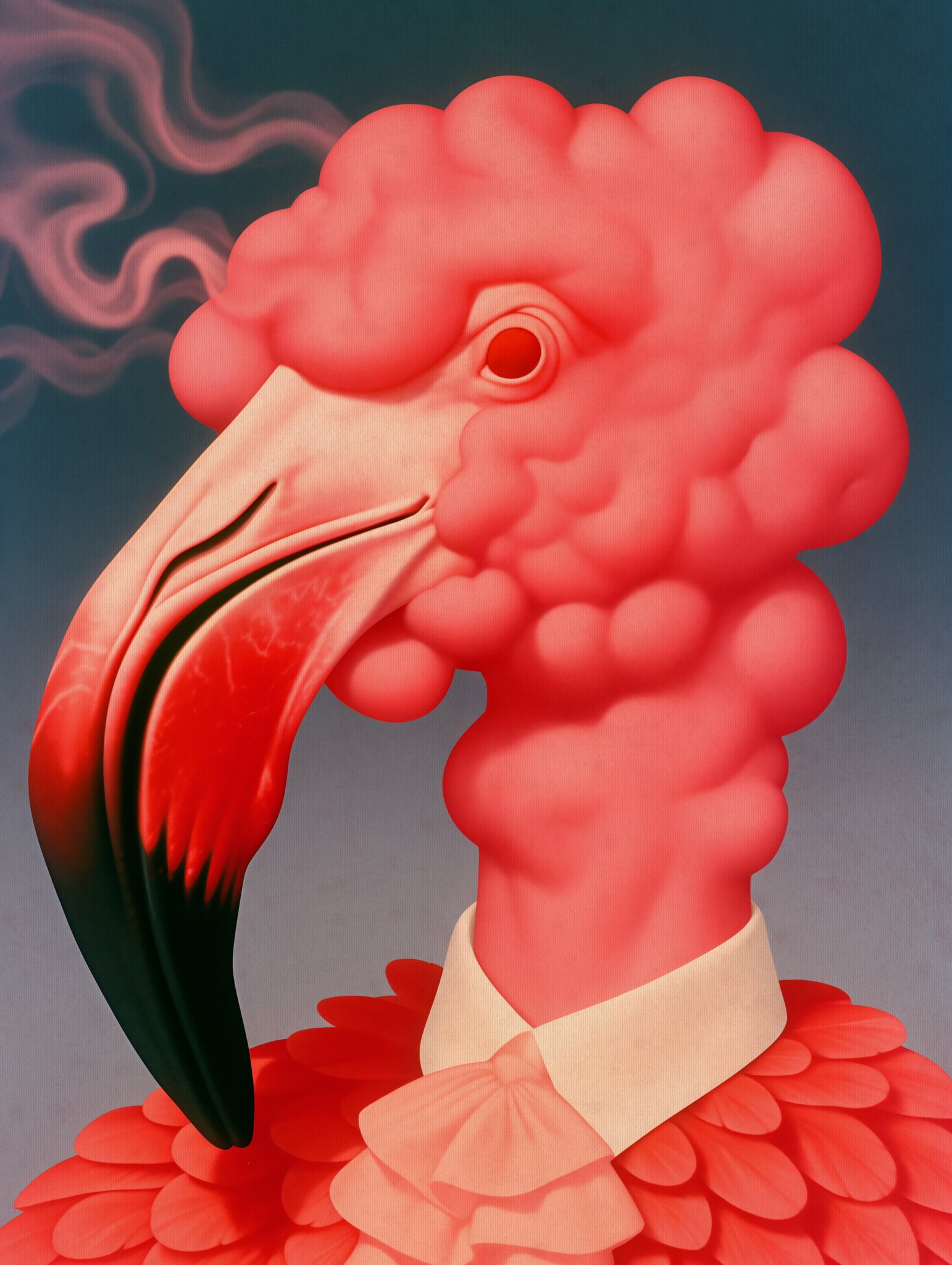
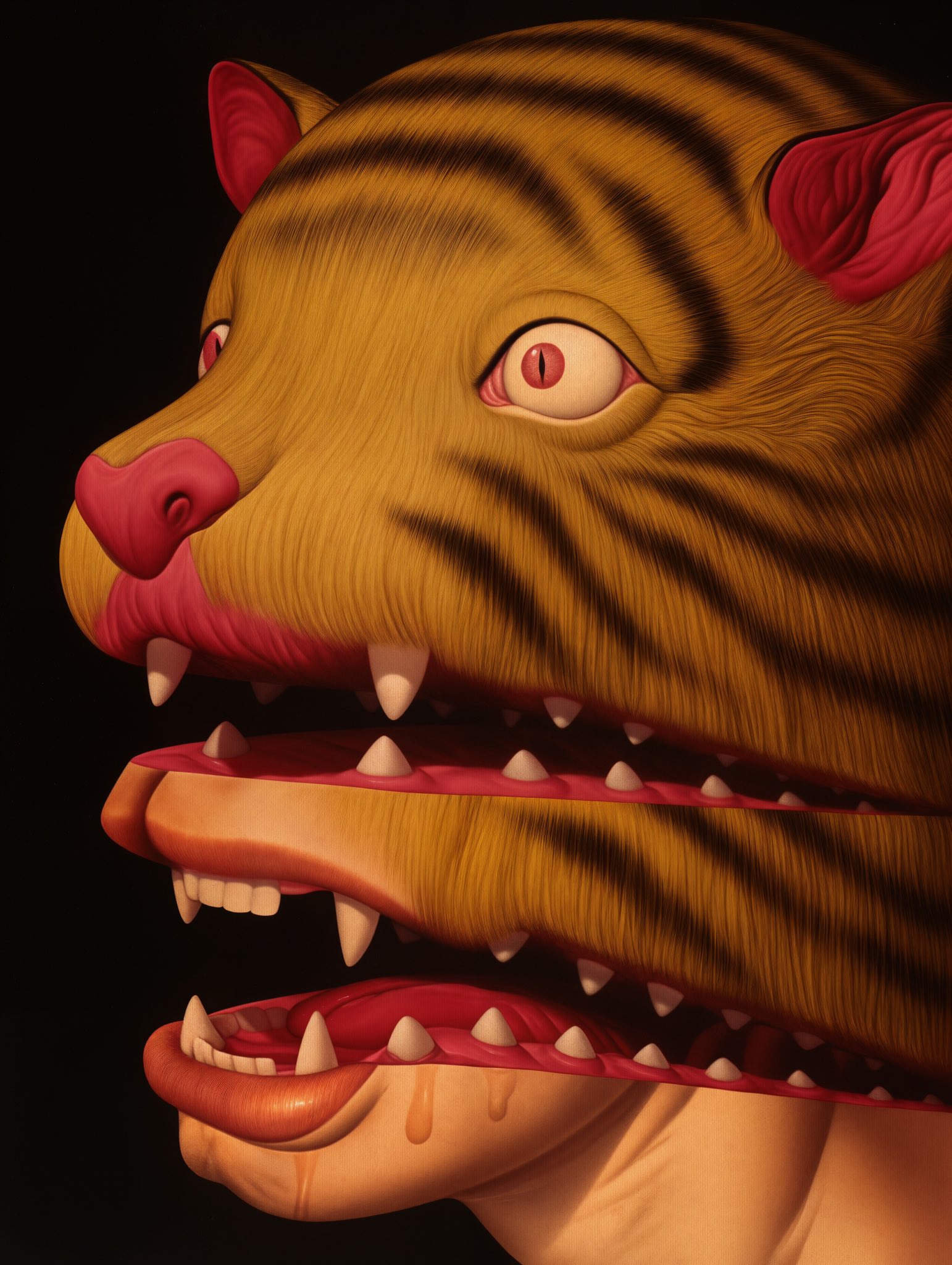
My work exists in a suspended space between dream and nightmare… between beauty and unease. I create surreal, emotionally charged images where distorted figures inhabit dreamlike environments. The aesthetic is often soft, desaturated, almost delicate — yet disrupted by tension, by rupture, by the recurring presence of red. Red is not just a color in my work; it’s a pulse. A signal of conflict, vitality, fracture. Visually, I’m drawn to uncertainty. Faces are altered, bodies are hybridized, identities feel unstable. But the distortion is never meant to shock for its own sake — it’s a way to reveal what is usually hidden. I’m interested in duality: innocence and corruption, control and chaos, tenderness and violence existing in the same frame.Having transitioned from a legal background into art, I approach image-making almost like constructing an argument — except here, contradictions are allowed to coexist. My pieces don’t aim to resolve tension; they hold it. If I had to describe it in a sentence: my work explores the fragile architecture of the human psyche through surreal, fragmented worlds where emotion becomes form.
When did you first connect with art?
R.R.
I first connected with art when I was still a child. My father used to take me with him to his trusted art gallery, as well as to various national art events. Those early experiences weren’t just occasional visits — they shaped the way I learned to look. I grew up observing artworks closely, absorbing atmospheres, listening to conversations about form, value, and vision. That is where I cultivated both my passion and my eye. Long before I started creating, I was training myself — unconsciously — to recognize what resonates and what doesn’t. Over time, that sensitivity evolved into what I consider one of the most fundamental skills in AI-driven art: taste. In a medium where tools are accessible to many, taste becomes the true differentiator. It’s the ability to select, refine, discard, and elevate. It’s not about generating images — it’s about recognizing when an image carries weight. For many years, I followed a structured path in law, working as a criminal lawyer in a world built on logic and resolution. But art remained a silent undercurrent. When I eventually shifted toward it fully, it didn’t feel like a sudden discovery — it felt like returning to something that had been forming since childhood.
What motivates you to create your works and to be creative?
R.R.
What motivates me to create? Everything and nothing at the same time. Creativity, for me, isn’t triggered by a single event or a specific goal. It’s a way of living and perceiving reality. I don’t separate life from creation — the two constantly overlap. Every situation, every tension, every fleeting image or emotion can become a spark.I feel a deep need to make ideas tangible. Thoughts that form in my mind — often abstract, fragmented, or emotionally charged — demand a visual body. They are stimulated by the most disparate situations life places in front of us: personal experiences, collective anxieties, beauty, conflict, silence, excess. Creating is my way of translating perception into form. It’s not about motivation in the traditional sense… it’s closer to necessity. When something resonates internally, I have the urge to give it structure, color, distortion, presence.In that sense, being creative isn’t something I “turn on”. It’s the lens through which I exist.
"(...) My work explores the fragile architecture of the human psyche through surreal, fragmented worlds where emotion becomes form."
WHAT TECHNIQUES DO YOU USE?
R.R.
I primarily use generative AI combined with digital post-production. The process starts with writing detailed prompts that define atmosphere, composition, and emotional tone. From there, I curate and refine the generated images, selecting what resonates most. I then work extensively in post-production — adjusting light, color grading, texture, and contrast — to shape the final piece and strengthen its emotional impact.
WHO ARE YOUR ARTISTIC INFLUENCES?
R.R.
There are many movements and artists that influence me. Several of them are Italian artists I admired as a child — even if my current aesthetic doesn’t visibly resemble their work, I know they shaped me on a subconscious and conceptual level. Certain ways of thinking about form, symbolism, and depth stayed with me.I’m also constantly influenced by the art I experience every day through the digital world. Being able to connect, exchange perspectives, and grow alongside so many talented contemporary artists is something that continuously expands my vision. My influences aren’t limited to painting. Music, cinema, and literature have all played a fundamental role in shaping my sensitivity. I’m deeply drawn to different cultures as well — especially Asian culture, alongside European and Italian traditions. I consume anime, manga, films, and series intensely; they feed my imagination and expand my visual vocabulary. Ultimately, I believe everything you absorb enriches your inner world. Every influence adds a layer, elevates your thinking, and refines your perception. What I try to do is transform all of that into something tangible — in a way that feels uniquely mine.
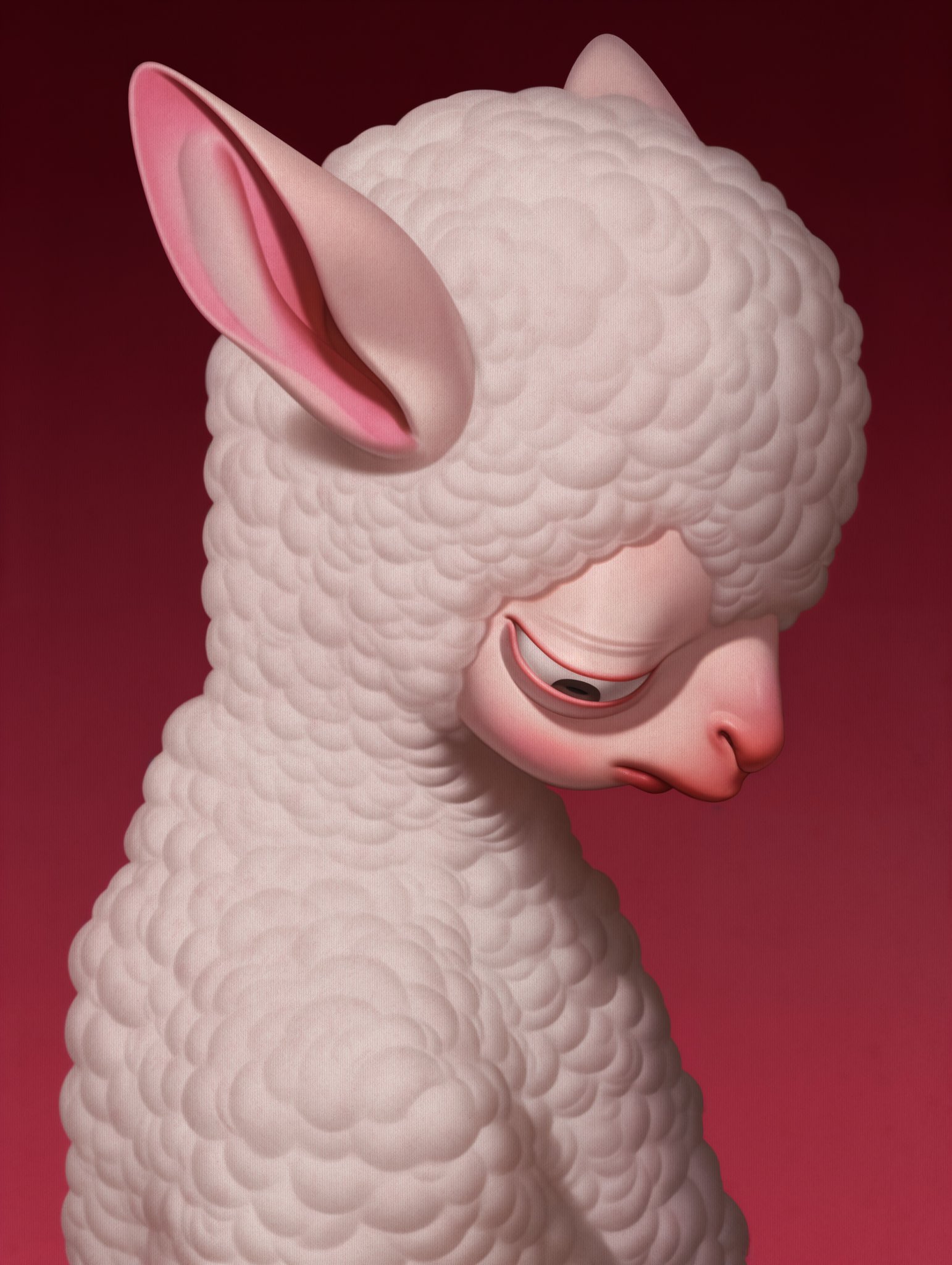
"(...)being creative isn’t something I 'turn on'. It’s the lens through which I exist."
HOW DO YOU APPROACH STARTING A NEW WORK OR COLLECTION?
R.R.
I usually begin with a feeling rather than an image. There’s often a tension, a concept, or a question that lingers in my mind. But it’s also essential for me to understand the message I want to convey or the story I want to tell — almost like a screenwriter shaping a narrative before it becomes visual. Even when the final result is symbolic or abstract, there is always an underlying storyline guiding the work. When developing a collection, I look for an internal spine — a unifying idea strong enough to hold multiple pieces together without making them repetitive. Each work should feel autonomous, yet part of a broader narrative.From there, I move into research and experimentation. I write, test visual directions, explore color relationships, textures, and symbolic elements. It’s a phase of expansion — generating possibilities freely.Then comes reduction. I refine what resonates most, remove what feels unnecessary, and define a coherent visual language. I think about rhythm — how the pieces speak to one another, how tension builds, how the narrative evolves across the series.In short, I start with emotion and message, expand through exploration, and then sculpt the final direction through clarity and cohesion.
OUTSIDE OF ART, WHAT HOBBIES OR ACTIVITIES DO YOU ENJOY?
R.R.
Before 2022, art was my hobby and I worked professionally as a criminal lawyer. Now, with a bit of irony, we could say the roles have reversed — law has become almost a hobby, and art is my profession. I consider myself part of that fortunate group of people who manage to live from their passion. Beyond art itself, I have many interests that constantly feed my curiosity. As I mentioned when speaking about influences, I’m deeply into cinema, music, anime, and manga. I’m also passionate about fashion, design, and interior spaces — I’m fascinated by how aesthetics shape the way we experience the world. Recently, I’ve developed a strong interest in plants as well; there’s something profoundly inspiring about caring for living forms and observing their growth. I’m always searching for fields that stimulate me, and within them, I look for beauty and knowledge. In a way, I believe everything — if approached with the right perspective — can be art.And that, ultimately, is my hobby.
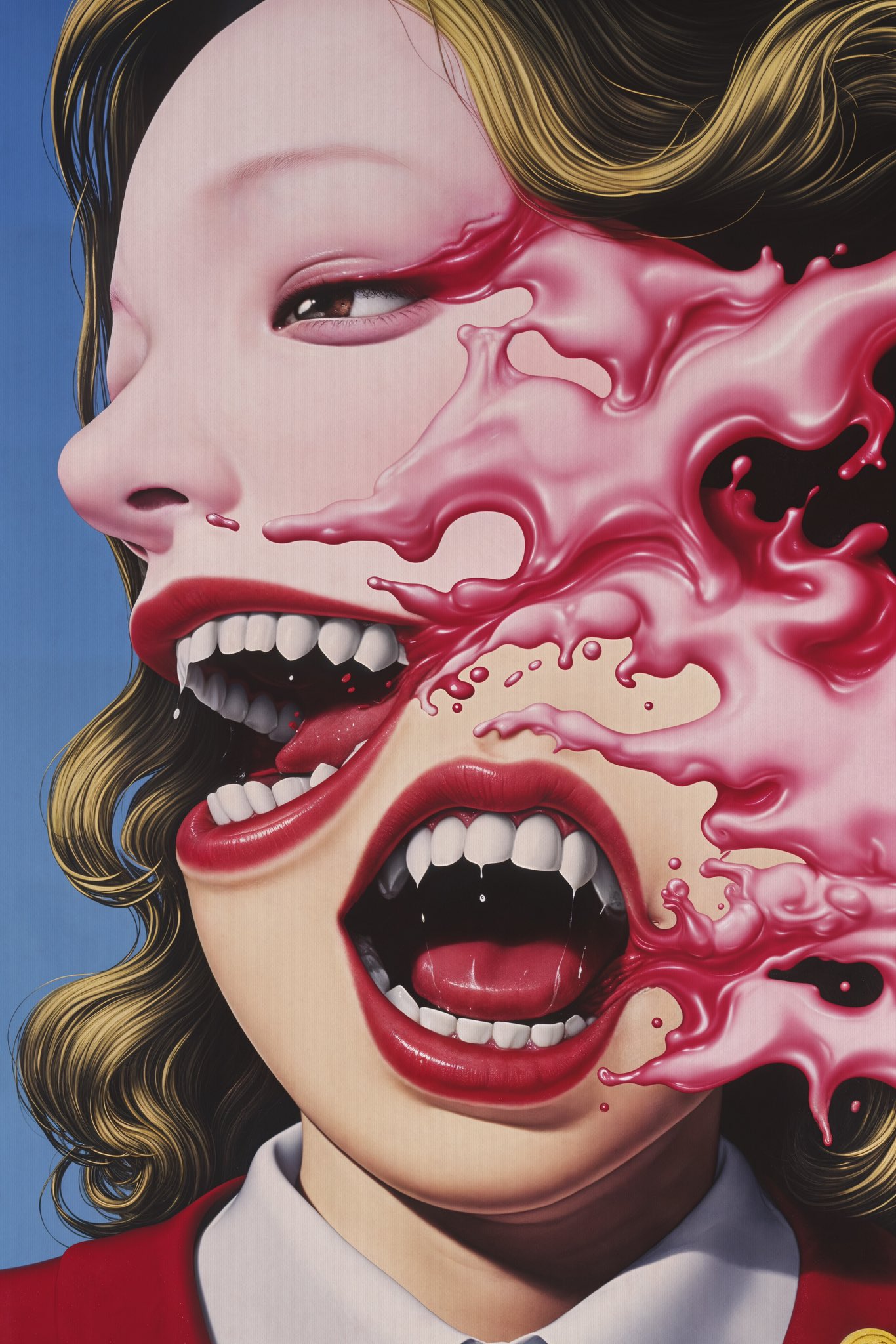
Any plans for this year? Are you currently working on any projects?
R.R.
At the moment, I’m working on several collections driven purely by experimentation — projects where I allow myself to explore and push my aesthetic into new territories. They’re spaces of research, where I test limits and discover unexpected directions.Alongside these, I’m finalizing two major projects in the digital art space that I’m particularly proud of. They represent an important step for me, both conceptually and visually, and they will be revealed in the coming months.At the same time, I’m actively trying to expand into the more traditional contemporary art world — building connections with galleries, participating in physical exhibitions, and exploring collaborations with brands. I’m interested in strengthening the dialogue between digital and physical spaces, allowing my work to exist beyond the screen. So this year is very much about evolution — experimenting, consolidating, and opening new doors.
WHAT ADVICE WOULD YOU GIVE TO SOMEONE WHO WANTS TO PURSUE ART OR IS JUST BEGINNING THEIR JOURNEY?
R.R.
I would say: focus on building your eye before building your output.
Learn to observe deeply. Study what moves you and, more importantly, ask yourself why it moves you. Taste is something you refine over time — and it becomes your compass when trends shift or tools evolve.
Have hunger — for knowledge, for improvement, for growth. Never feel like you’ve “arrived.” The moment you think you’ve reached the destination, you stop evolving. Give 100% in every opportunity, even when no one is watching. Discipline and consistency compound over time.
Don’t rush to imitate what is working for others. Experiment, fail, adjust. Your first works won’t define you — but the process of making them will shape you. Follow yourself. Some people find their voice quickly, others take longer — but if the language you bring into the world is authentic and personal, you will find your audience.
Expose yourself to as much culture as possible — not only visual art, but music, cinema, literature, design, different cultures. Everything you absorb becomes part of your vocabulary.
And finally: be patient. Art is not only about talent — it’s about endurance. If creating feels like something you need to do, keep going. Over time, clarity comes.
Share