Federico Yankelevich, Los grandes mitos universales…
Courtesy of the artist.
Illustration as a Proposal for a New Semantics
Editorial
Contemporary
We explore the work of Federico Yankelevich and analyze how he proposes a re-signification of familiar faces and everyday objects through illustration.
author
Luciana Trost
Date
February 17, 2026
Share
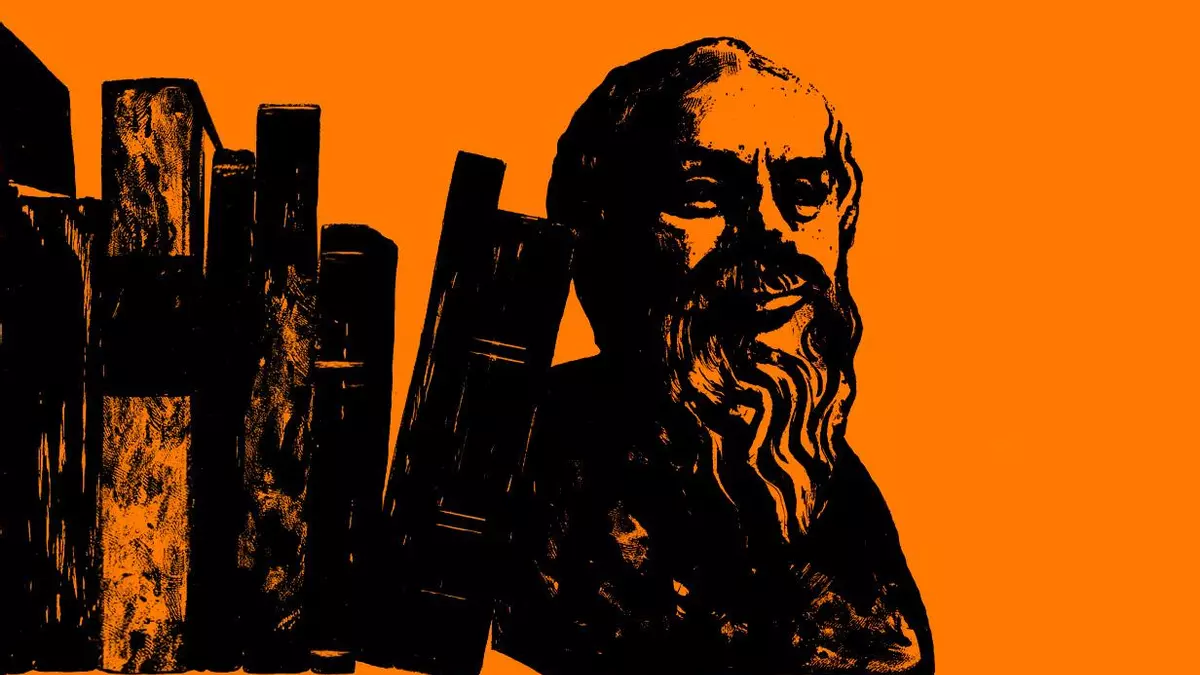
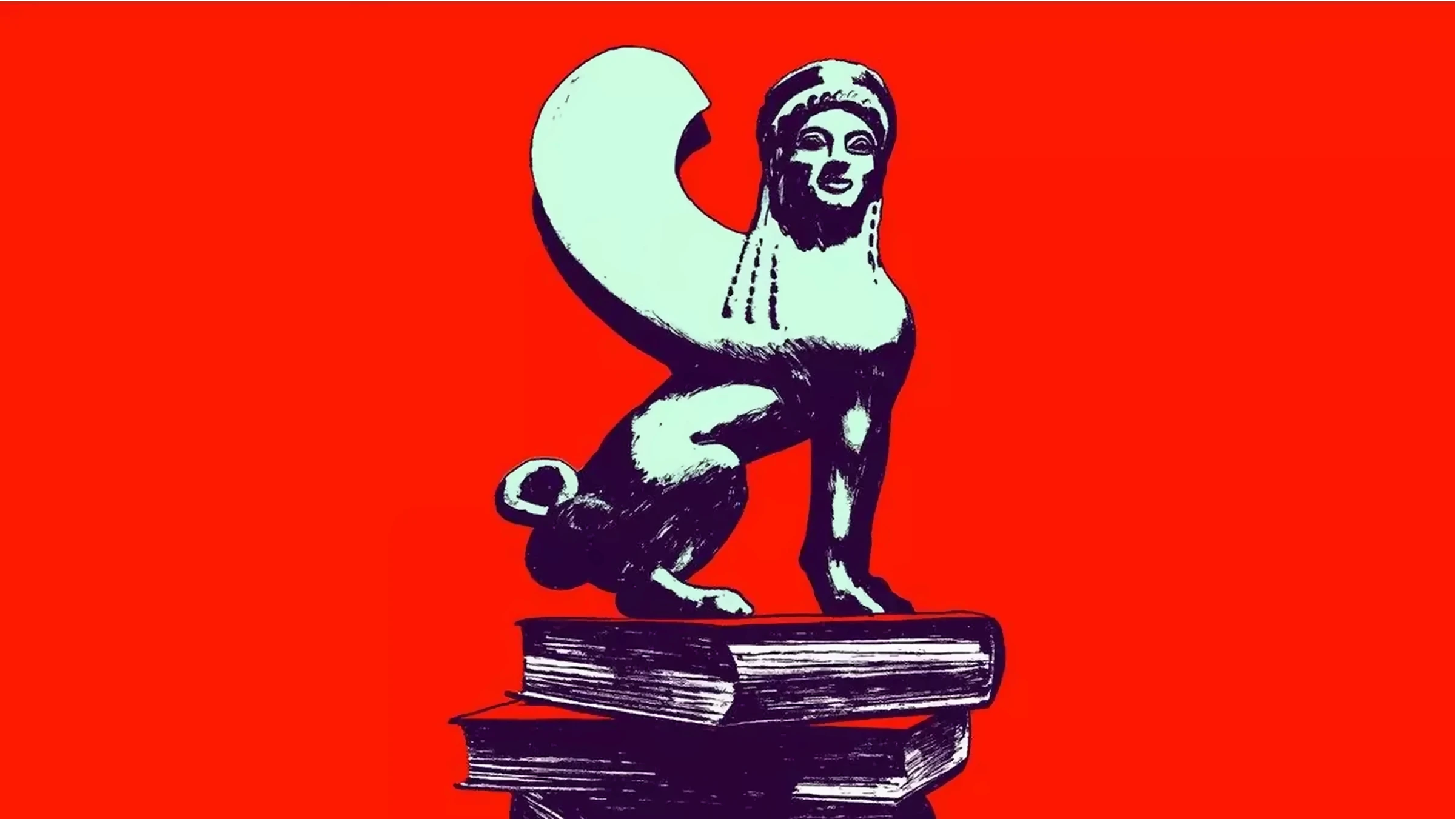
Federico Yankelevich, ¿Cómo hay que vivir? La respuesta está en los clásicos. Courtesy of the artist.
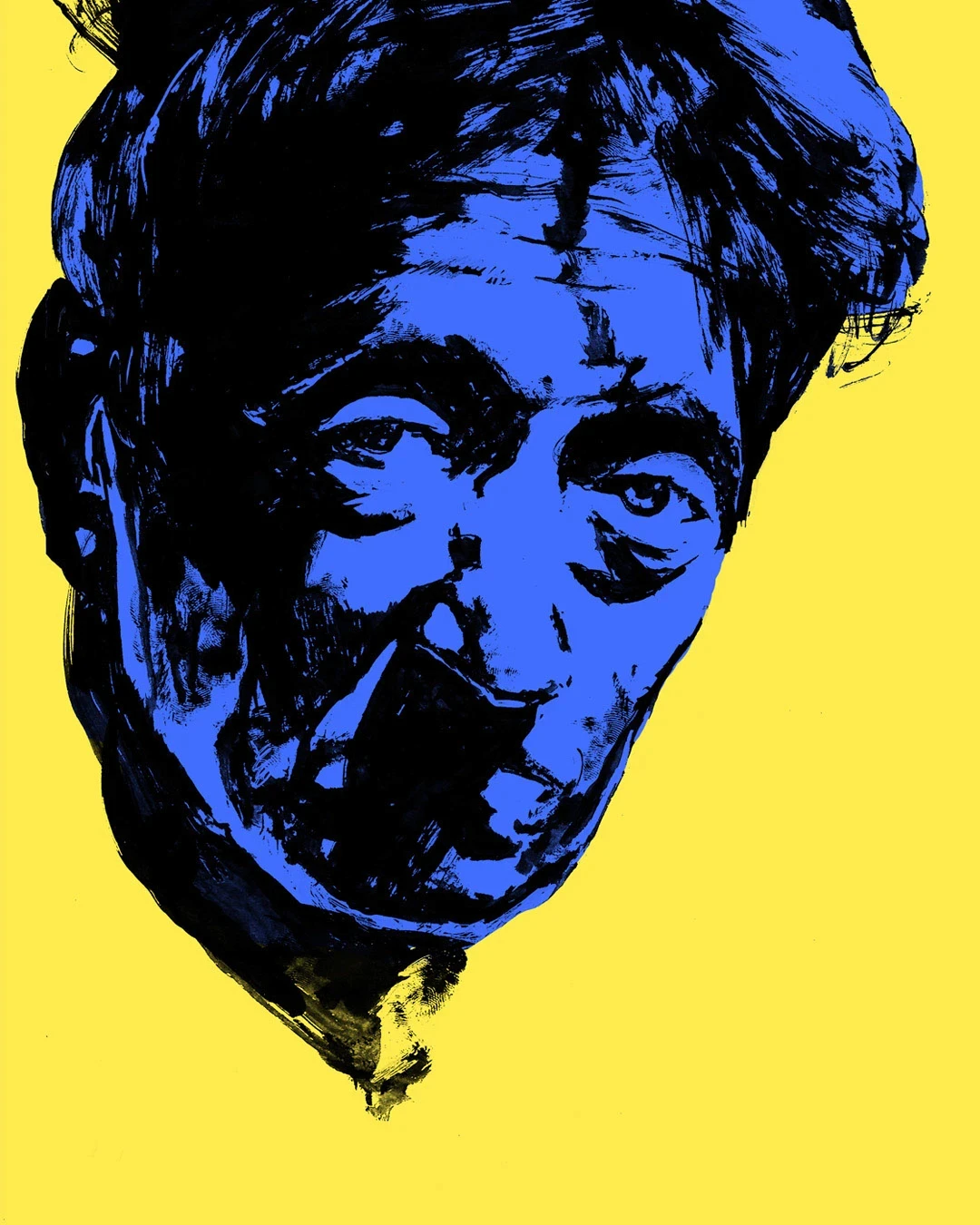
Federico Yankelevich, Buenas noches Quique San Francisco. Courtesy of the artist.
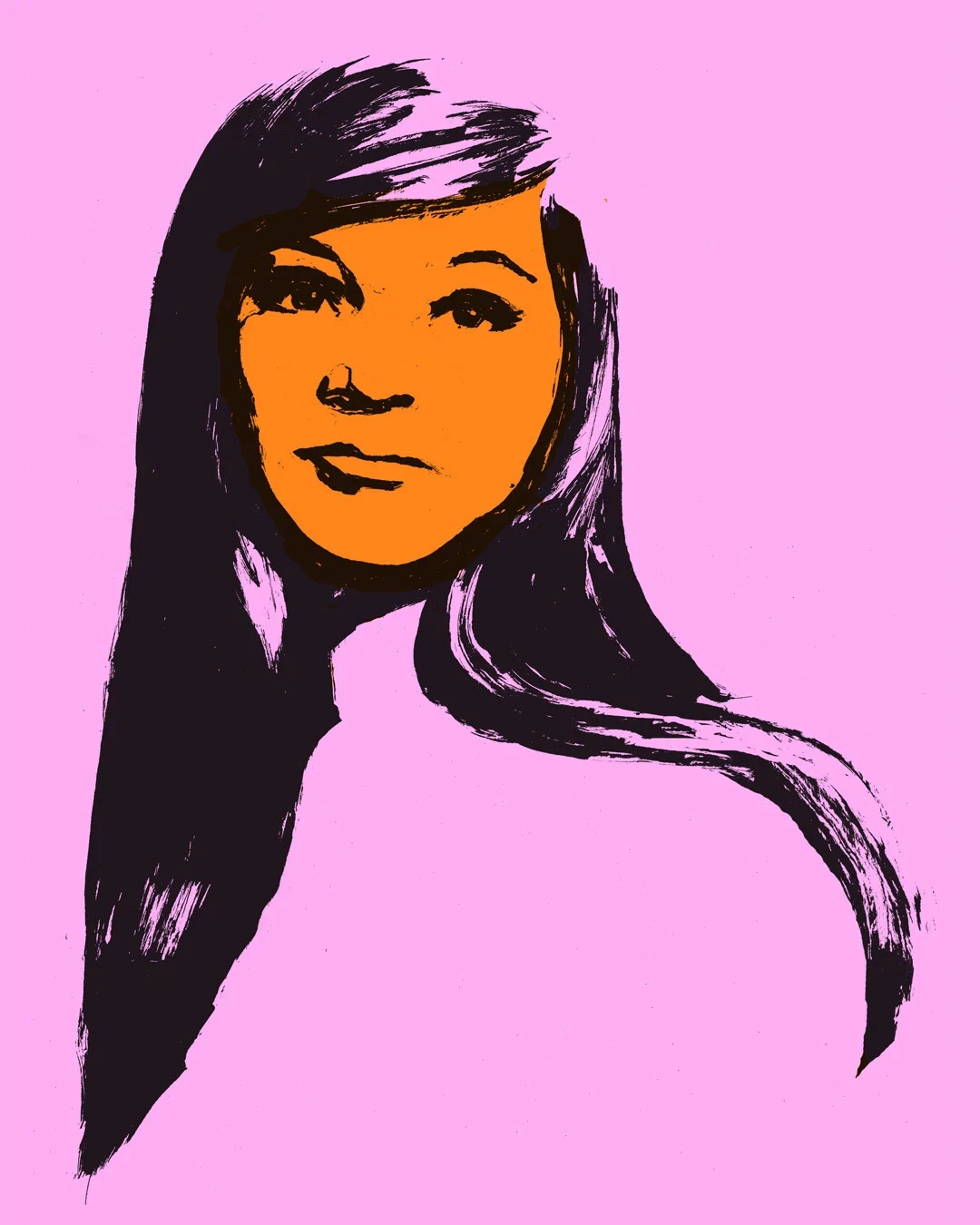
Federico Yankelevich, Mary Weiss DEP.
Courtesy of the artist.
From illustrating news for leading newspapers such as The Washington Post, El País, and Die Zeit, or magazines like The New Yorker and Der Spiegel, to creating book covers for renowned writers such as Truman Capote, Juan Carlos Onetti, Ernest Hemingway, and John Cheever. From finding inspiration in a current news item to illustrating a poster for a musical band or a cultural event, Federico Yankelevich’s work is so diverse and versatile that defining it by a single artistic style or aesthetic would be impossible and even limiting.
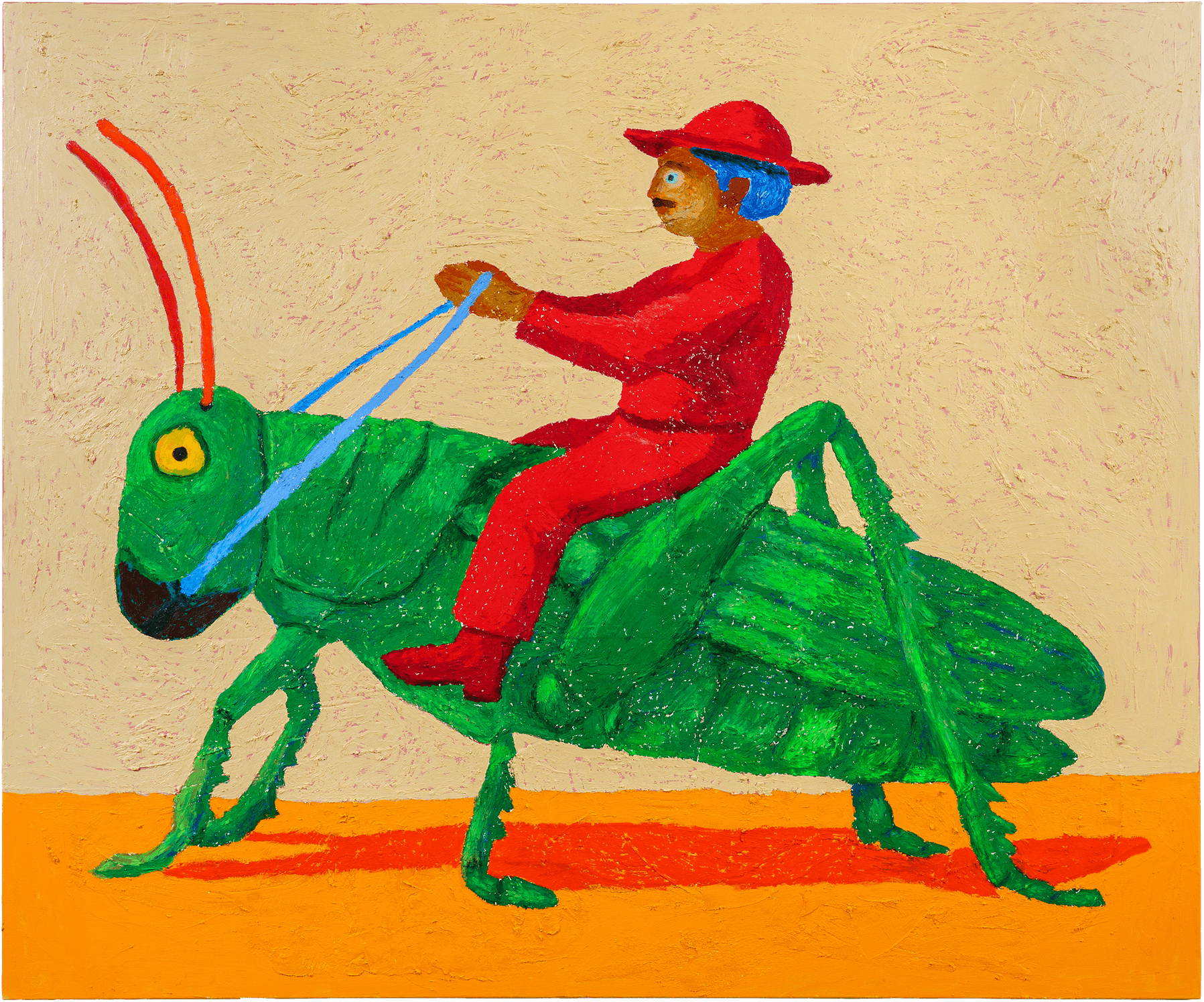
Nevertheless, we can sense and perceive a certain continuity, a recurring style that seems to be the distinctive mark of Fede Yankelevich. It is an imprint, a guiding thread rooted in the pop art of the 1950s and 1960s, evident in portraits of iconic images or celebrities removed from their natural or canonical context, as well as in the use of everyday images also taken out of their original context and endowed with a new meaning or even transformed into images with a meta-meaning through the artist’s intervention. This displacement of images from their place of belonging invites the viewer to deconstruct normalized narratives, to reflect, and to turn back on oneself in order to obtain another reading of our present and our contemporaneity.
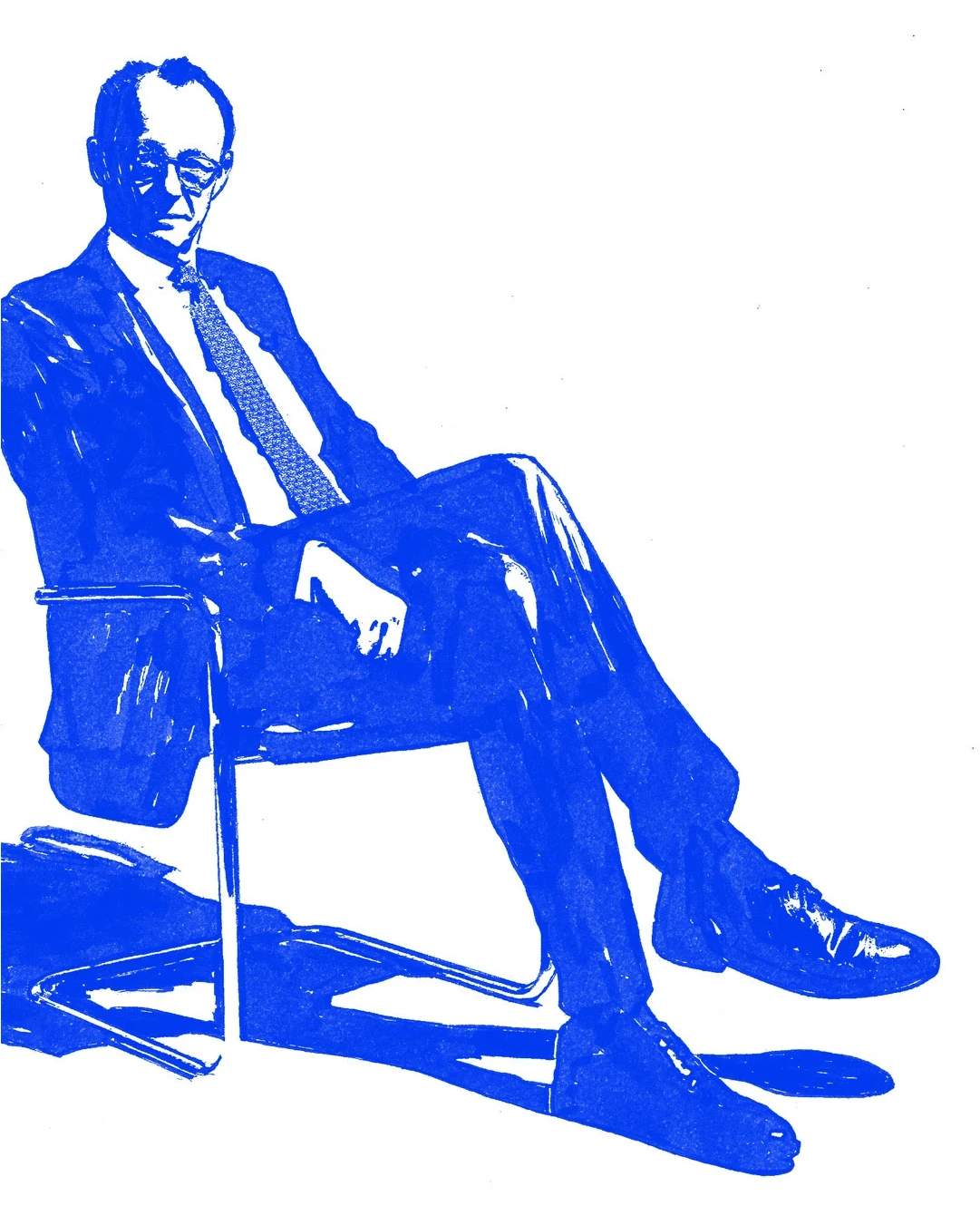
Federico Yankelevich, "So macht er sich mit der Macht”. Courtesy of the artist.
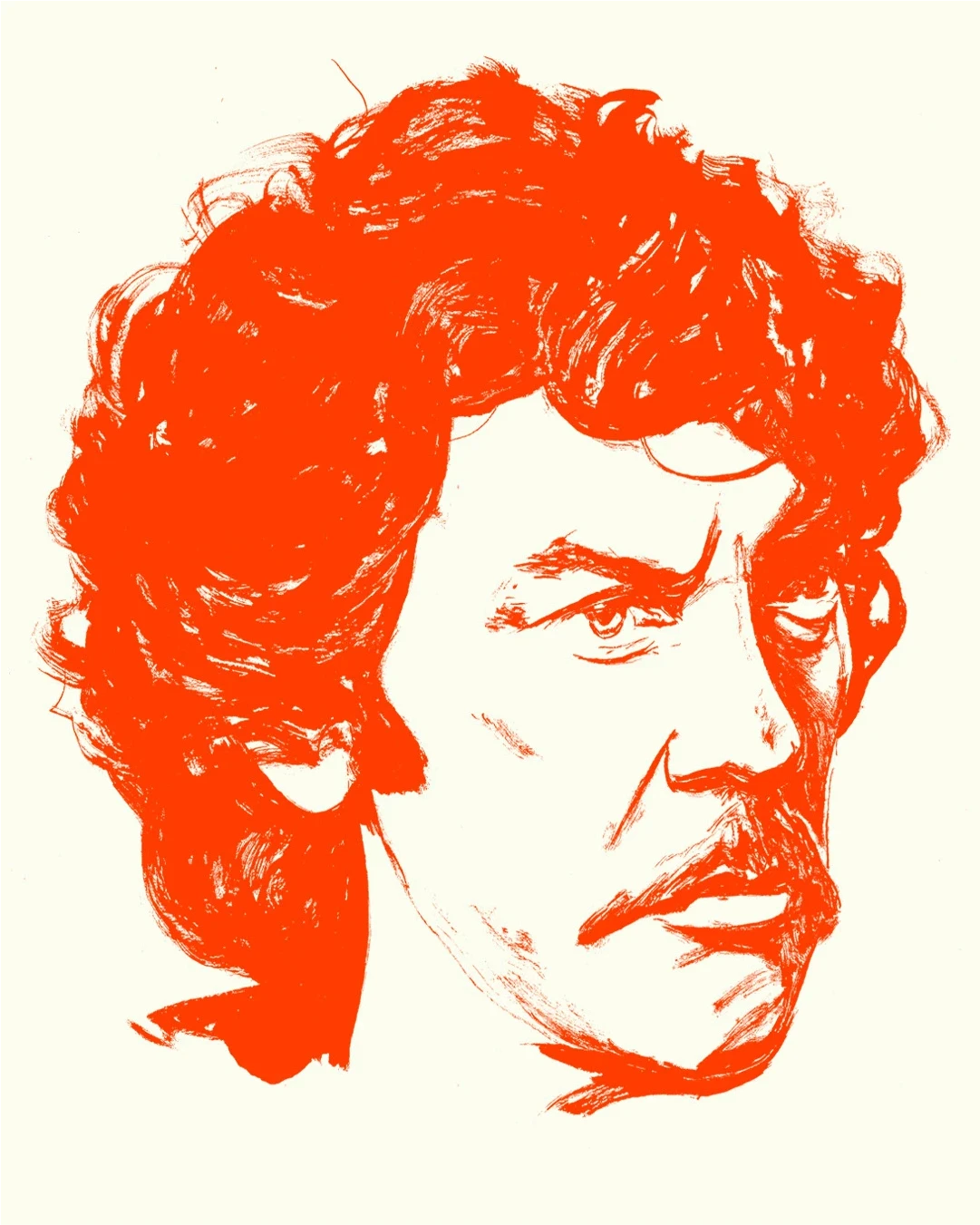
Federico Yankelevich, Donald Sutherland.
Courtesy of the artist.
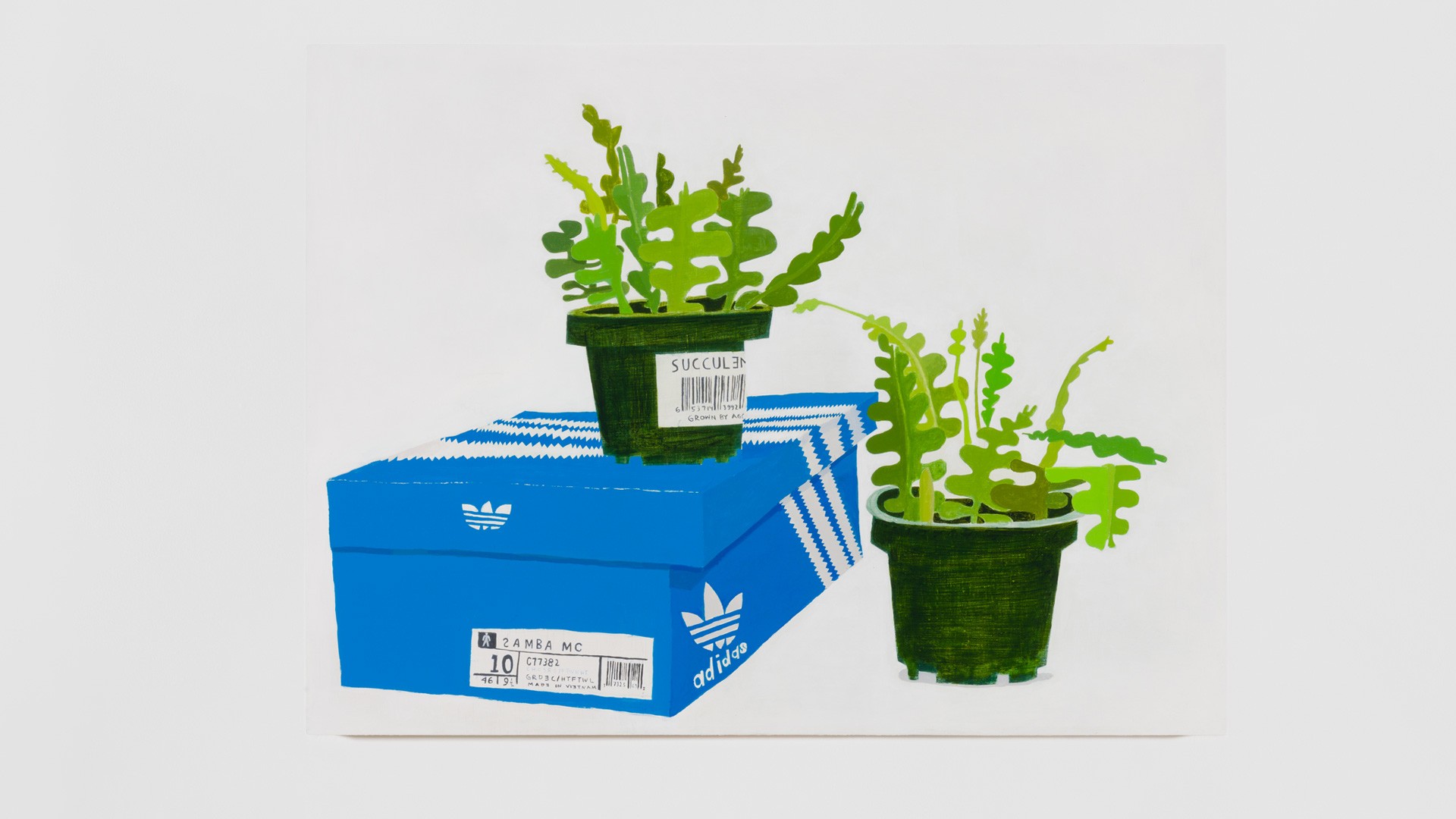
In The Transfiguration of the Commonplace: A Philosophy of Art (1981), Arthur C. Danto argues that a work of art differs from other objects, banal and everyday ones, when, despite having the same physical qualities, they are transfigured. Although Yankelevich does not represent everyday objects in their original materiality as ready-made art proposed, we believe that he does generate this transfiguration of what we understand as banal objects in order to produce a new semantics, another message, a reflection, an allegory toward another way of thinking. Thus, a typewriter becomes what appears to be the trigger of a gun, the handle of a shopping bag turns into a somewhat forced smile, a Halloween pumpkin displays the symbol of radioactivity instead of the typical evil face, and the silhouette of a man is portrayed inside a shopping cart.
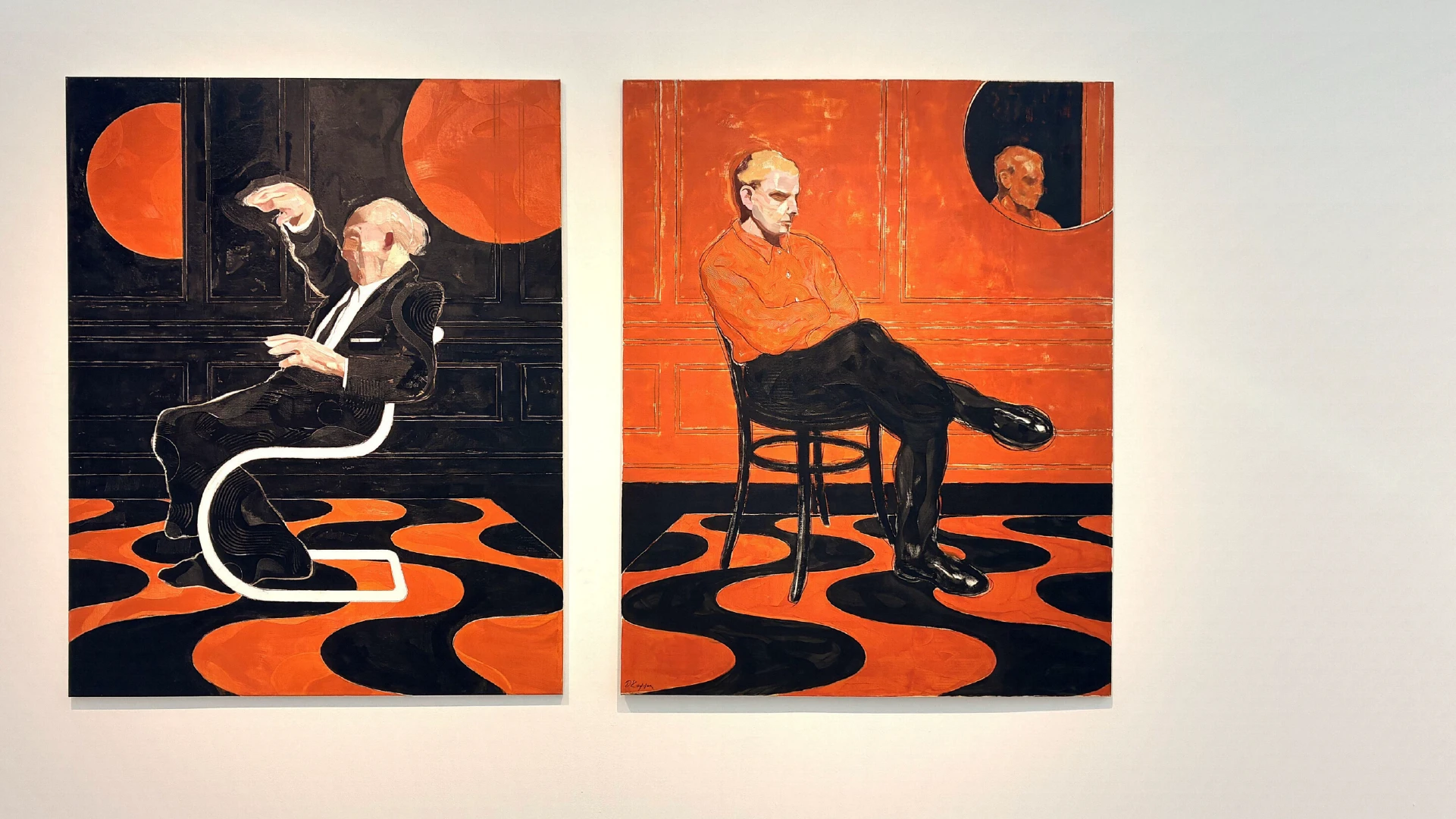
Within the versatility Yankelevich offers, it is also important to recognize a hint of abstract art, perhaps something close to Impressionism, as a way of situating it within an artistic movement without intending to label it. We therefore find works that tend to differ from the more figurative ones: portraits of faces not defined but rather suggested through brushstrokes that emphasize contours and certain features, smoky landscapes, nocturnal scenes, wooded settings, or even scenarios that seem dystopian. All of them are rendered in more ocher tones, using acrylics or oils, or in blacks characteristic of India ink, his faithful ally.
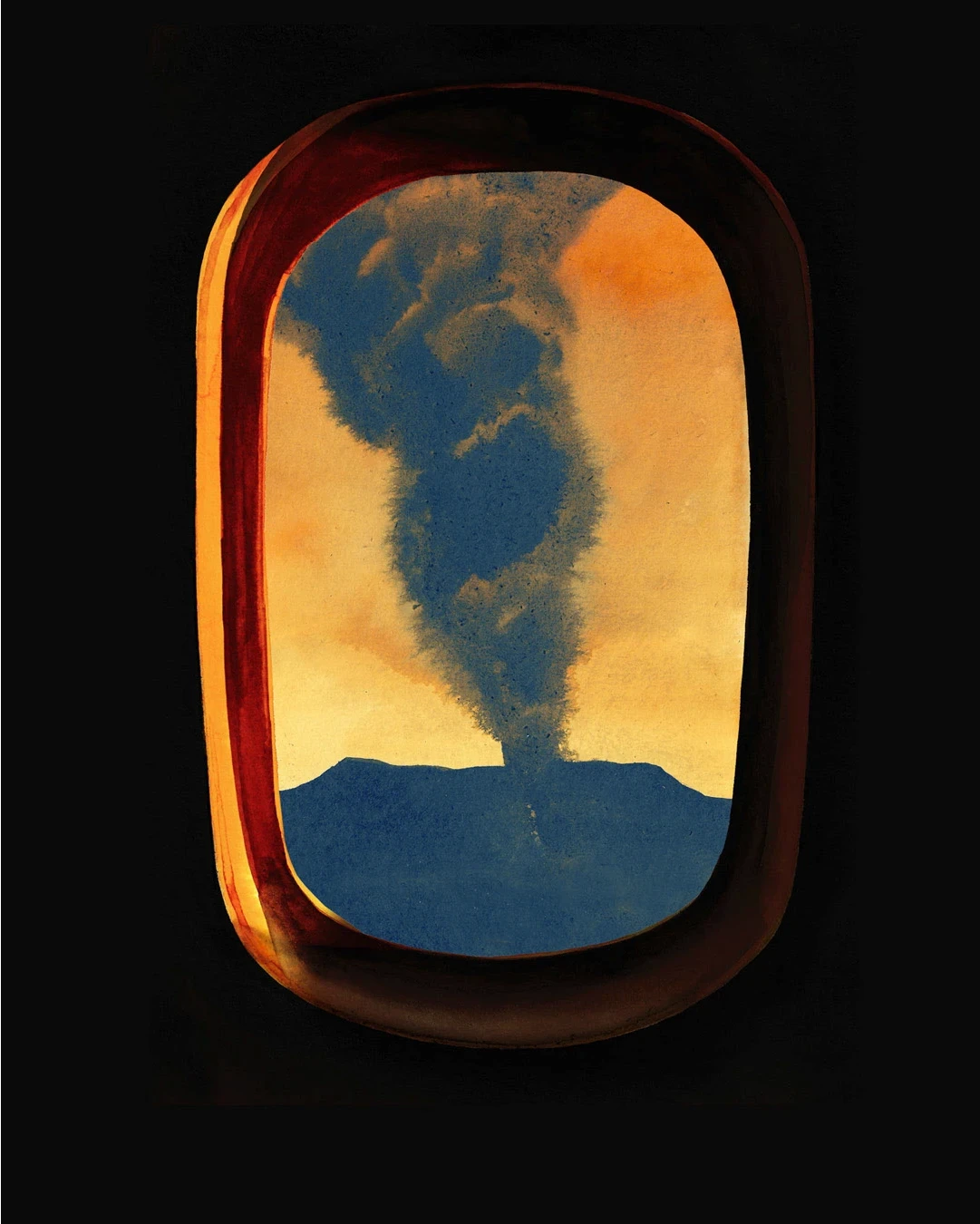
Federico Yankelevich, The Baffler "The Deported".
Courtesy of the artist.
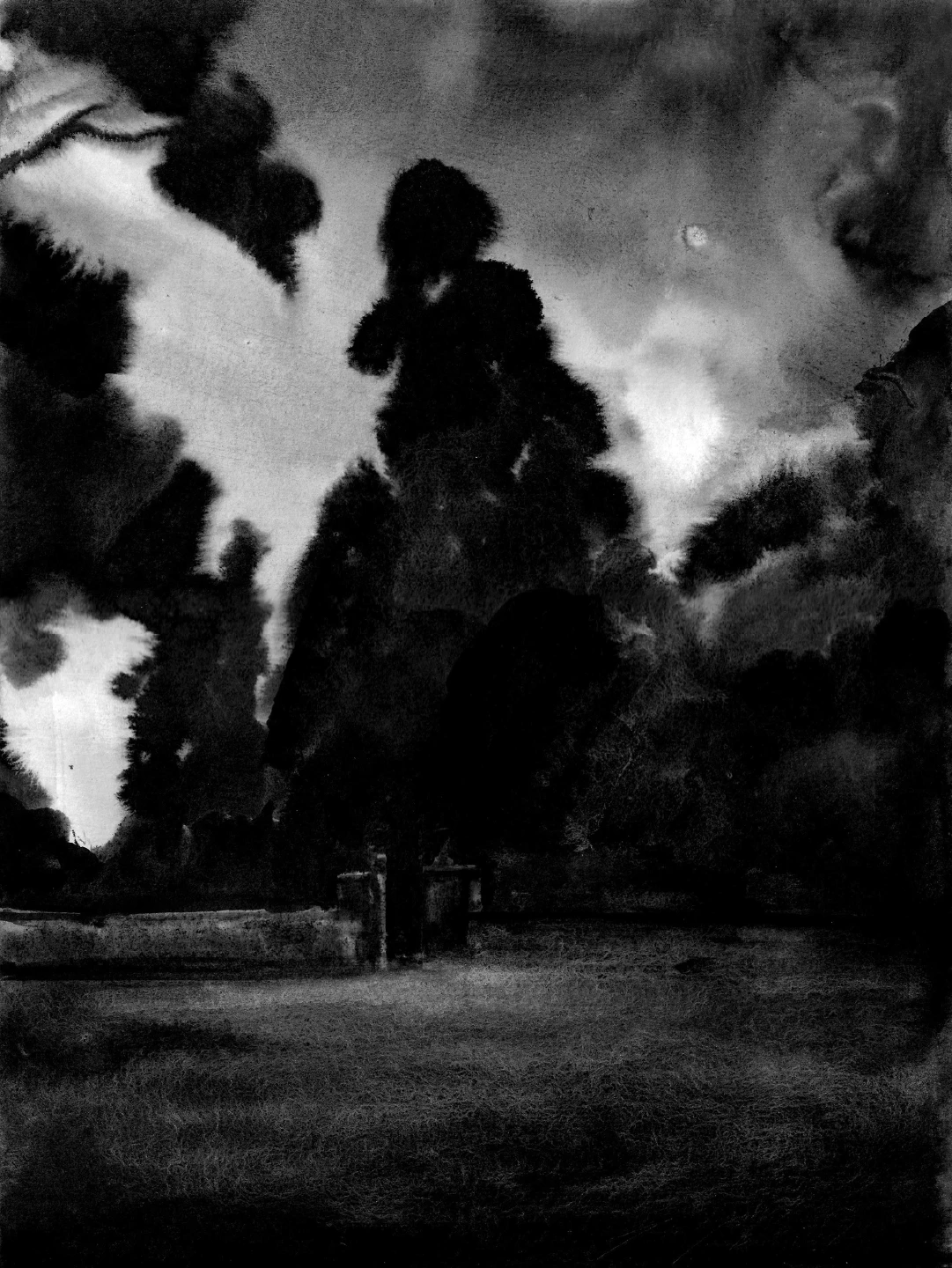
Federico Yankelevich, Nocturnos “La casita de abajo”. Courtesy of the artist.
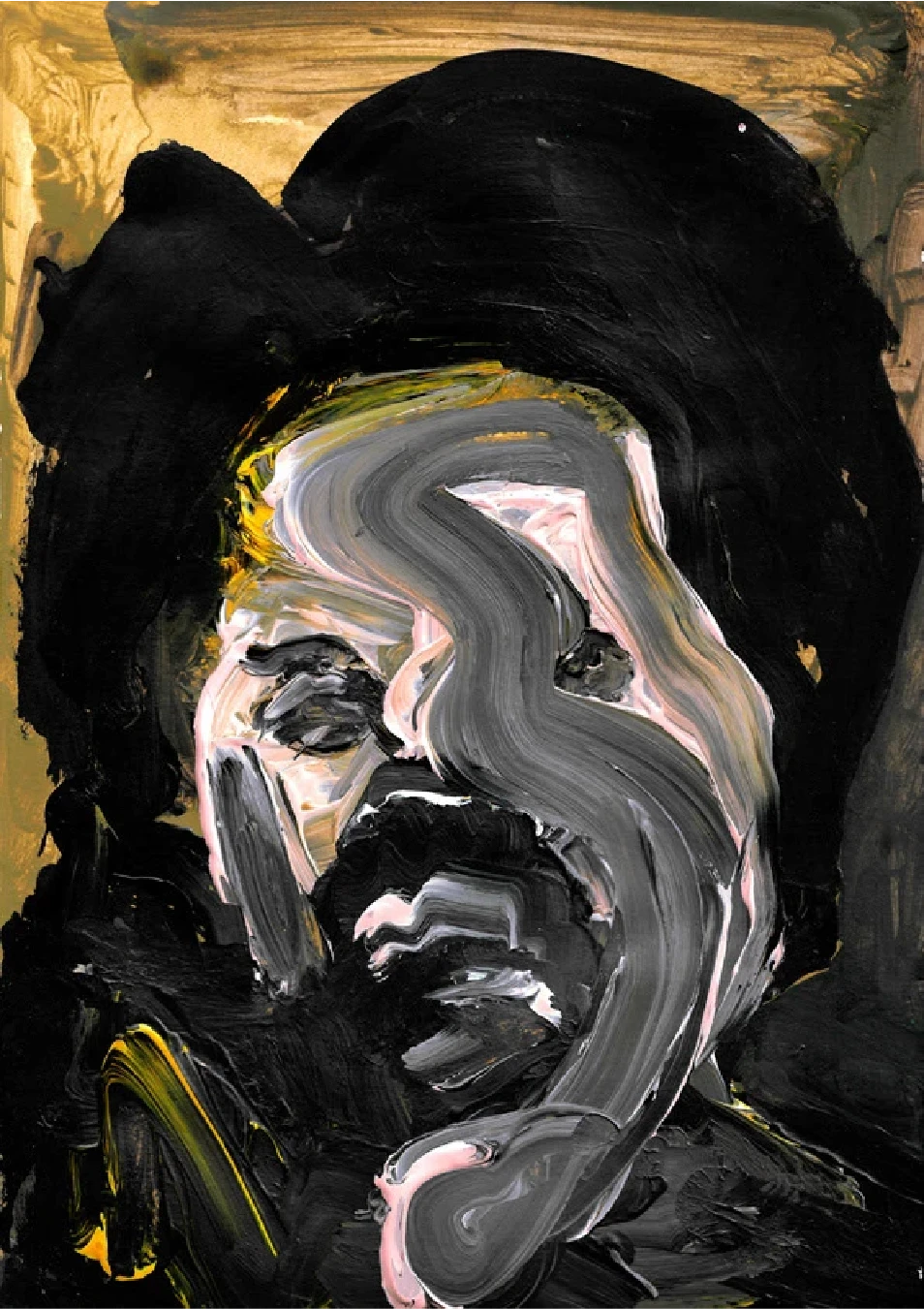
Federico Yankelevich. Glenn Branca.
Courtesy of the artist.
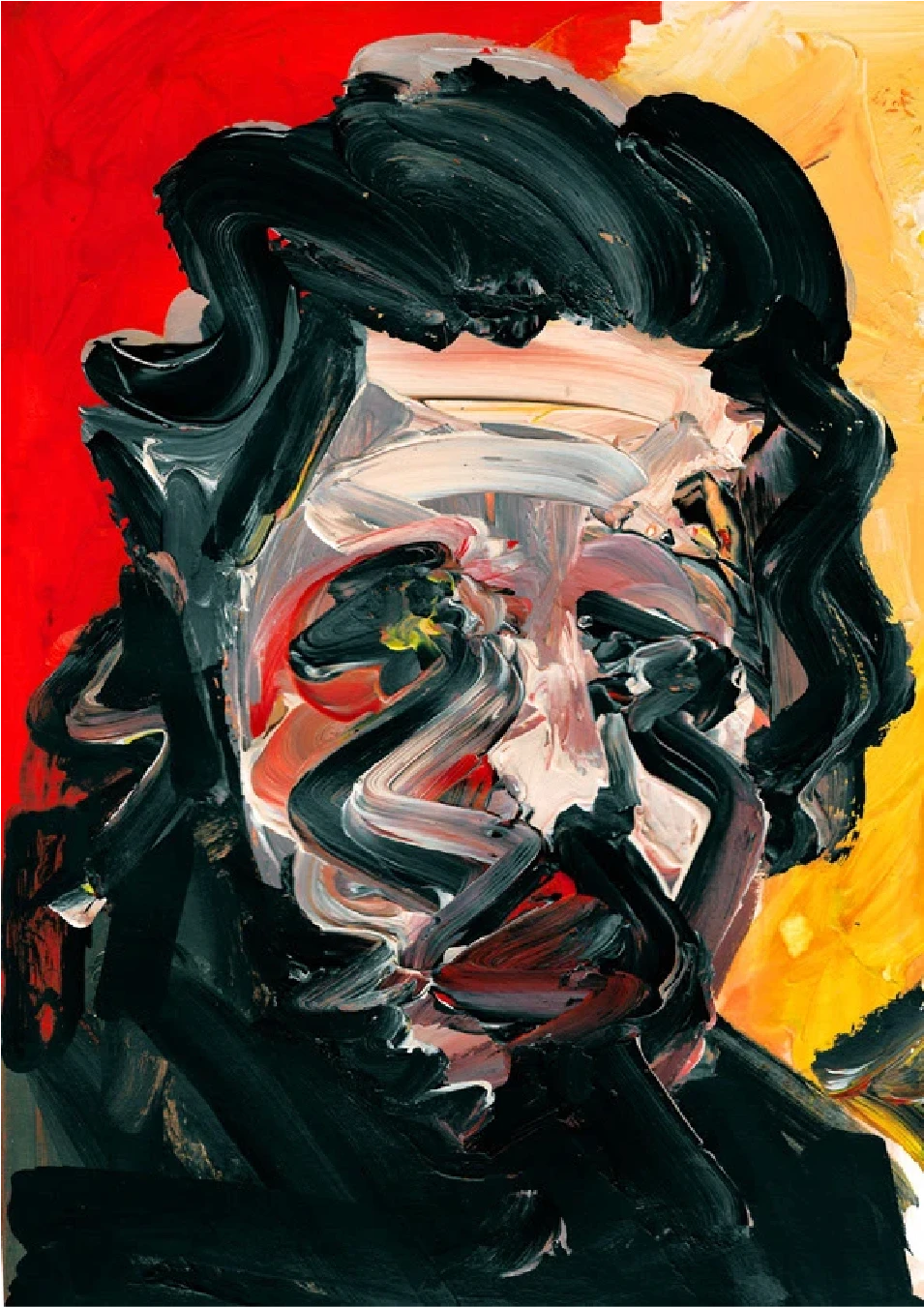
Federico Yankelevich, Glenn Branca.
Courtesy of the artist.
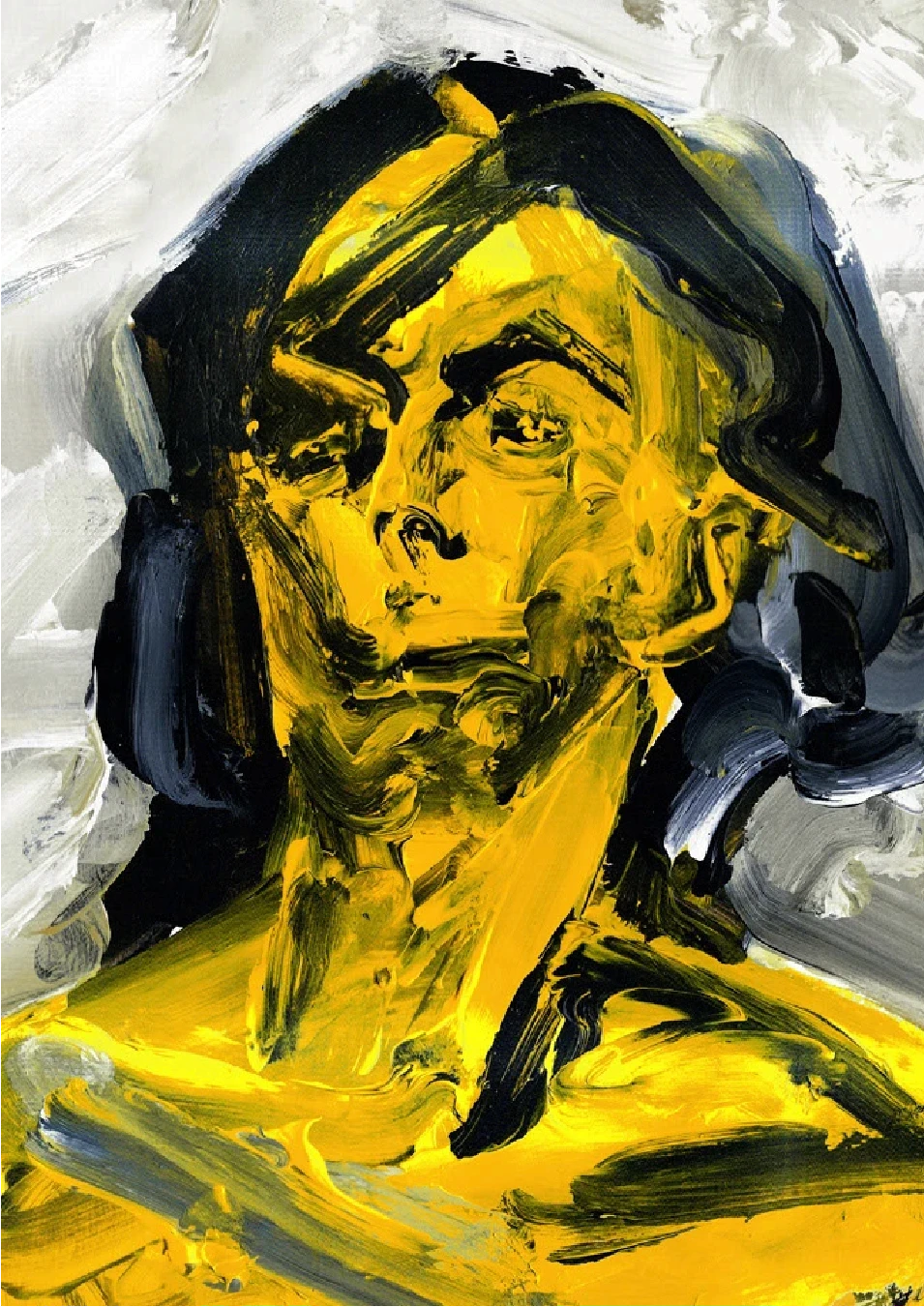
Federico Yankelevich, Acrylic faces / Rostros acrílicos.
Courtesy of the artist.
There is something undeniable that stands out after surveying his work: his illustrations invite us to pause amid the noise of everyday life, to stop for a moment and approach a different way of thinking. And he points out: “(Art) is the result of the encounter between the work of one person, not necessarily an artist, and another who experiences that work.” That other person, the viewer addressed by his works, meets Federico in each of them and produces something that is nothing less than the indispensable event, the conditio sine qua non, for the happening, the coming together, the magic inherent to art to take place.
Share