La Rosa, Martín. (2025). El tiempo y lo visible.
Buenos Aires, Argentina: Museo MUNTREF.
The auratic art
of Martín La Rosa
Contemporary
Art Gallery
Through his series "El tiempo y lo visible", Argentine artist Martín La Rosa proposes a form of reproduction and dialogue with classical works of art that invites reflection on the question of authenticity in art.
author
Luciana Trost
Date
February 3, 2026
Share
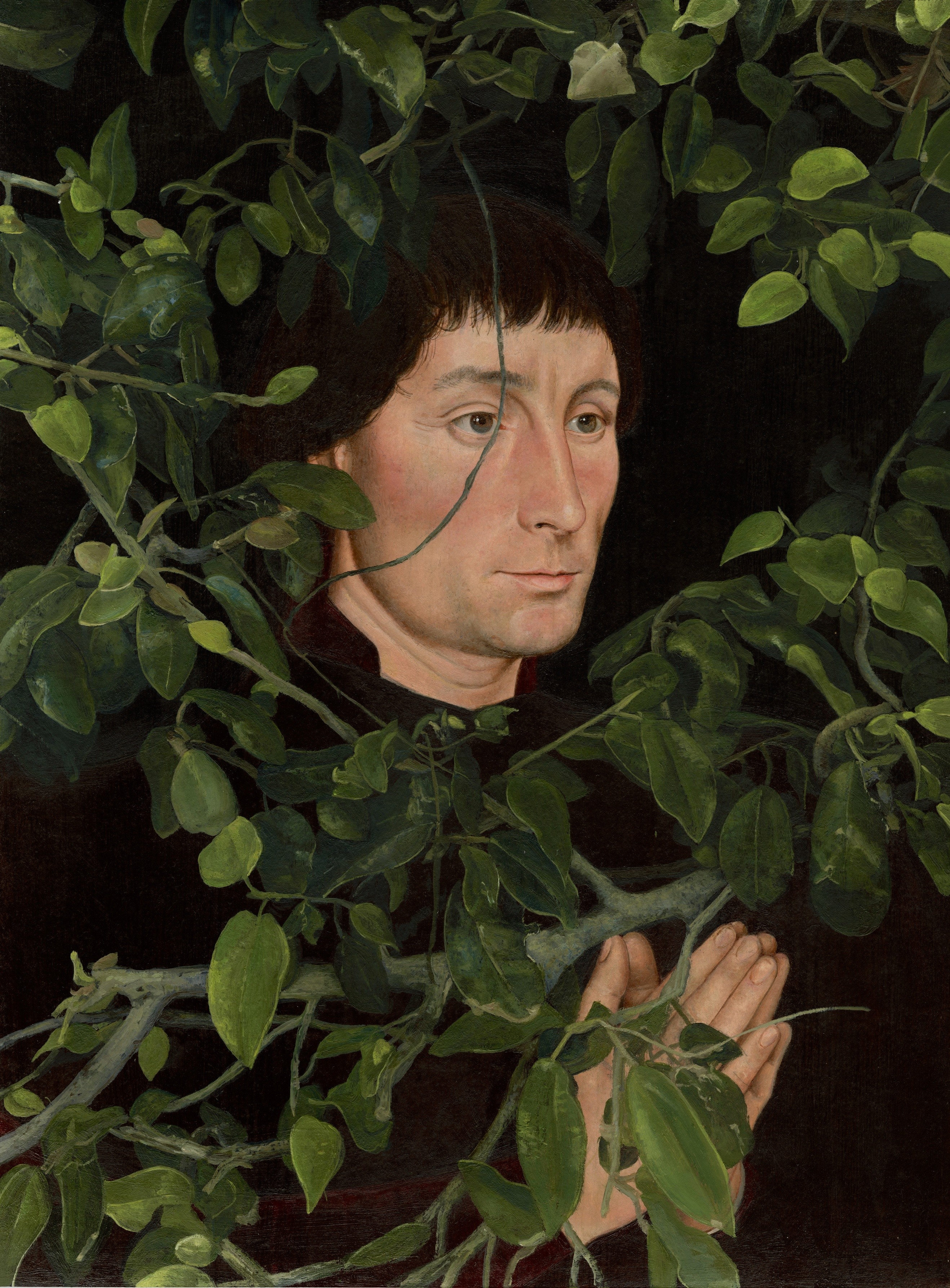
Martín La Rosa, Retrato de Tommaso di Folco Portinari, 2025, 42,2 x 31cm. Courtesy of the artist.
Walter Benjamin had already addressed this issue in The Work of Art in the Age of Mechanical Reproduction (1936), where he examined the problem of authenticity in art. What is it that makes a work of art authentic? With the rise of technology, Benjamin argued, the aura that conferred authenticity upon a work of art began to dissipate. He referred to the reproductive techniques characteristic of the early twentieth century—the period in which he wrote his essay—such as photography and cinema.
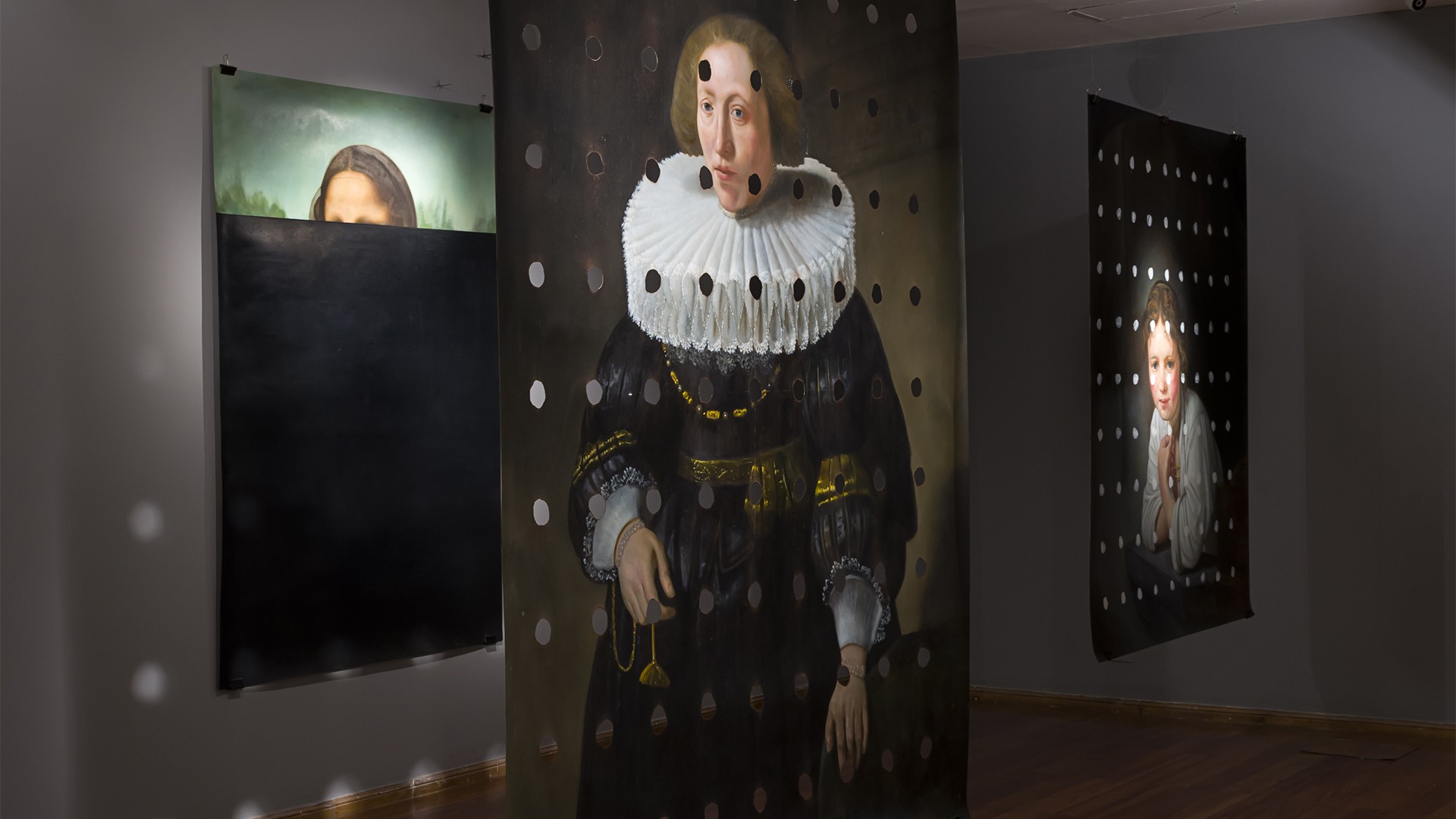
But what happens in cases such as that of the Argentine artist Martín La Rosa, where the reproduction of canonical masterpieces—using the same technique employed by the great painters of the Renaissance and the Baroque period (oil on canvas)—is, in turn, intervened? This is precisely where what Benjamin termed the aura of the work of art emerges, understood as that “here and now” belonging to the specific moment in which the work was created—in this case, created and intervened—and which is irreproducible.
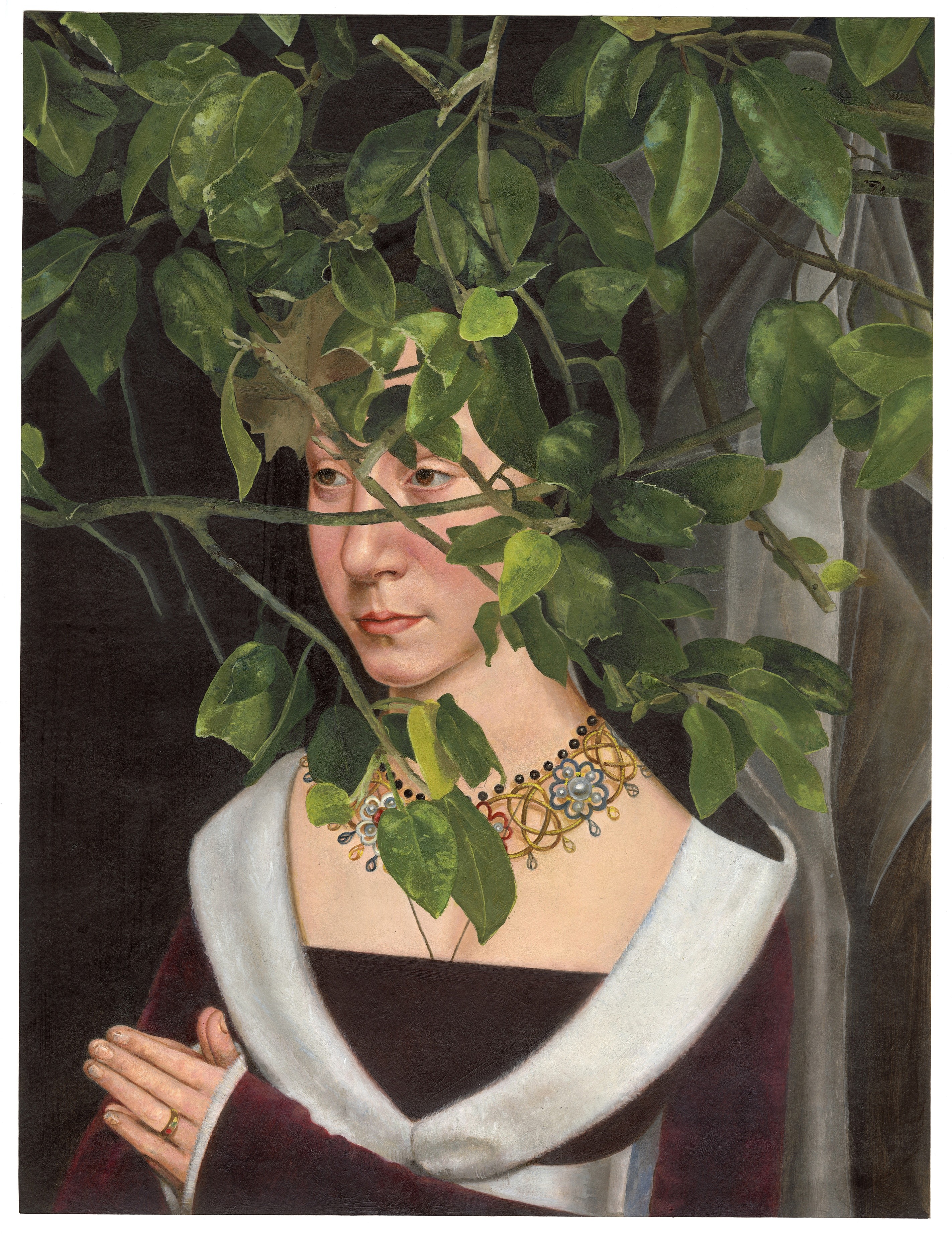
Martín La Rosa, Retrato de María Portinari, 2025,
42,2 x 31,8cm. Courtesy of the artist.
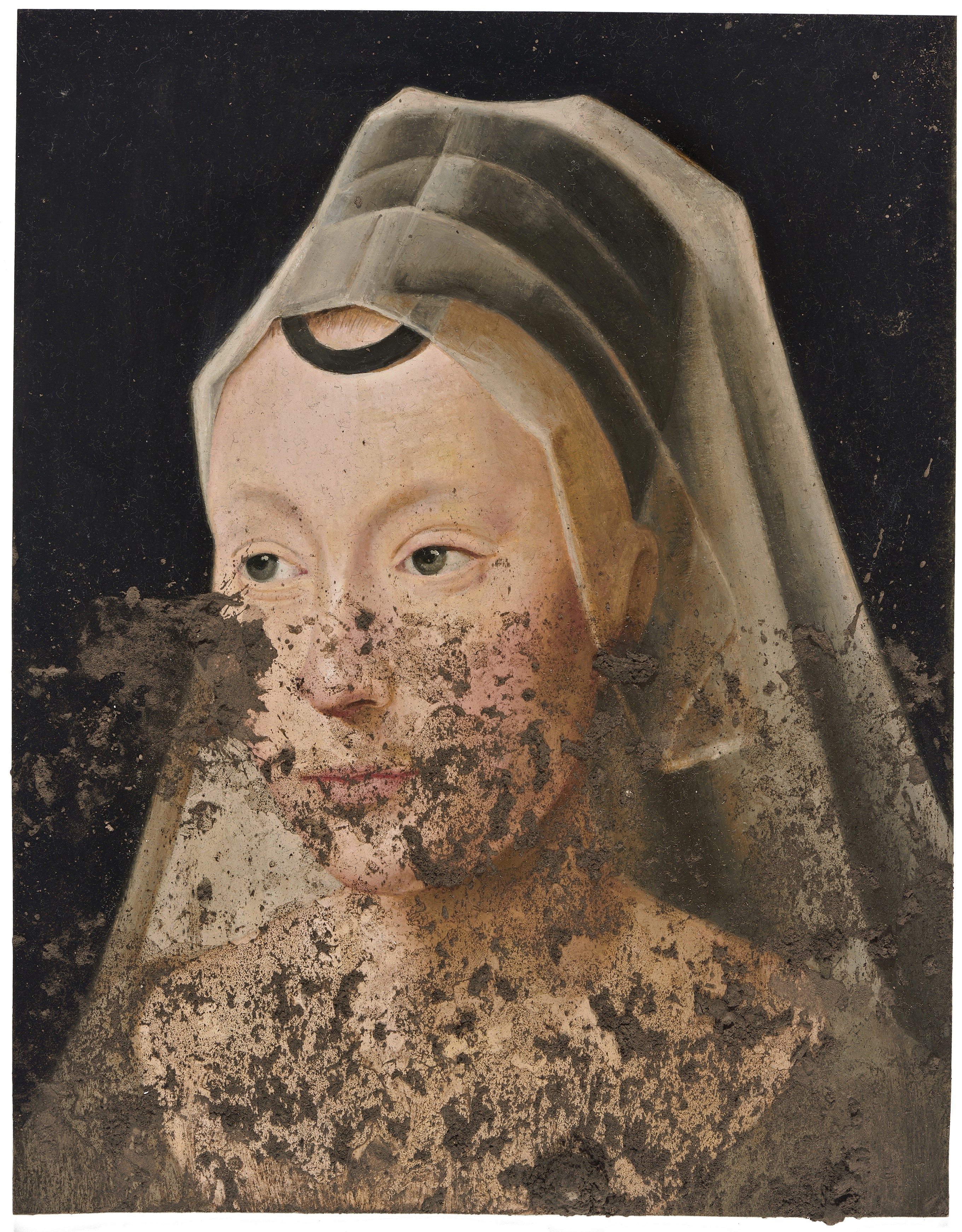
Martín La Rosa, Retrato de una joven (fuego, tierra, aire), 2025. Courtesy of the artist.
Consequently, it cannot be denied that the reproduction proposed by La Rosa—and here we return to the etymology of the word reproduction, from the Latin reproductio, meaning “to produce again”—which involves achieving virtually the same, or even superior, artistic qualities to those employed by the great master painters, requires in itself an exceptional, supreme artistic skill and, therefore, the imprint of its own aura as the result of this new production.
Likewise, La Rosa’s intervention through water, fire, earth, and air—the four essential elements of nature—reinforces this condition by proposing a reappropriation of the work and its decanonization, displacing those consecrated paintings from their unreachable locus in order to bring them somewhat “closer” to us.
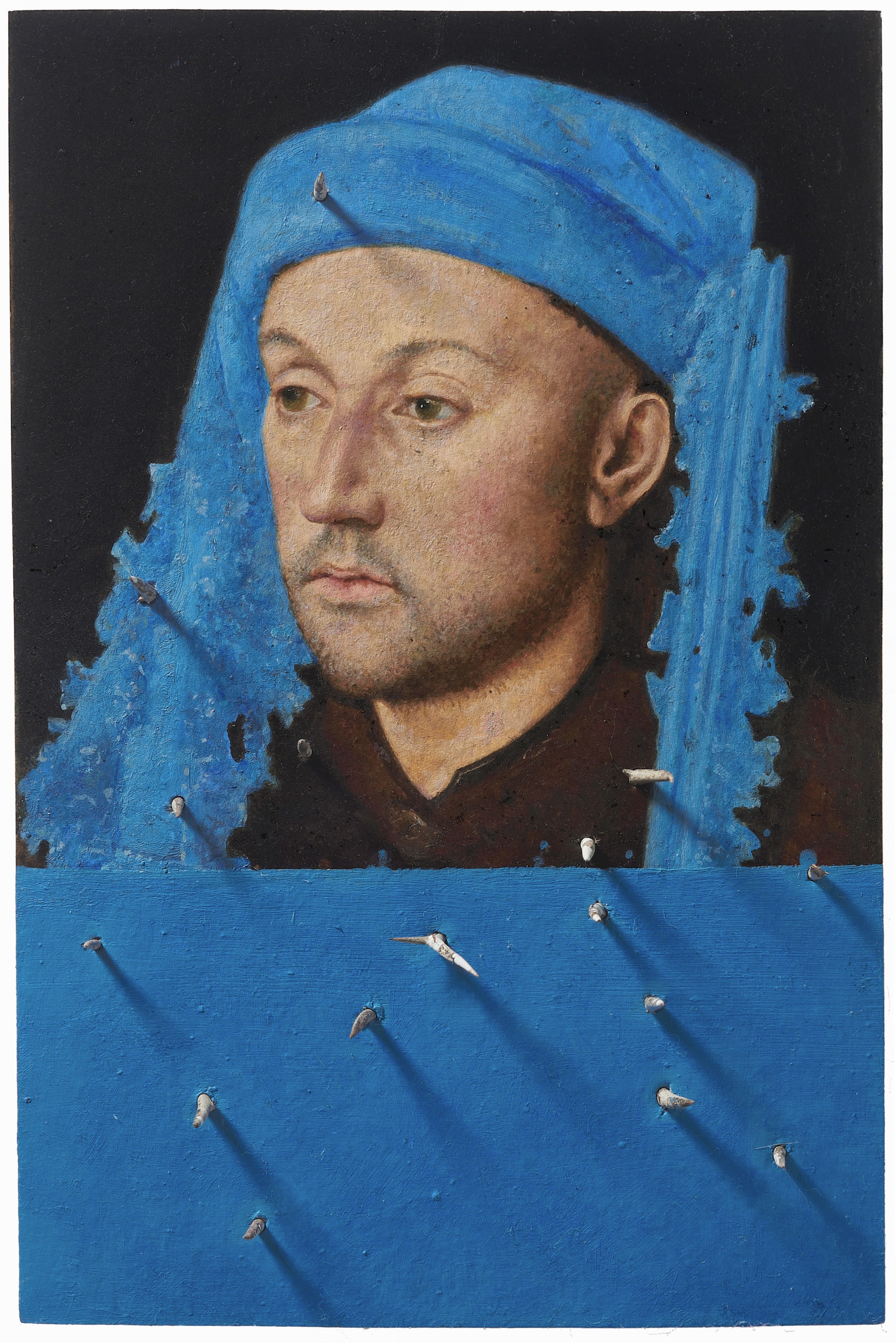
Martín La Rosa, Retrato de un orfebre, 2025,
13,1 x 19,8cm. Courtesy of the artist.
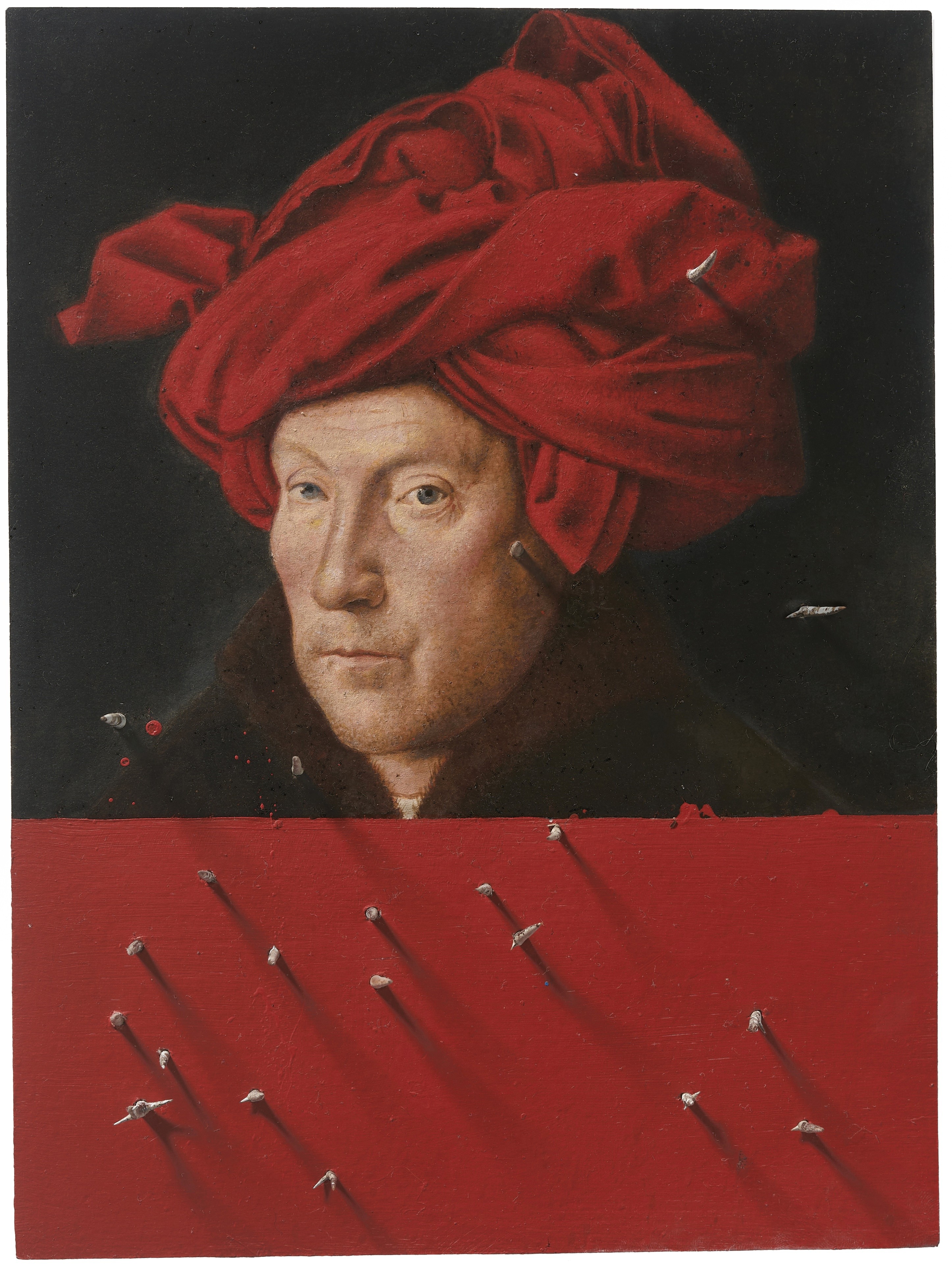
Martín La Rosa, Retrato de un hombre con turbante rojo, 2025, 25,4 x 19cm. Courtesy of the artist.
The works presented here belong to the series El tiempo y lo visible, and many bear the title Dialogue with (...) followed by the name of the master painter—for example Leonardo (da Vinci) or Rembrandt. Through materiality, through the visible nature of oil on canvas, they clearly seek to communicate and interact across very different and distant times—like a story of science fiction—with those painters of the Renaissance or the Baroque period.
The dialogue produced through images, colors, precise brushstrokes, and interventions undoubtedly takes place, and it is left to the viewer’s interpretation to decode the words that both painters exchange between them.
Share