Drama
author
Luciana Trost
Date
November 10, 2025
Share
What prevents us from loving others, not just anyone but the people we love the most? Why is it so difficult to express what is happening to us, to put feelings or emotions into words, and why do we instead tend to assume what the other person thinks? Is it possible, in a time when words are overwhelmed by images, to build a bridge of communication with another person? For Lacan, the answer to this last question leans toward pessimism. We may open a path toward dialogue, but communication understood as a sender and a receiver exchanging a message that is interpreted in the same way is impossible. The other is an enigma, and their understanding is an enigma as well. There is no way to know what someone else thinks or believes, no matter how clearly they try to express it or how long we have known them. We can approach that message and circle around it, but the code it carries will never be interpreted identically by two interlocutors.
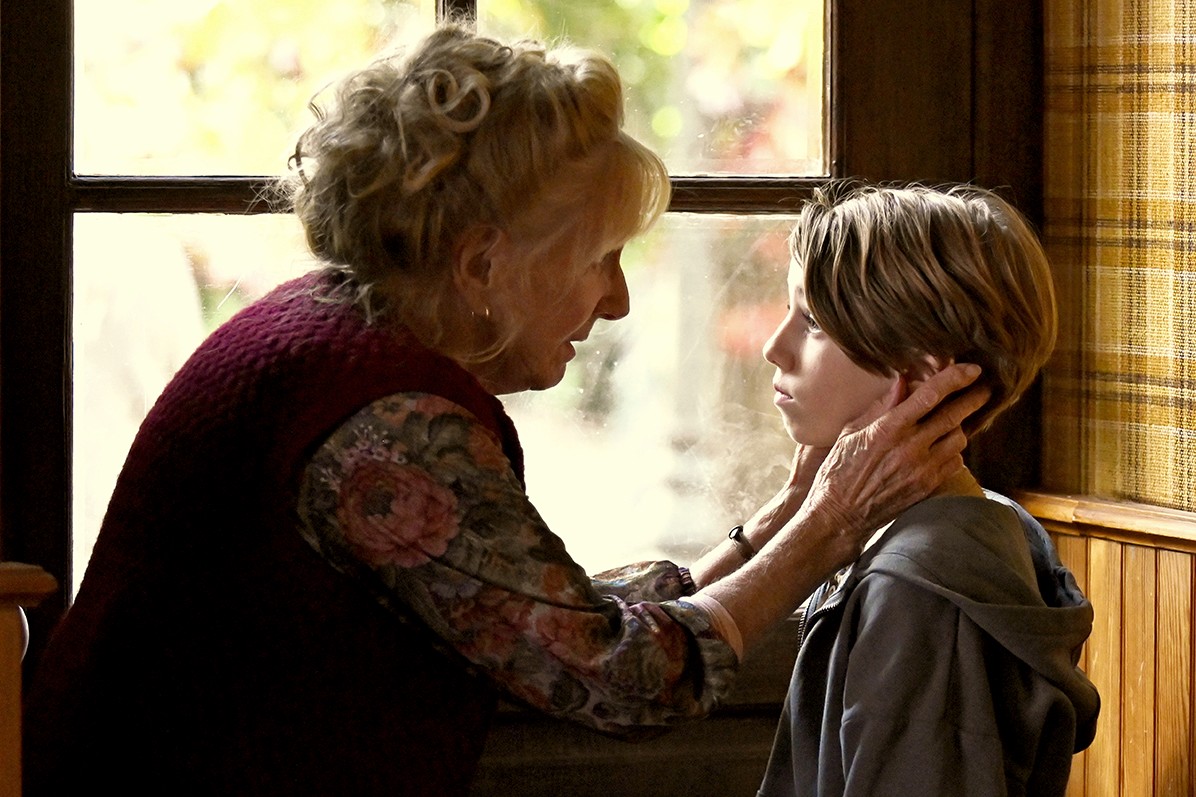
It is around this theme that François Ozon builds his latest feature film When Fall Is Coming. Staying true to what already feels like his signature, he offers a simple, everyday story where human frailties emerge within that everyday life.
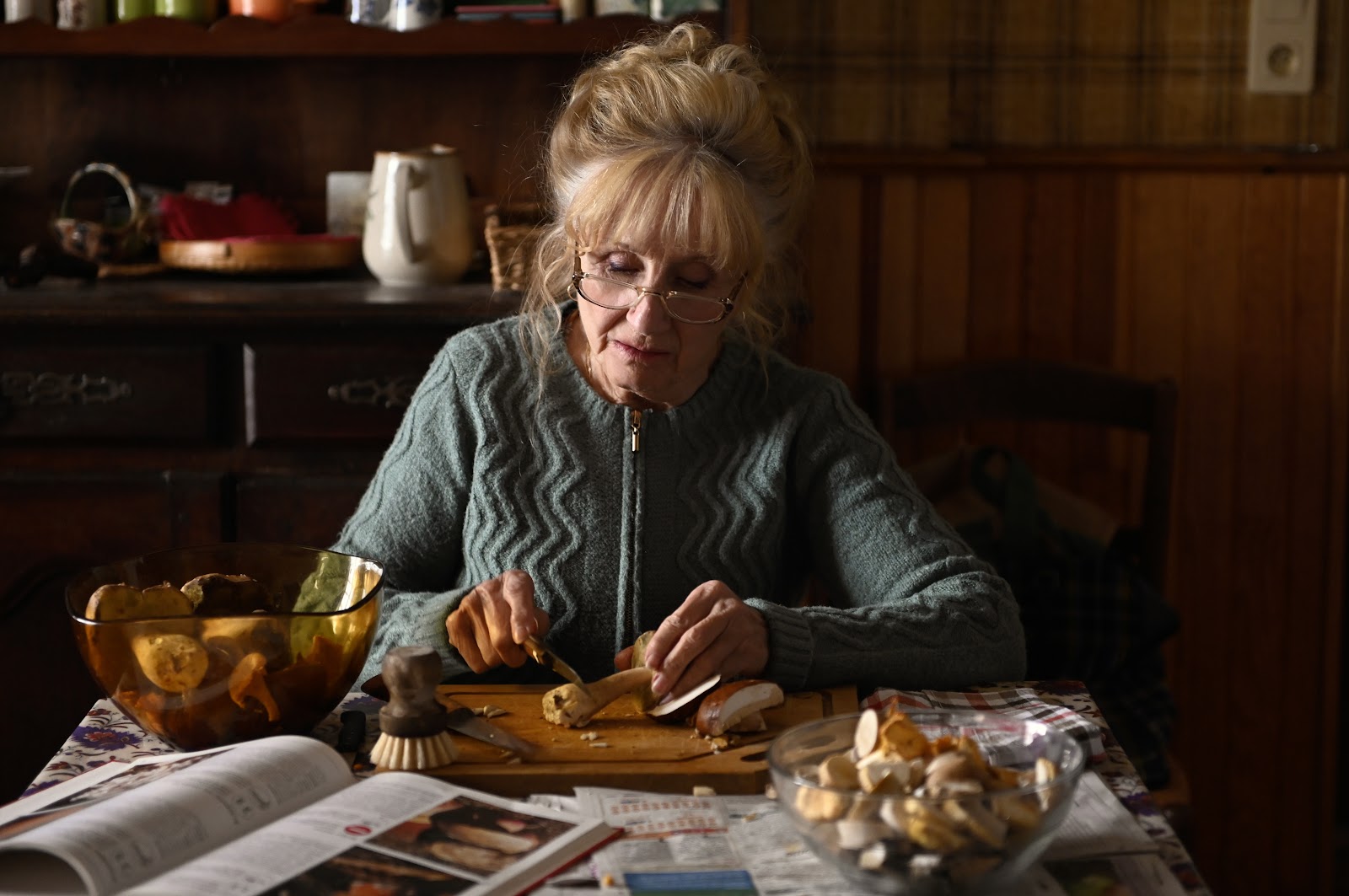
Michelle, played by Hélène Vincent, is a retired woman living in a town outside Paris. She is waiting for the arrival of her daughter Valérie, portrayed by Ludivine Sagnier, and her grandson, with whom she plans to spend the school holidays. This calm is shattered when, as Michelle prepares lunch, her daughter suffers severe mushroom poisoning and nearly dies. After recovering, Valérie accuses her mother of trying to kill her and decides to return to Paris, leaving Michelle alone and without the grandson she had hoped to spend the holidays with. From this point on, the plot becomes more complex and mystery begins to take hold of the story. Yet the film’s central concern remains unchanged: communication, or rather the impossibility of communication, and the absence of both words and gestures.
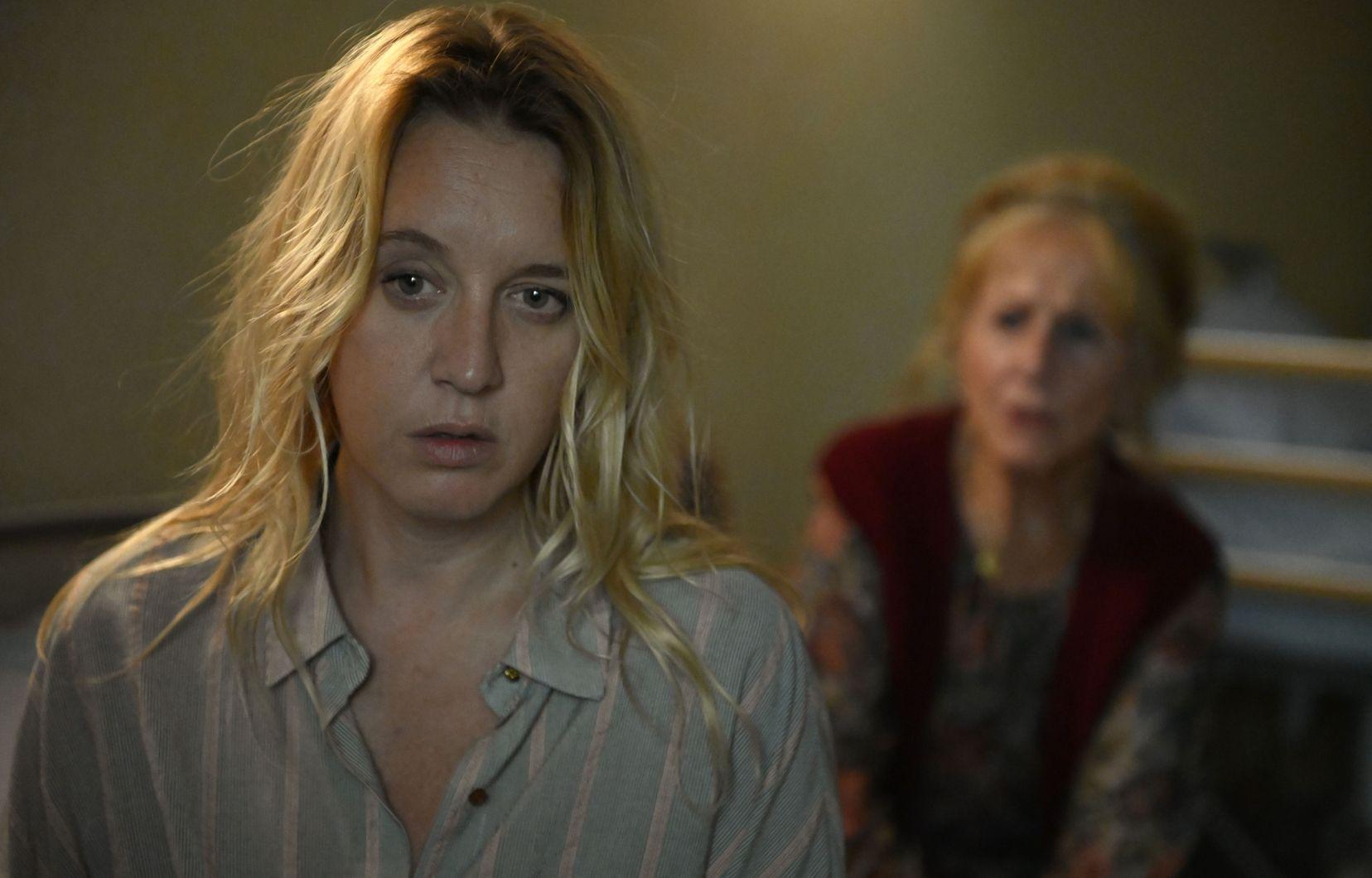
Valérie constantly reproaches her mother for trivial matters in a tone that is strikingly cruel and inhuman. “At your age you should exercise more,” “give me more money,” “I want that apartment when you die,” “you disgust me,” “you tried to kill me.” These deeply insensitive statements are met with Michelle’s passivity, as she is also unable to speak or to respond to her daughter with any force. It becomes clear that unspoken feelings and memories coexist beneath the surface, rising from the past as resentment and hatred on Valérie’s side and as helplessness on Michelle’s.
The narrative tightens as other characters enter and the film moves closer to the thriller genre. It is also worth noting how Ozon addresses the question of time, not only through the title. Autumn evokes a particular stage of life, an approach toward later years, perhaps the autumn of life itself or of relationships. This notion is embodied in Michelle, who despite her age, which contemporary society often treats as disposable, and despite the difficult circumstances she must endure, remains filled with a desire to live.
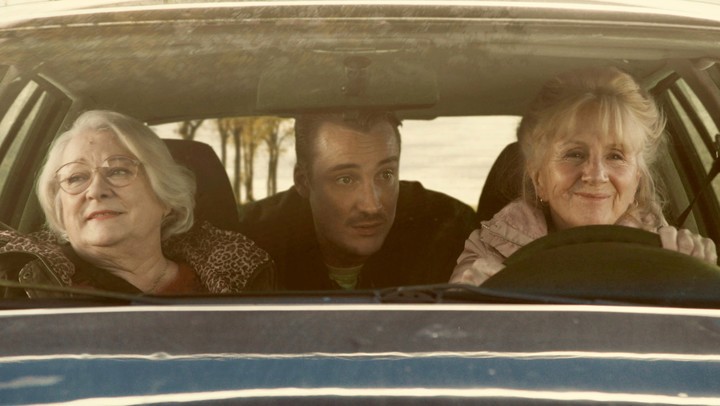

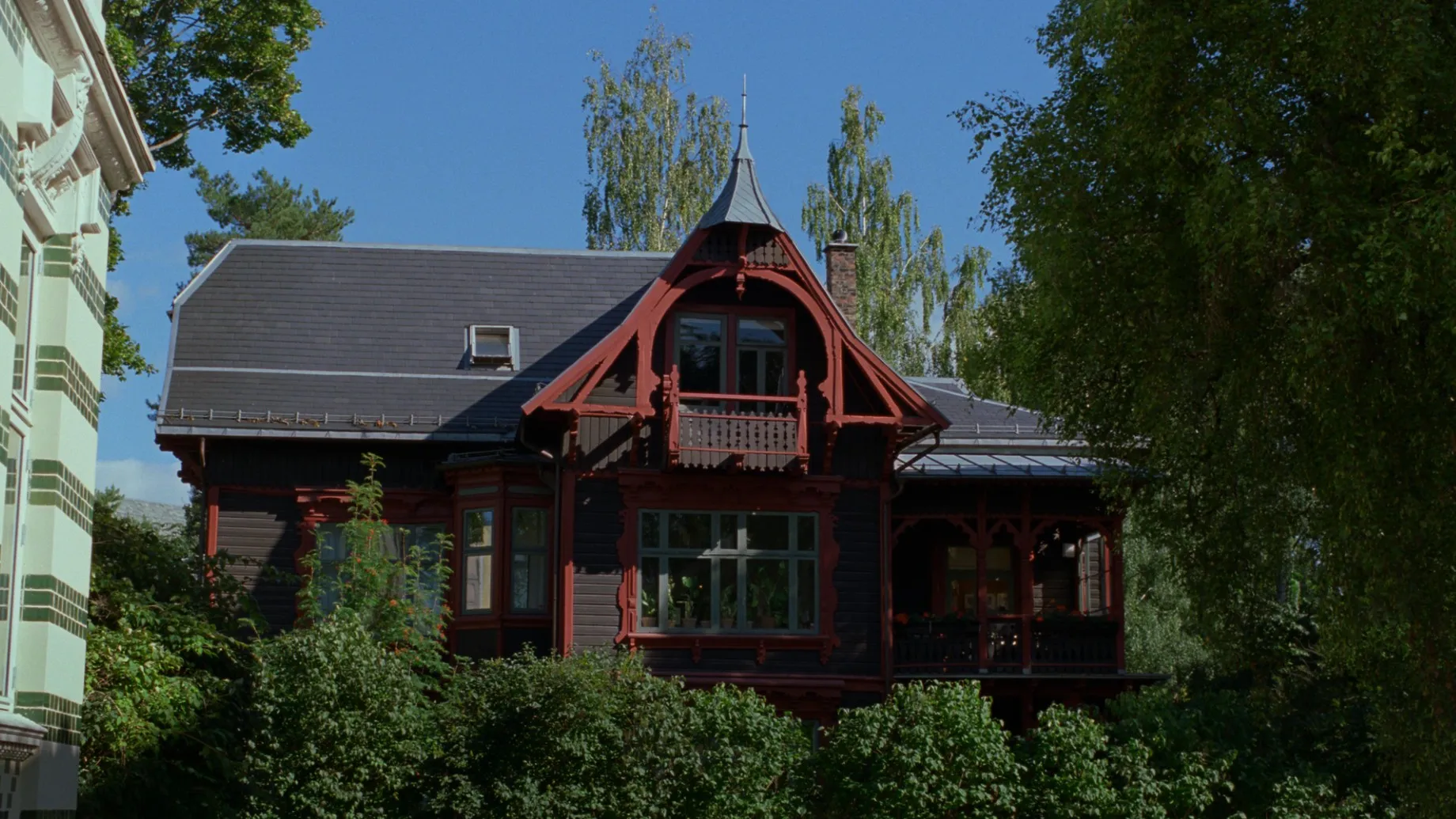
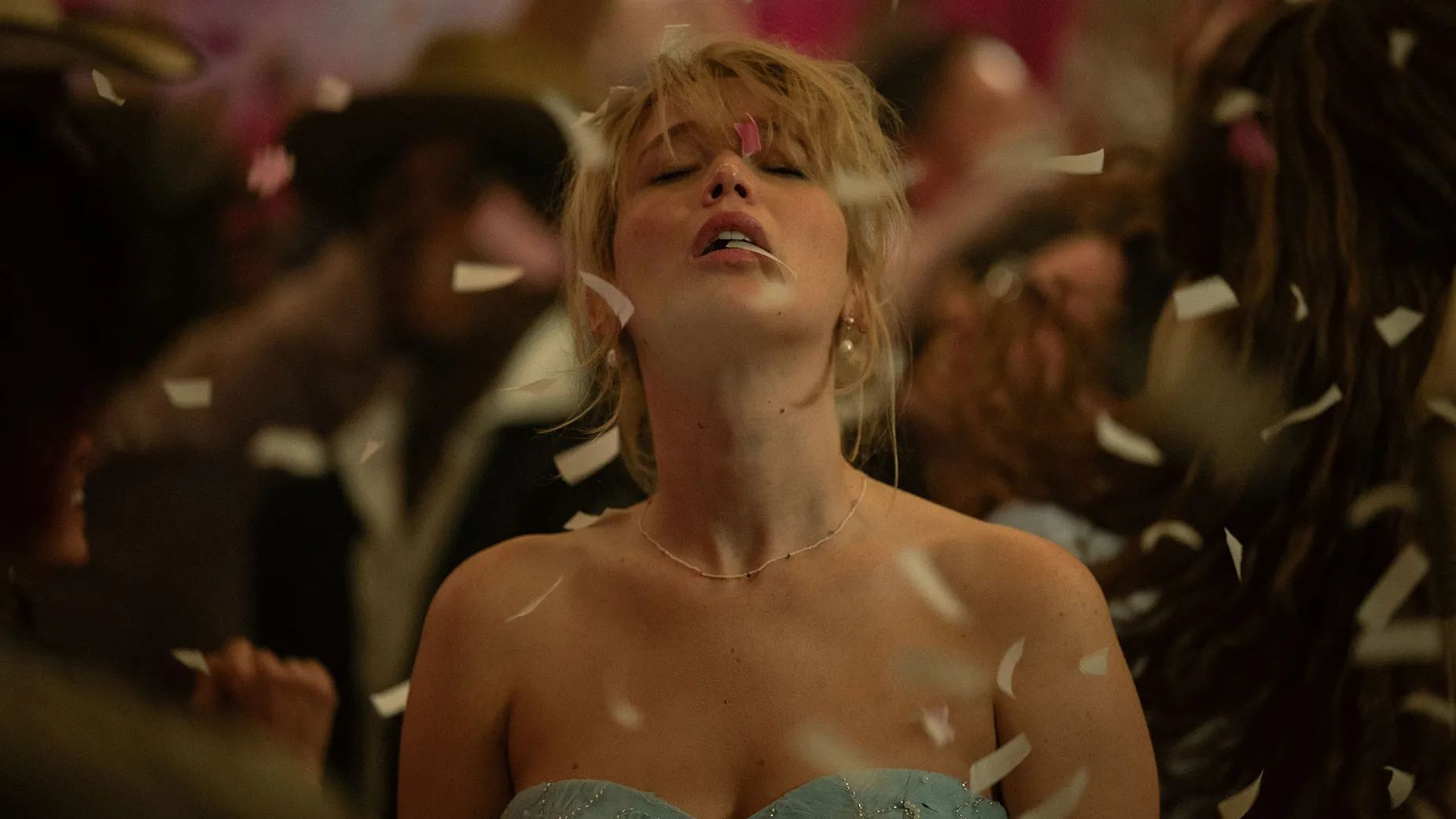
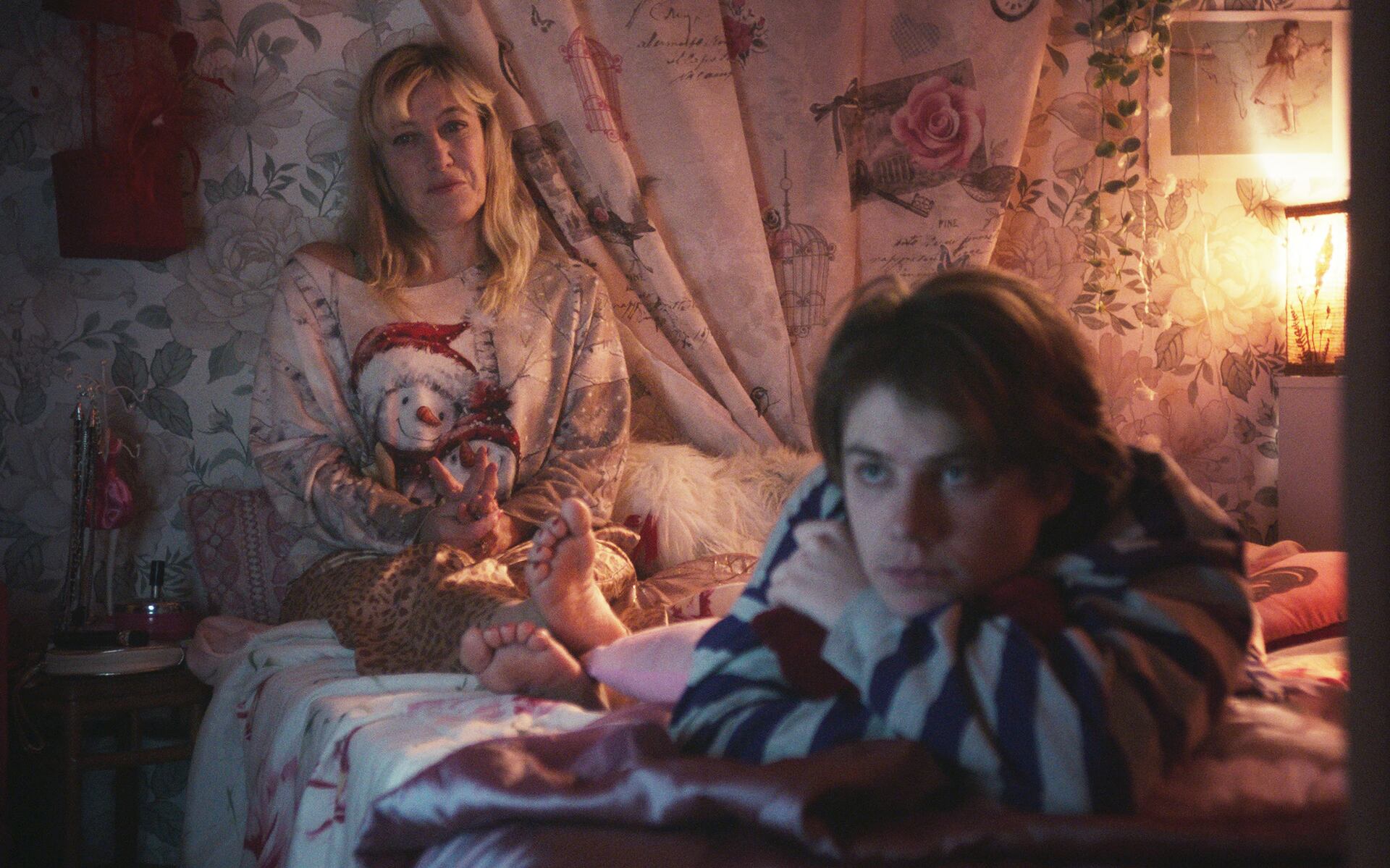
Stills from When Autumn Comes (2024),
directed by François Ozon. © Diaphana Distribution / Caramel Films.
Even so, we return to the tension at the heart of the film: the fractured relationship between mother and daughter and the question of family. What happens when one can no longer speak? We are not referring to communication, because as we have said, communication is impossible, at least from a psychoanalytic perspective. We are referring to speaking. When speaking does not occur, anger, hatred and ghosts take over, and speech is replaced by assumptions. When nothing sets limits on those assumptions through words, relationships become an accumulation of nonsense, crossed meanings and endless misunderstandings. Time passes, life continues, and speaking to the other never truly takes form.
In Cinema 1: The Movement-Image, Gilles Deleuze highlights the role of the camera as a camera-consciousness, a place of enunciation that updates meaning through aesthetic choices. In When Fall Is Coming, the eye of Ozon’s camera reveals the importance of drawing close to the people we love at the necessary moments so we can face the clear and dark stages of life together, always held by the warmth of the spoken word.
Share
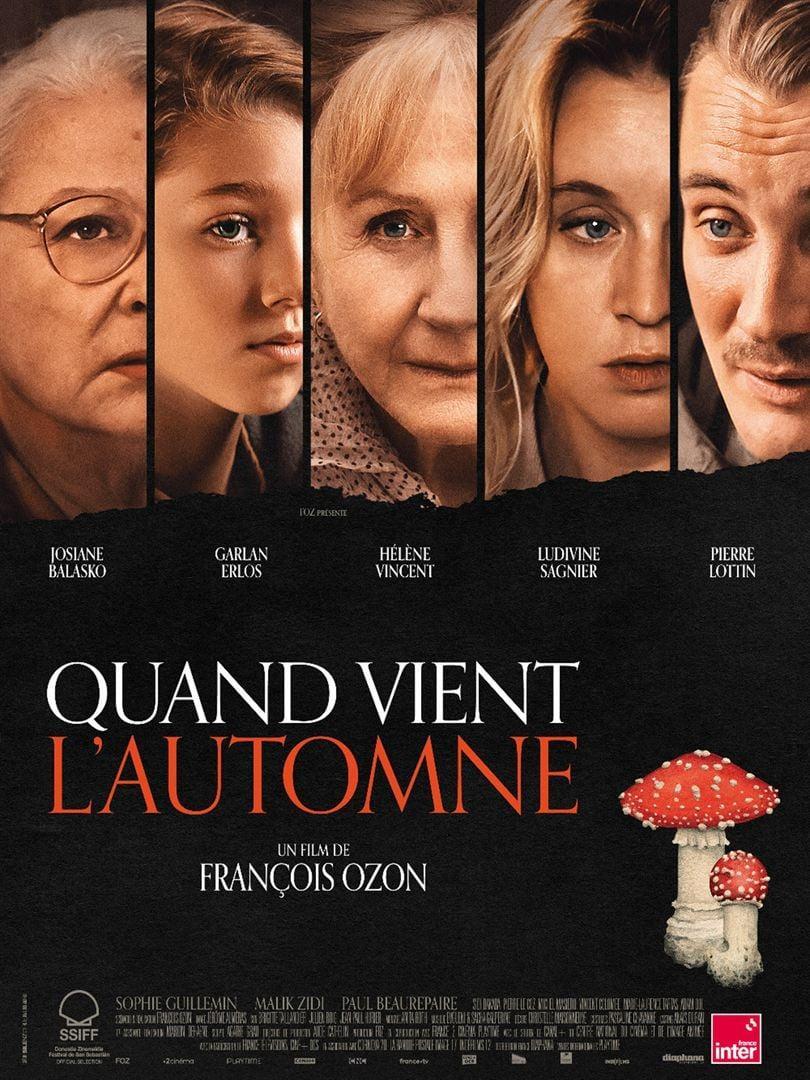
Film credits
Original title
Quand vient l’automne
Year
2025
COUNTRY
France
Director
François Ozon
Screenplay
François Ozon, Philippe Piazzo
Cast
Hélène Vincent, Josiane Balasko, Ludivine Sagnier, Pierre Lottin, Garlan Erlos, Malik Zidi, Paul Beaurepaire, Sophie Guillemin, Vincent Colombe
Music
Evgueni Galperine, Sacha Galperine
Cinematography
Jérôme Alméras
Production companies
Foz, Mandarin & Compagnie, France 2 Cinéma, Films Distribution, Canal+, CNC, Ciné+, OCS.
Distributor
Diaphana Distribution, Caramel Films
Genre
Drama. Mystery | Old age, maturity