FILM REVIEWS

FILM REVIEWS

Die My Love: A Portrait of the Postpartum Experience

Die My Love: A Portrait of the Postpartum Experience

Gallery — Die My Love: 2025 (Copyright © Excellent Cadaver & MUBI, 2025)

Gallery — Die My Love: 2025 (Copyright © Excellent Cadaver & MUBI, 2025)

Only recently have health professionals and women themselves begun to recognize something called postpartum depression. Die My Love, based on the novel by Argentine writer Ariana Harwicz, navigates those dark waters that many women experience after giving birth.

Only recently have health professionals and women themselves begun to recognize something called postpartum depression. Die My Love, based on the novel by Argentine writer Ariana Harwicz, navigates those dark waters that many women experience after giving birth.

Author

Luciana Trost

Date

January 22, 2026

Share 

A great deal is expected of women. There is an inherent burden placed upon them that clearly does not exist for men. To be well mannered and avoid profanity, to be young, to have an ideal body shaped by dominant beauty standards, to speak only when necessary, to have a child. However, with the rise of women’s rights movements over recent decades, particularly since the 1960s, these pressures have become far more visible and openly questioned.

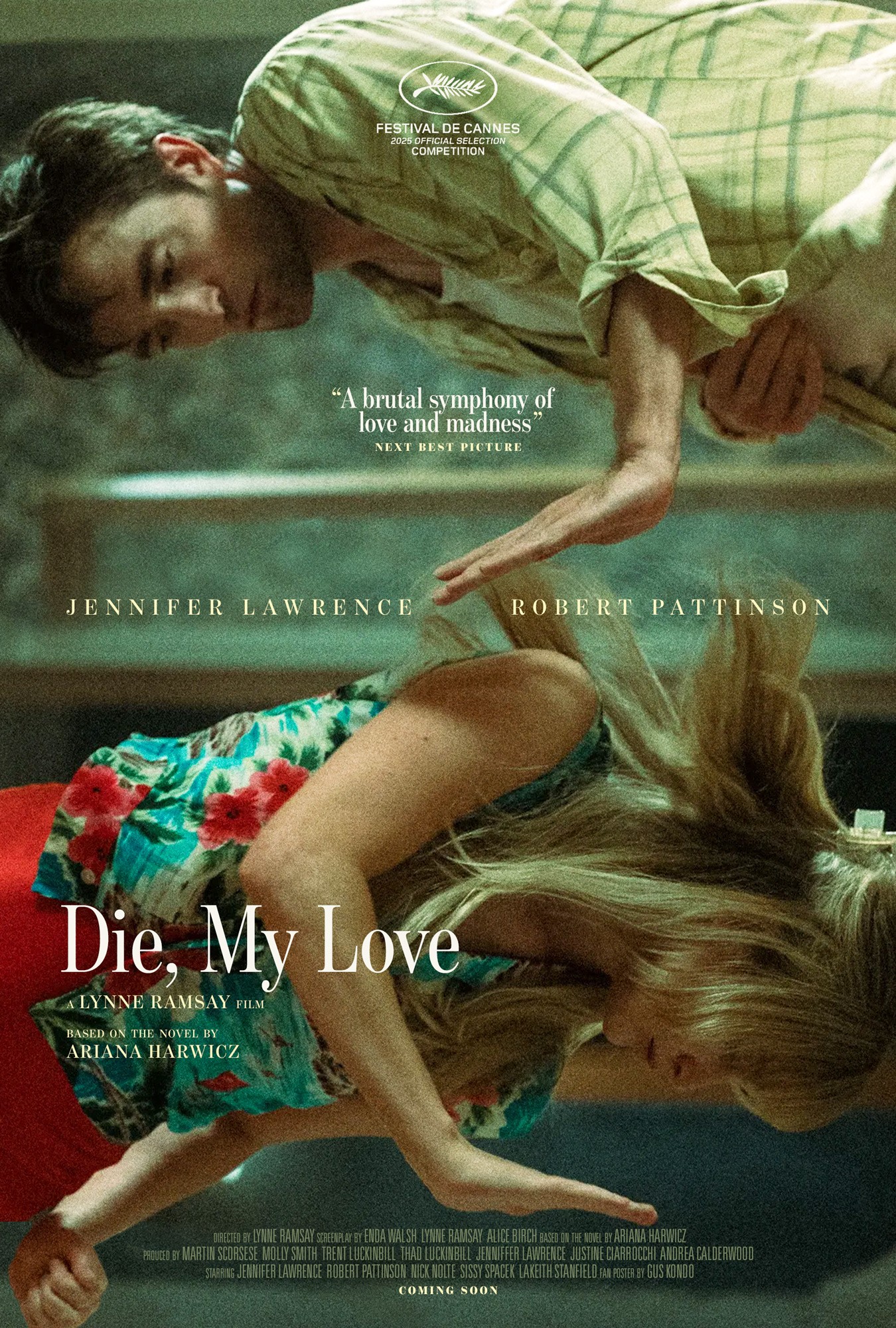
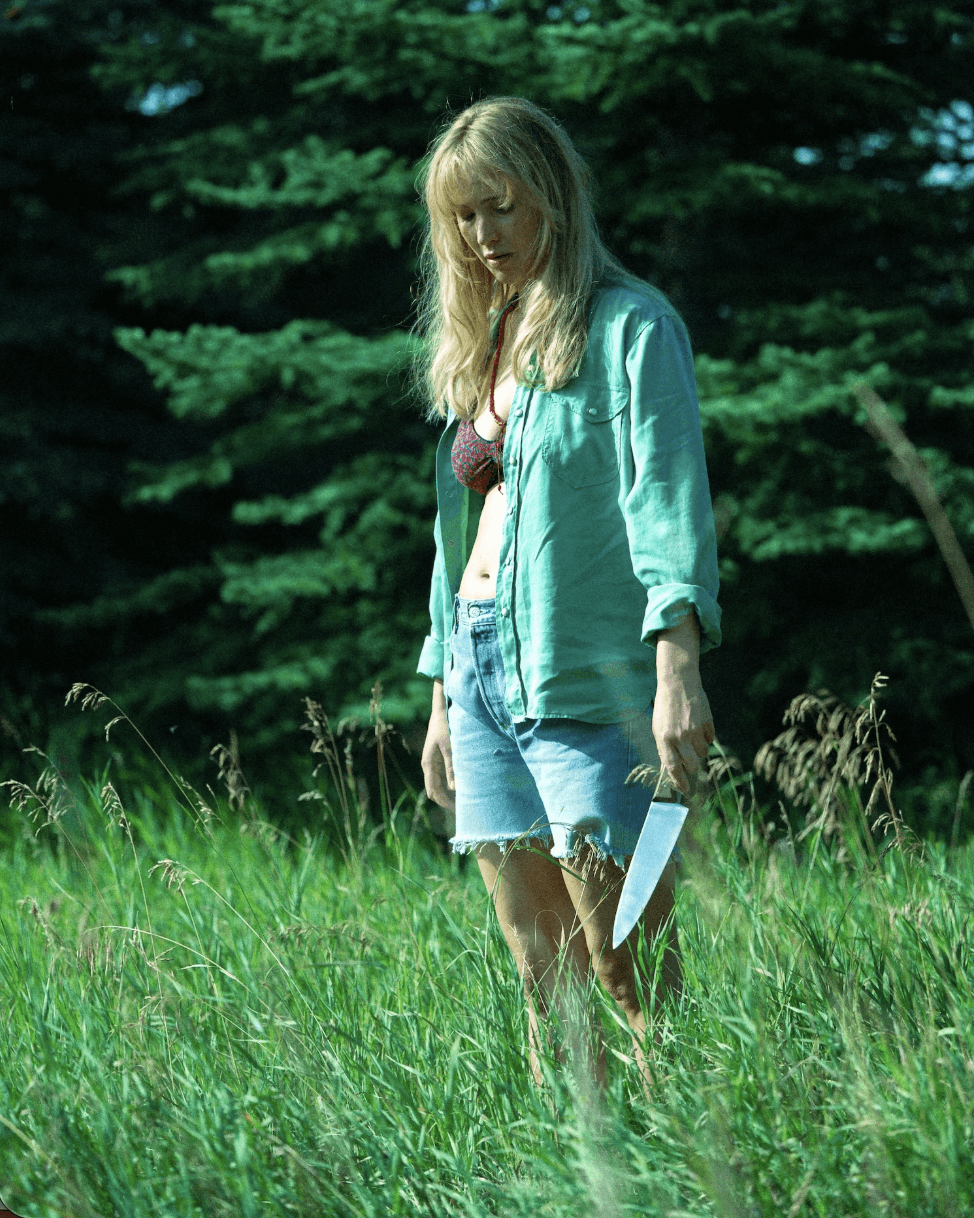
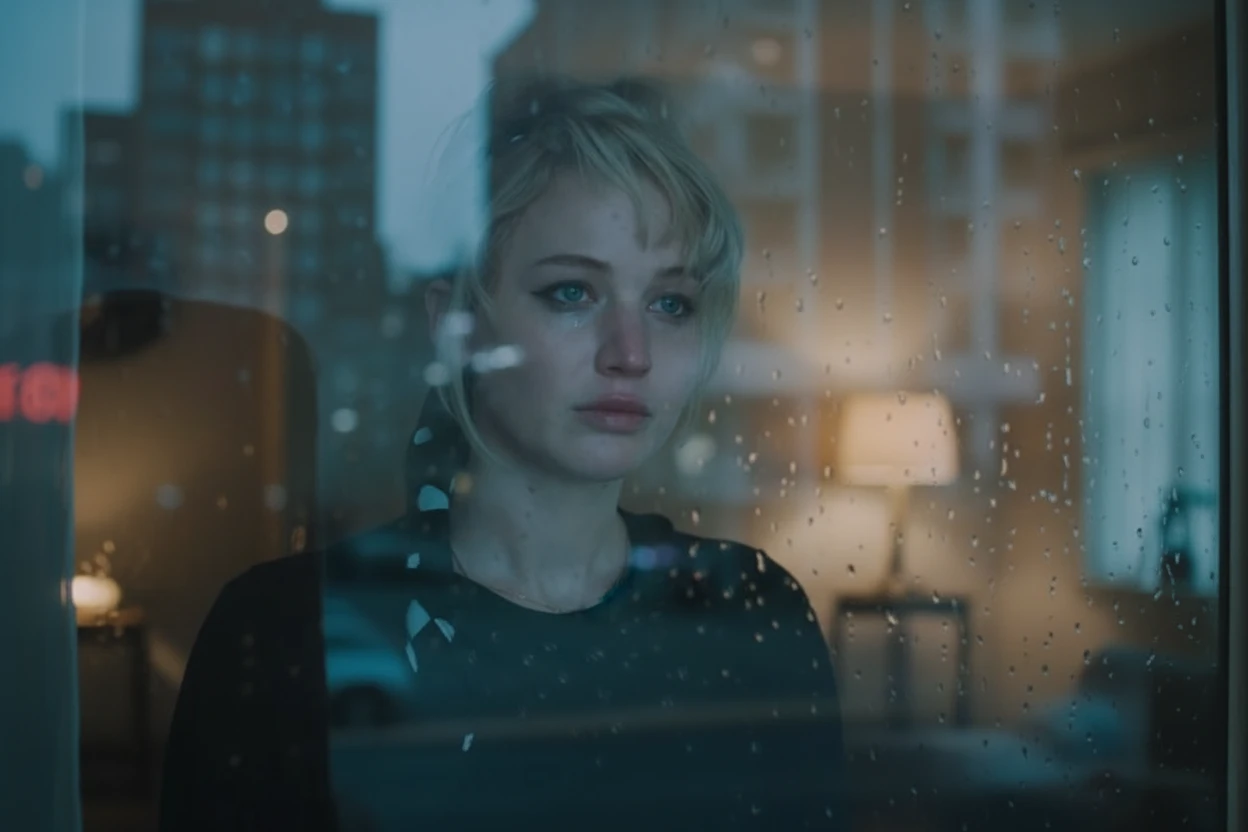
Motherhood and the early stage following childbirth form the central focus of Die My Love, directed by Lynne Ramsay and produced by Martin Scorsese. Based on the novel of the same name by Ariana Harwicz, the film portrays the challenges faced by a couple, especially the woman, Grace, exquisitely portrayed by Jennifer Lawrence, after having a child and relocating to the outskirts of New York City with her partner, Jackson, played by Robert Pattinson.
A great deal is expected of women. There is an inherent burden placed upon them that clearly does not exist for men. To be well mannered and avoid profanity, to be young, to have an ideal body shaped by dominant beauty standards, to speak only when necessary, to have a child. However, with the rise of women’s rights movements over recent decades, particularly since the 1960s, these pressures have become far more visible and openly questioned.

Motherhood and the early stage following childbirth form the central focus of Die My Love, directed by Lynne Ramsay and produced by Martin Scorsese. Based on the novel of the same name by Ariana Harwicz, the film portrays the challenges faced by a couple, especially the woman, Grace, exquisitely portrayed by Jennifer Lawrence, after having a child and relocating to the outskirts of New York City with her partner, Jackson, played by Robert Pattinson.

A great deal is expected of women. There is an inherent burden placed upon them that clearly does not exist for men. To be well mannered and avoid profanity, to be young, to have an ideal body shaped by dominant beauty standards, to speak only when necessary, to have a child. However, with the rise of women’s rights movements over recent decades, particularly since the 1960s, these pressures have become far more visible and openly questioned.

Motherhood and the early stage following childbirth form the central focus of Die My Love, directed by Lynne Ramsay and produced by Martin Scorsese. Based on the novel of the same name by Ariana Harwicz, the film portrays the challenges faced by a couple, especially the woman, Grace, exquisitely portrayed by Jennifer Lawrence, after having a child and relocating to the outskirts of New York City with her partner, Jackson, played by Robert Pattinson.

Gallery — Die My Love: 2025 (Copyright © Excellent Cadaver & MUBI, 2025)

Gallery — Die My Love: 2025 (Copyright © Excellent Cadaver & MUBI, 2025)

While the film’s title might suggest that a death or tragedy will occur within the couple (spoiler alert: it does not), the story instead centers on the psychological struggles Grace must confront when faced with the novelty of raising a human being who has come from her own body, a fact that perhaps should never cease to astonish us. This child is the result of her relationship with Jackson, her partner, played by Robert Pattinson. This is where the narrative becomes truly compelling. Why does Grace not seem happy? What leads her to neglect herself and even her baby? Why the constant self punishment and self sabotage? Is she disconnected from her own body? From her child? What does she seek through the harm she inflicts upon herself? Is it a cry for attention, perhaps? For now, these questions remain rhetorical, though the viewer will likely find their own way toward possible answers.

While the film’s title might suggest that a death or tragedy will occur within the couple (spoiler alert: it does not), the story instead centers on the psychological struggles Grace must confront when faced with the novelty of raising a human being who has come from her own body, a fact that perhaps should never cease to astonish us. This child is the result of her relationship with Jackson, her partner, played by Robert Pattinson. This is where the narrative becomes truly compelling. Why does Grace not seem happy? What leads her to neglect herself and even her baby? Why the constant self punishment and self sabotage? Is she disconnected from her own body? From her child? What does she seek through the harm she inflicts upon herself? Is it a cry for attention, perhaps? For now, these questions remain rhetorical, though the viewer will likely find their own way toward possible answers.

While the film’s title might suggest that a death or tragedy will occur within the couple (spoiler alert: it does not), the story instead centers on the psychological struggles Grace must confront when faced with the novelty of raising a human being who has come from her own body, a fact that perhaps should never cease to astonish us. This child is the result of her relationship with Jackson, her partner, played by Robert Pattinson. This is where the narrative becomes truly compelling. Why does Grace not seem happy? What leads her to neglect herself and even her baby? Why the constant self punishment and self sabotage? Is she disconnected from her own body? From her child? What does she seek through the harm she inflicts upon herself? Is it a cry for attention, perhaps? For now, these questions remain rhetorical, though the viewer will likely find their own way toward possible answers.

“Die My Love seeks, in this way, to strip motherhood of its supposed naturalness (..)”

“Die My Love seeks, in this way, to strip motherhood of its supposed naturalness (..)”

“Die My Love seeks, in this way, to strip motherhood of its supposed naturalness (..)”

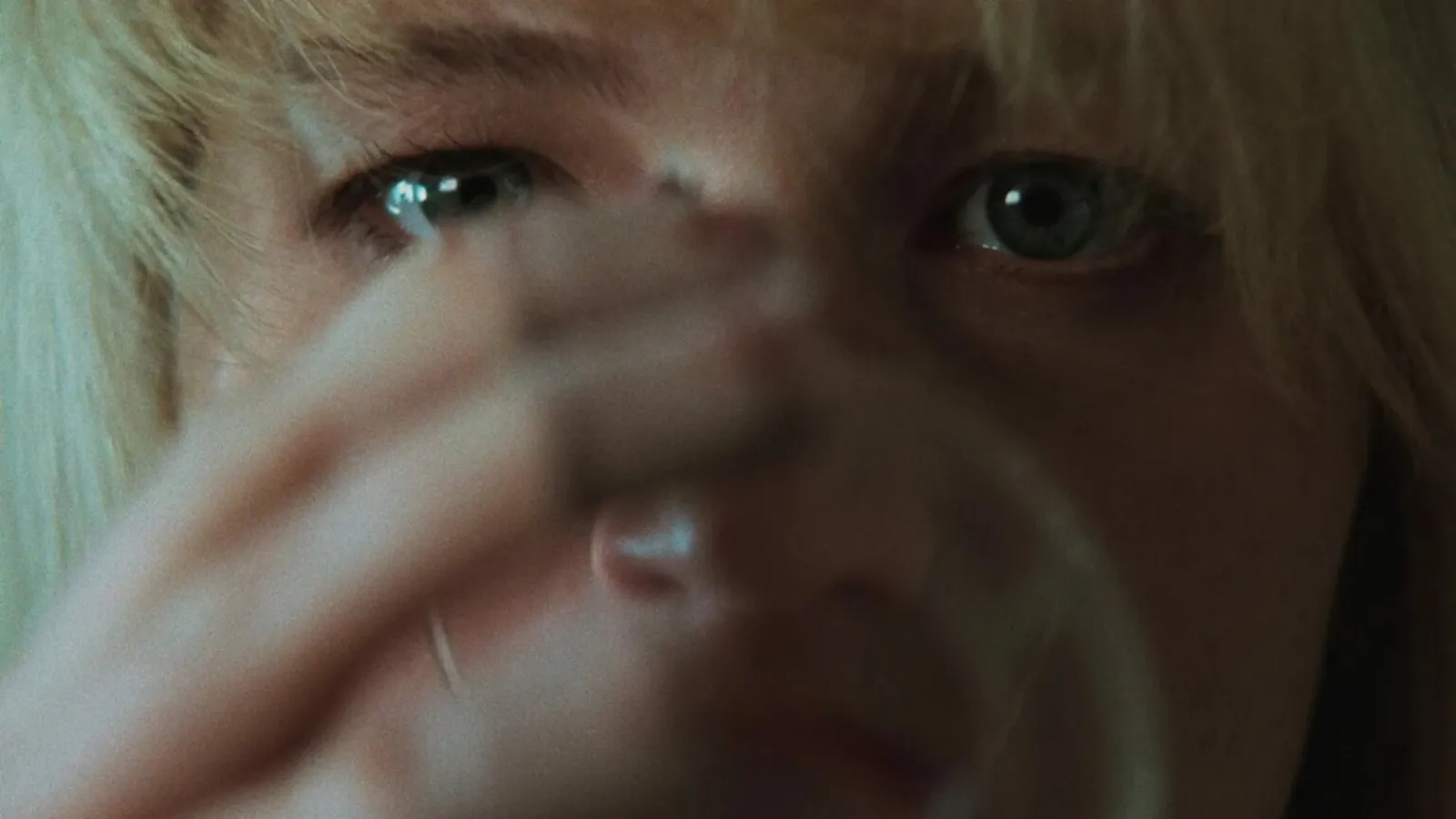
The scenes unfold between Grace’s attempts to fit into society, striving to prove herself as a good mother, and her interactions with Jackson’s family and their shared circle of friends. Yet despite the support and professional help offered to her, something in Grace’s mind prevents her from being the woman she once was or even the woman she feels she is expected to be. We know that returning to the version of Grace that existed before the baby is impossible, because her body has already been irrevocably transformed by this experience.

Die My Love seeks, in this way, to strip motherhood of its supposed naturalness, a process that has often been simplified or softened at first glance. It confronts the singular and complex experience of having a child, both for a woman and for her partner. Any woman who has entered the journey of motherhood, who has contemplated it, or who has needed to overcome the punishments imposed by social expectations will feel affected and recognized by this film. Brilliantly directed and performed, it unsettles the status quo of life in society.
The scenes unfold between Grace’s attempts to fit into society, striving to prove herself as a good mother, and her interactions with Jackson’s family and their shared circle of friends. Yet despite the support and professional help offered to her, something in Grace’s mind prevents her from being the woman she once was or even the woman she feels she is expected to be. We know that returning to the version of Grace that existed before the baby is impossible, because her body has already been irrevocably transformed by this experience.

Die My Love seeks, in this way, to strip motherhood of its supposed naturalness, a process that has often been simplified or softened at first glance. It confronts the singular and complex experience of having a child, both for a woman and for her partner. Any woman who has entered the journey of motherhood, who has contemplated it, or who has needed to overcome the punishments imposed by social expectations will feel affected and recognized by this film. Brilliantly directed and performed, it unsettles the status quo of life in society.

The scenes unfold between Grace’s attempts to fit into society, striving to prove herself as a good mother, and her interactions with Jackson’s family and their shared circle of friends. Yet despite the support and professional help offered to her, something in Grace’s mind prevents her from being the woman she once was or even the woman she feels she is expected to be. We know that returning to the version of Grace that existed before the baby is impossible, because her body has already been irrevocably transformed by this experience.

Die My Love seeks, in this way, to strip motherhood of its supposed naturalness, a process that has often been simplified or softened at first glance. It confronts the singular and complex experience of having a child, both for a woman and for her partner. Any woman who has entered the journey of motherhood, who has contemplated it, or who has needed to overcome the punishments imposed by social expectations will feel affected and recognized by this film. Brilliantly directed and performed, it unsettles the status quo of life in society.

Gallery — Die My Love: 2025 (Copyright © Excellent Cadaver & MUBI, 2025)

Gallery — Die My Love: 2025 (Copyright © Excellent Cadaver & MUBI, 2025)

Share 

Film credits

Original title

Die My Love

Year

2025

COUNTRY

Estados Unidos

Director

Lynne Ramsay

Screenplay

Lynne Ramsay, Enda Walsh, Alice Birch | Book: Ariana Harwicz

Cast

Jennifer Lawrence, Robert Pattinson, Lakeith Stanfield, Sissy Spacek, Nick Nolte, Sarah Lind, Victor Zinck Jr., Phillip Lewitski, Luke Camilleri, Debs Howard Kennedy, Victoria Calderwood, Gabrielle Rose

Music

Raife Burchell, Lynne Ramsay, George Vjestica

Cinematography

Seamus McGarvey

Production companies

Black Label Media, Excellent Cadaver, Sikelia Productions.

Distributor

MUBI

⁠Genre

Drama. Thriller. Comedy | Psychological Thriller. Maternity. Small Town Life (Non-North American)