FILM REVIEWS

FILM REVIEWS

RECONSIDERING Life in Une vie rêvée

RECONSIDERING Life in “Une vie rêvée”

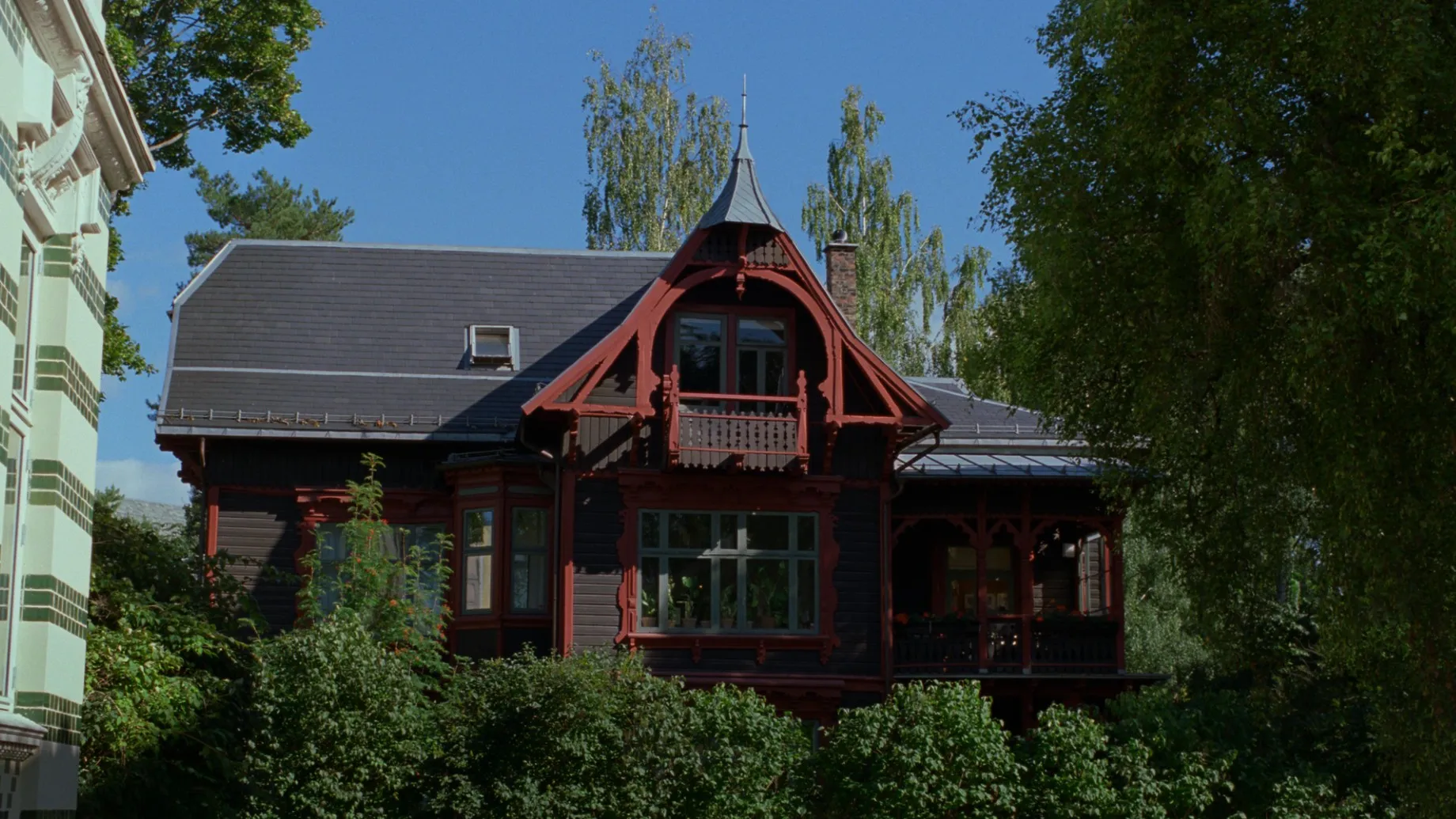
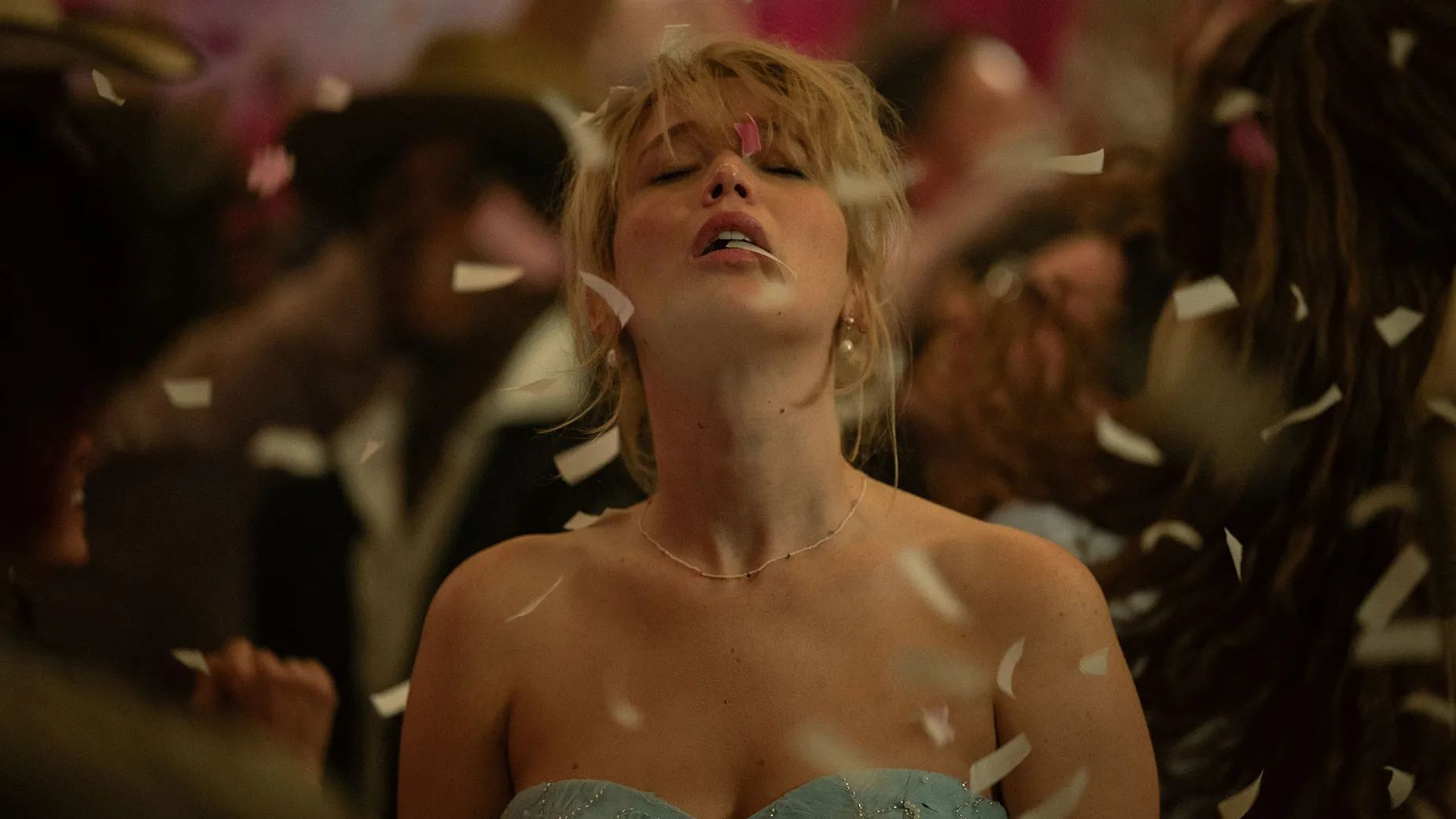
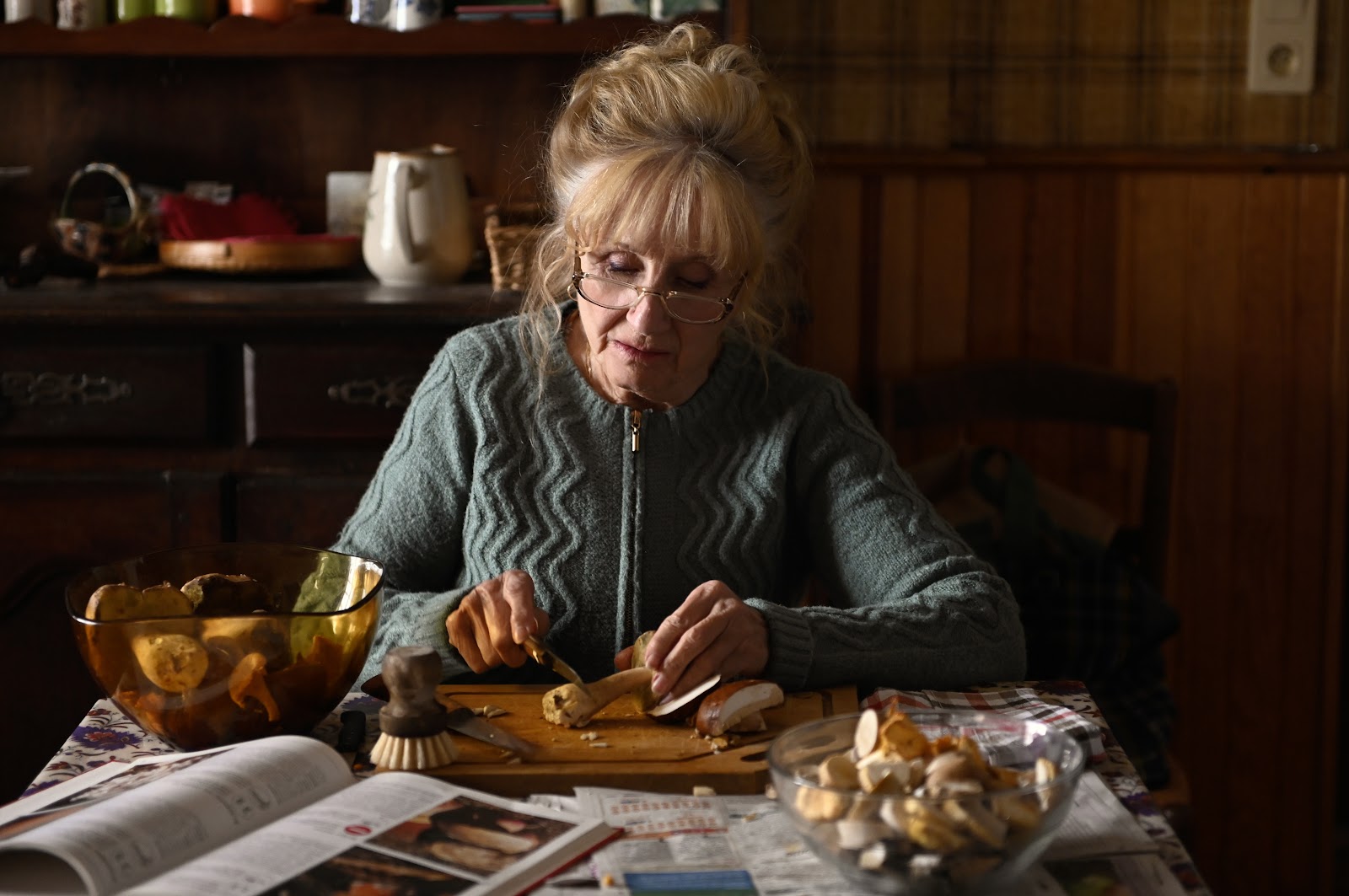
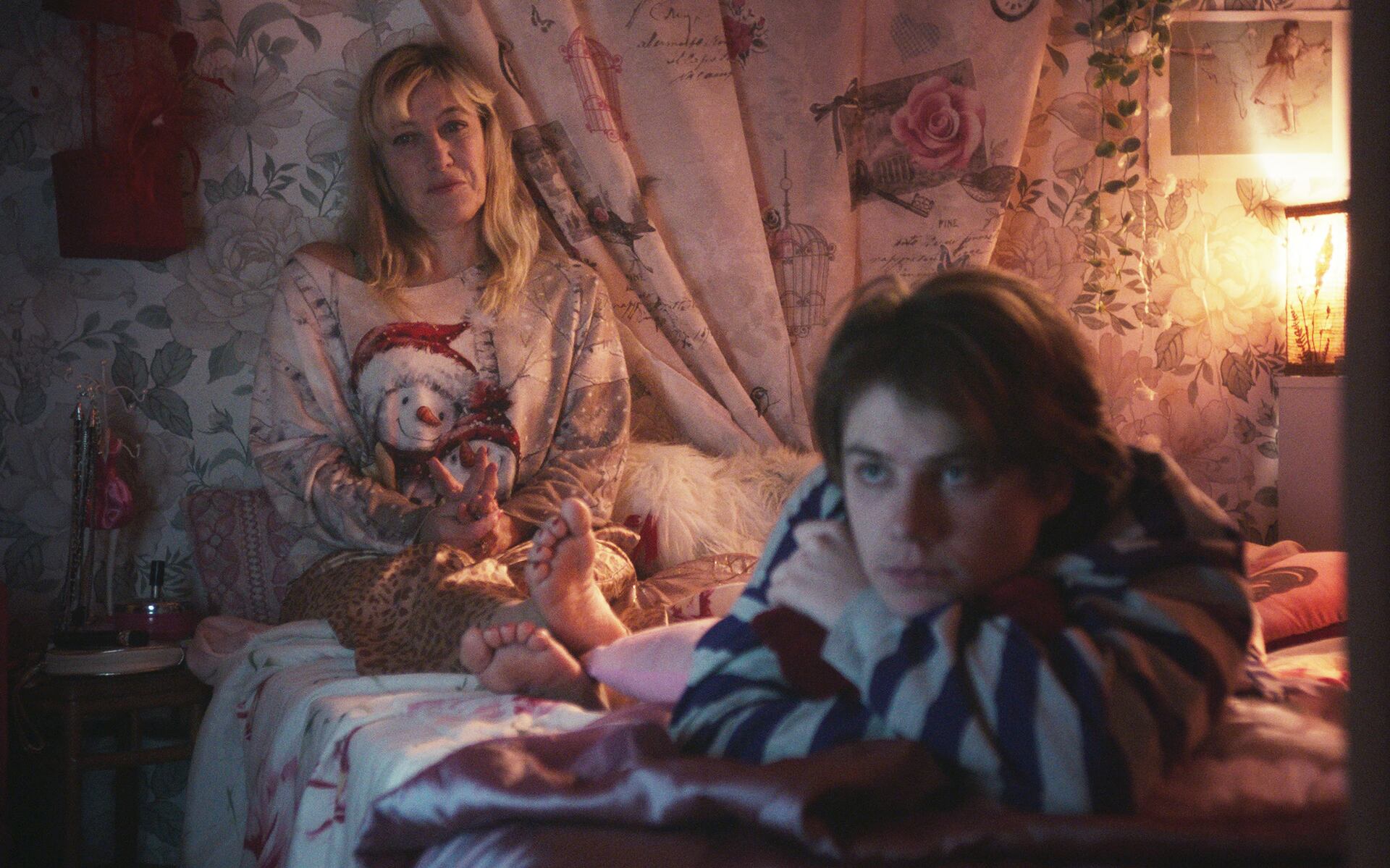
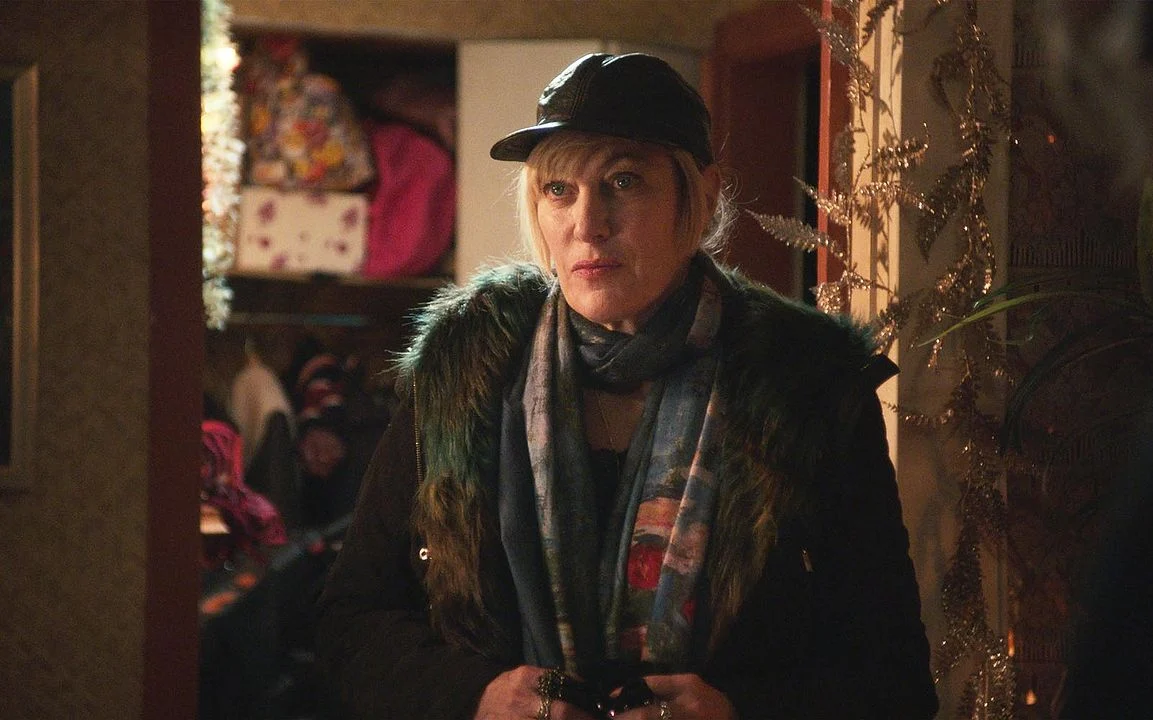
Stills from Une vie rêvée (2024), directed by Morgan Simon. © Mirada Distribution.

Stills from Une vie rêvée (2024), directed by Morgan Simon. © Mirada Distribution.

Director Morgan Simon invites us to reflect on and question, in the midst of the twenty first century, the notions of consumption, normality and western stereotypes through the eyes of a mother.

Director Morgan Simon invites us to reflect on and question, in the midst of the twenty first century, the notions of consumption, normality and western stereotypes through the eyes of a mother.

Author

Luciana Trost

Date

November 1, 2024

Share 

“It is easier to imagine the end of the world than the end of capitalism” is the phrase attributed to the philosopher Mark Fisher, although also to Slavoj Žižek, in connection with their analysis of contemporary life found in Fisher’s book Capitalist Realism (2009). In this sense, Somewhere in love, or Une vie rêvée in its original title, the new film by French director Morgan Simon, puts into question several cliché aspects of modernity that had been socially agreed upon until just a few decades ago and that still permeate the collective unconscious of many societies. Among these are the traditional nuclear family, family celebrations, heteronormativity, insensitive masculinities and the provider male figure, to name only a few.

Nicole (Valeria Bruni), a fifty two year old mother, has lost her job and lives in the suburbs of France with Serge (Félix Lefebvre), her young son who studies biology. In a blend of tragedy and comedy, she discovers during a visit to the bank that her finances are in ruins, with a debt of forty thousand euros. Frustrated by this situation and by being rejected from jobs for being considered too old or for living far from central Paris, Nicole decides to spend Christmas in her small and modest apartment with her son. A heated argument leads them to distance themselves for almost a week when Serge decides to stay with his new girlfriend. This interval becomes essential for the development of the story. From this point on, a series of events prompt a new way of thinking in the protagonist, leading to an epiphany about how to rethink her life, what she truly wants to do with it (the hardest thing to know), and with whom and how she wishes to relate.

“It is easier to imagine the end of the world than the end of capitalism” is the phrase attributed to the philosopher Mark Fisher, although also to Slavoj Žižek, in connection with their analysis of contemporary life found in Fisher’s book Capitalist Realism (2009). In this sense, Somewhere in love, or Une vie rêvée in its original title, the new film by French director Morgan Simon, puts into question several cliché aspects of modernity that had been socially agreed upon until just a few decades ago and that still permeate the collective unconscious of many societies. Among these are the traditional nuclear family, family celebrations, heteronormativity, insensitive masculinities and the provider male figure, to name only a few.

Nicole (Valeria Bruni), a fifty two year old mother, has lost her job and lives in the suburbs of France with Serge (Félix Lefebvre), her young son who studies biology. In a blend of tragedy and comedy, she discovers during a visit to the bank that her finances are in ruins, with a debt of forty thousand euros. Frustrated by this situation and by being rejected from jobs for being considered too old or for living far from central Paris, Nicole decides to spend Christmas in her small and modest apartment with her son. A heated argument leads them to distance themselves for almost a week when Serge decides to stay with his new girlfriend. This interval becomes essential for the development of the story. From this point on, a series of events prompt a new way of thinking in the protagonist, leading to an epiphany about how to rethink her life, what she truly wants to do with it (the hardest thing to know), and with whom and how she wishes to relate.

“It is easier to imagine the end of the world than the end of capitalism” is the phrase attributed to the philosopher Mark Fisher, although also to Slavoj Žižek, in connection with their analysis of contemporary life found in Fisher’s book Capitalist Realism (2009). In this sense, Somewhere in love, or Une vie rêvée in its original title, the new film by French director Morgan Simon, puts into question several cliché aspects of modernity that had been socially agreed upon until just a few decades ago and that still permeate the collective unconscious of many societies. Among these are the traditional nuclear family, family celebrations, heteronormativity, insensitive masculinities and the provider male figure, to name only a few.

Nicole (Valeria Bruni), a fifty two year old mother, has lost her job and lives in the suburbs of France with Serge (Félix Lefebvre), her young son who studies biology. In a blend of tragedy and comedy, she discovers during a visit to the bank that her finances are in ruins, with a debt of forty thousand euros. Frustrated by this situation and by being rejected from jobs for being considered too old or for living far from central Paris, Nicole decides to spend Christmas in her small and modest apartment with her son. A heated argument leads them to distance themselves for almost a week when Serge decides to stay with his new girlfriend. This interval becomes essential for the development of the story. From this point on, a series of events prompt a new way of thinking in the protagonist, leading to an epiphany about how to rethink her life, what she truly wants to do with it (the hardest thing to know), and with whom and how she wishes to relate.

Stills from Une vie rêvée (2024), directed by Morgan Simon.  © Mirada Distribution.

Stills from Une vie rêvée (2024), directed by Morgan Simon. © Mirada Distribution.


Stills from Une vie rêvée (2024), directed by Morgan Simon. © Mirada Distribution.


It may sound a little cliché to say that moments of crisis are also moments of new opportunities, but we cannot ignore the fact that this is indeed the case. These are the situations in which we can question our reality thanks to the moment of pause, allowing ourselves to move closer to what we want, seeking new perspectives and new ways of seeing things through contingency and renewed thought. This is how Nicole, in the midst of a depression tied to her financial crisis and her son’s absence, turns her attention to the other; Norah, the other in this case, the owner of a café across from her building, offers her shelter in her shop, inviting her for coffee, to parties and, most importantly, offering her a space to talk and rethink her present, almost like a psychoanalytic session. Her attention also shifts toward her neighbors, characters who until then had seemed marginal to her out of sheer prejudice, mainly based on their appearance.

It may sound a little cliché to say that moments of crisis are also moments of new opportunities, but we cannot ignore the fact that this is indeed the case. These are the situations in which we can question our reality thanks to the moment of pause, allowing ourselves to move closer to what we want, seeking new perspectives and new ways of seeing things through contingency and renewed thought. This is how Nicole, in the midst of a depression tied to her financial crisis and her son’s absence, turns her attention to the other; Norah, the other in this case, the owner of a café across from her building, offers her shelter in her shop, inviting her for coffee, to parties and, most importantly, offering her a space to talk and rethink her present, almost like a psychoanalytic session. Her attention also shifts toward her neighbors, characters who until then had seemed marginal to her out of sheer prejudice, mainly based on their appearance.

It may sound a little cliché to say that moments of crisis are also moments of new opportunities, but we cannot ignore the fact that this is indeed the case. These are the situations in which we can question our reality thanks to the moment of pause, allowing ourselves to move closer to what we want, seeking new perspectives and new ways of seeing things through contingency and renewed thought. This is how Nicole, in the midst of a depression tied to her financial crisis and her son’s absence, turns her attention to the other; Norah, the other in this case, the owner of a café across from her building, offers her shelter in her shop, inviting her for coffee, to parties and, most importantly, offering her a space to talk and rethink her present, almost like a psychoanalytic session. Her attention also shifts toward her neighbors, characters who until then had seemed marginal to her out of sheer prejudice, mainly based on their appearance.

A new way of thinking emerges in the protagonist: how to rethink her life, what she truly wants to do with it, and with whom and how she wants to relate.

A new way of thinking emerges in the protagonist: how to rethink her life, what she truly wants to do with it, and with whom and how she wants to relate.

A new way of thinking emerges in the protagonist: how to rethink her life, what she truly wants to do with it, and with whom and how she wants to relate.

Here we understand that the director guides us toward a political reading of the film, hinting at the social, political and economic context not only of France but of the entire world, marked by the rise of far right movements, job insecurity and social inequalities. In the fog of daily life Nicole had not been able to pay attention to her immediate reality, whether her son, her neighbors or Norah. Only through this turning point in her life does she begin to do so.
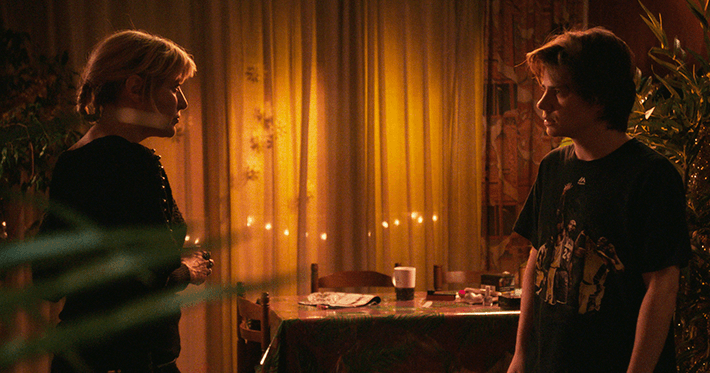
Here we understand that the director guides us toward a political reading of the film, hinting at the social, political and economic context not only of France but of the entire world, marked by the rise of far right movements, job insecurity and social inequalities. In the fog of daily life Nicole had not been able to pay attention to her immediate reality, whether her son, her neighbors or Norah. Only through this turning point in her life does she begin to do so.

Here we understand that the director guides us toward a political reading of the film, hinting at the social, political and economic context not only of France but of the entire world, marked by the rise of far right movements, job insecurity and social inequalities. In the fog of daily life Nicole had not been able to pay attention to her immediate reality, whether her son, her neighbors or Norah. Only through this turning point in her life does she begin to do so.

Stills from Une vie rêvée (2024), directed by Morgan Simon. © Mirada Distribution.

This shows how the prejudice inherent in all of us, simply because we do not know the other, leads us to construct an unreal version of reality that generates hostile and discriminatory environments. Nicole’s relationship with Norah intensifies; Norah offers her refuge, kindness and an affectionate bond that seems unlike anything Nicole has experienced before.

Une vie rêvée which could just as well be titled A Reconsidered Life is one of those French films that is both simple and complex, that brings to the screen what is alive, possible and real in life, with a hint of a final moral, though without being moralizing, and that remains a pleasure to watch in the cinema.

This shows how the prejudice inherent in all of us, simply because we do not know the other, leads us to construct an unreal version of reality that generates hostile and discriminatory environments. Nicole’s relationship with Norah intensifies; Norah offers her refuge, kindness and an affectionate bond that seems unlike anything Nicole has experienced before.

Une vie rêvée which could just as well be titled A Reconsidered Life is one of those French films that is both simple and complex, that brings to the screen what is alive, possible and real in life, with a hint of a final moral, though without being moralizing, and that remains a pleasure to watch in the cinema.

Share 
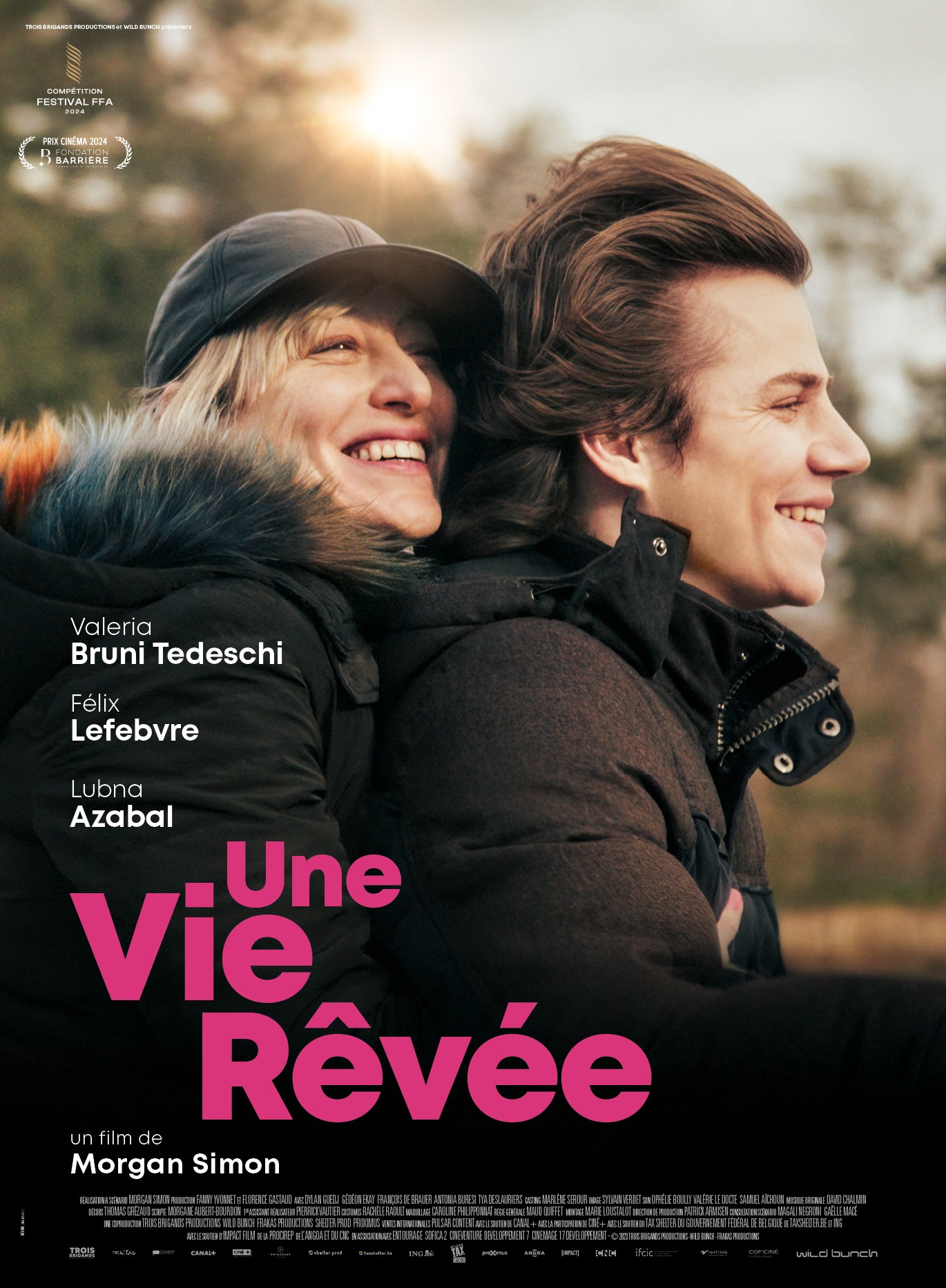
Film credits

Original title

Une vie rêvée

Year

2024

COUNTRY

France

Director

Morgan Simon

Screenplay

Morgan Simon

Cast

Valeria Bruni Tedeschi, Félix Lefebvre, Lubna Azabal, Dylan Guedj, Gédéon Ekay, François De Brauer, Antonia Buresi, Tya Deslauriers

Music

David Chalmin

Cinematography

Sylvain Verdet

Production companies

Frakas Productions, Trois Brigands Productions, Wild Bunch

Distributor

Wild Bunch Distribution (France) and Mirada Distribution (Argentina)

⁠Genre

Comedy | Drama