Drama
author
Luciana Trost
Date
March 20, 2026
Share
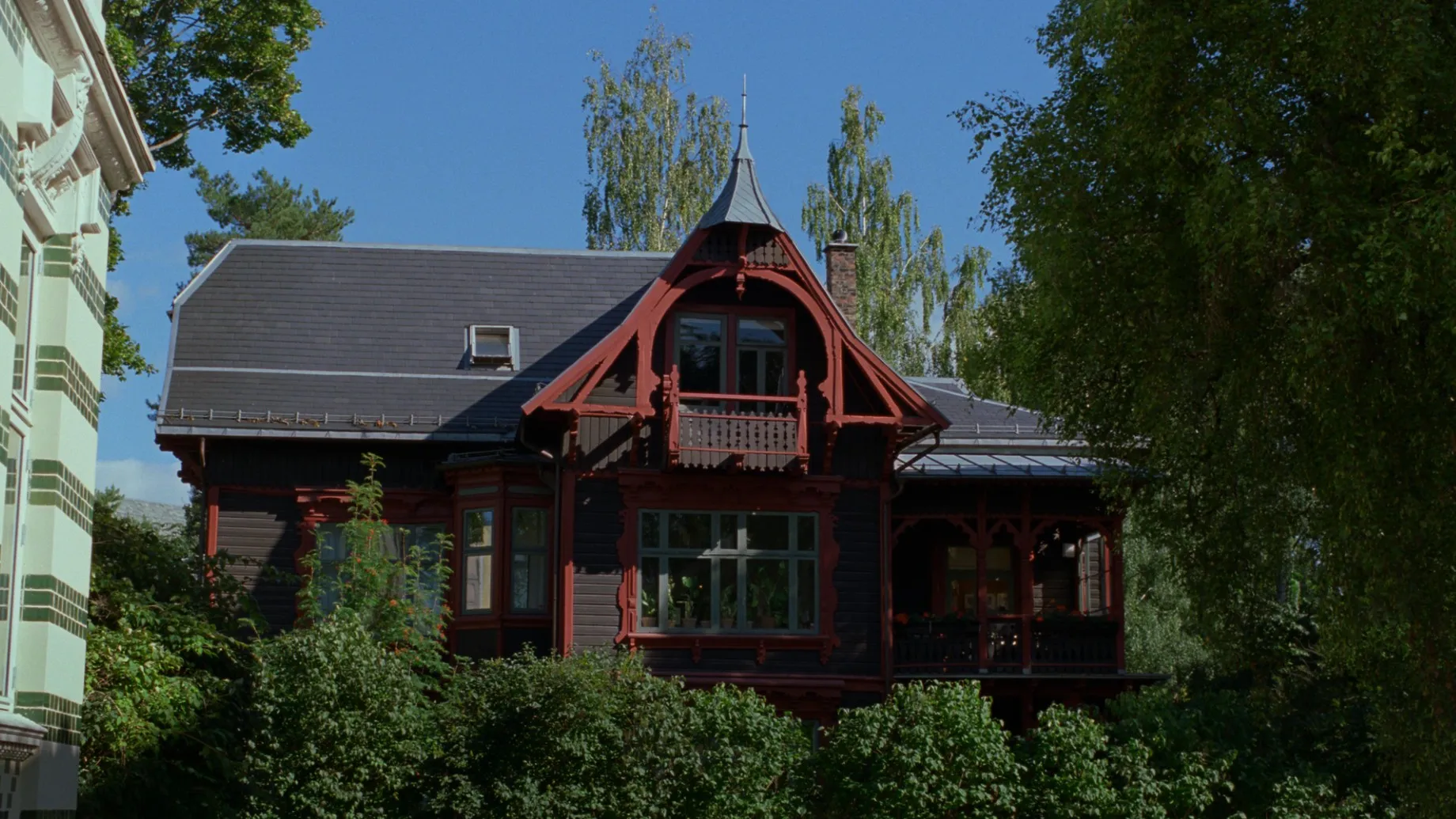
The objects that accompany us throughout our lives carry sentimental value: our clothes, the furniture around us, the letters—or why not, papers and notes—we once wrote or that were written to us, the ornaments that decorate our homes—whether recent or inherited from our families—the gifts we have received, our own bodies as a territory or palimpsest on which marks have been left, traces of the past. All of this forms a corpus, a field of memories that gradually shapes us as social and historical beings and, therefore, also as members of families. The story proposed by Trier points to the very core of the signifier “sentimental value.” For the director—and also for his screenwriter Eskil Vogt—this concept resides in the house, the home where the story’s protagonist family was formed and lived, and which has witnessed the lives of the different generations who inhabited it.

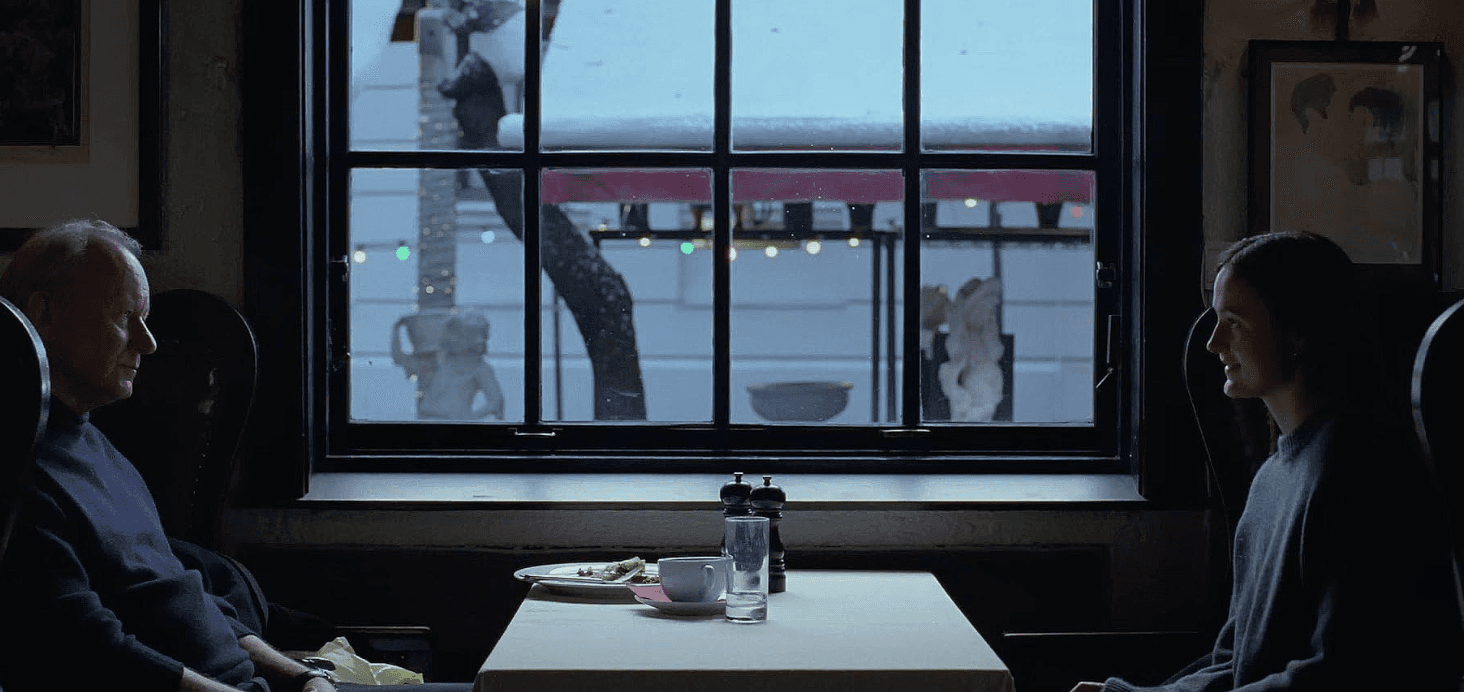
The story could be summarized as follows: Nora and Agnes Borg are the daughters of a great film director, Gustav Borg, with whom they maintain a distant relationship. Nora is a well-known stage actress and is single, while her sister Agnes is a historian who has managed to build a family. Their mother’s death becomes the starting point of the story, because from that moment their father reappears in their lives. Not only does he return suddenly and at a rather inopportune moment—in the painful context of mourning—but shortly afterward Gustav offers Nora the leading role in his next film, based precisely on her life. Nora refuses the part, offended by her father’s absence over so many years. The role is eventually offered to a young and extremely famous actress, Rachel Kemp—played by Elle Fanning—who gradually begins to embody Nora, attempting to study her like a method actress. Some time later, Nora decides to read the screenplay of the film, convinced by her sister who—while still showing a certain resistance—reads it and perceives something beautiful that their father has managed to capture and rescue from that father-daughters relationship. This is where the story takes on another rhythm, another dynamic that, for obvious reasons, we will not detail here, but that will redirect the course of the story of that film.
From an aesthetic point of view, Sentimental Value offers beautiful scenes with very poetic camera shots and movements typical of European cinema, such as slow frontal and lateral travellings and wide establishing shots accompanied by nostalgic and serene extradiegetic music that precisely recreates the atmosphere of certain scenes. The metalinguistic device is present throughout the film: theater within cinema and cinema within this same film.
If there can be any message—at least what the director and screenwriter seem to point out—it is that life and time pass for all of us. No one is spared from it. Sometimes we feel that if we tried to grasp life with our hands or stop time, it would slip through our fingers, and that at some point it becomes necessary to forget certain resentments, to learn to yield in order to move forward, or even to forgive and live in peace with others but, above all, with ourselves.
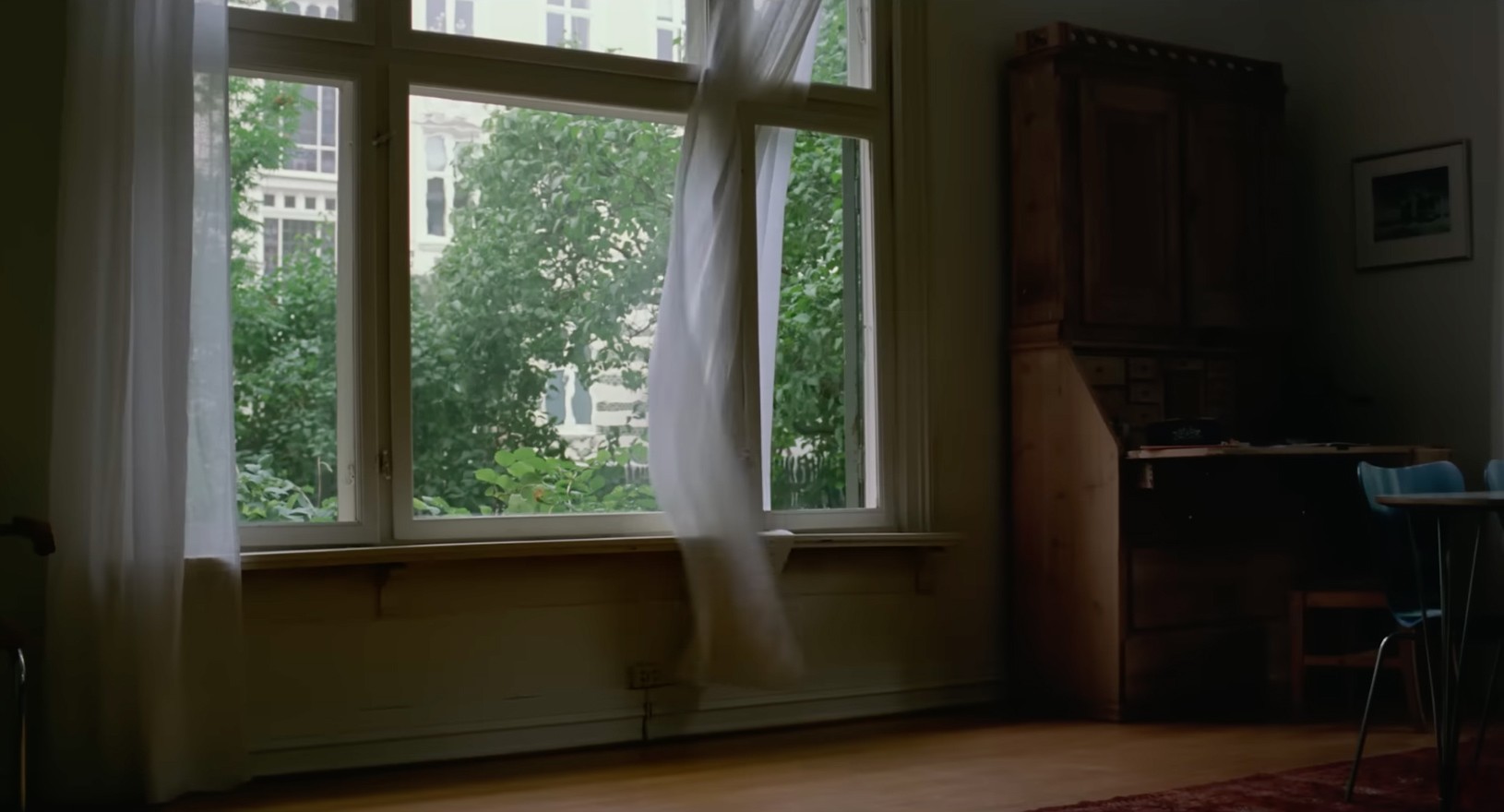

Here, sentimental value is a house—one that breathes and beats in rhythm with each of the people who have lived in it. Each viewer will know which objects represent that sentimental value with the meaning the film seeks to convey. But they all share something, without exception: they refer us to a memory of which only we or our loved ones are witnesses and can understand. A unique, emotional code that turns those objects into artifacts with essence, entities with history and life—perhaps even a little human.
Share

Film credits
Original title
Sentimental Value
Year
2025
COUNTRY
Norway
Director
Joachim Trier
Screenplay
Joachim Trier, Eskil Vogt
Cast
Renate Reinsve, Stellan Skarsgård, Inga Ibsdotter Lilleaas, Elle Fanning, Anders Danielsen Lie, Cory Michael Smith, Lena Endre, Jesper Christensen, Catherine Cohen, Jonas Jacobsen, Bjørn Alexander, Pia Borgli
Music
Hania Rani
Cinematography
Kasper Tuxen
Production companies
Co-production Norway-France-Denmark-Germany-United Kingdom; MER Film, Eye Eye Pictures, Lumen Production, Komplizen Film, BBC Film, Zentropa Productions, MK2 Productions
Distributor
North America: Neon (film distributor); UK, Ireland, Latin America, Turkey, and India: Mubi; France: Memento (film distributor); Sweden: TriArt Film; Sales agent: mk2 Films; Production companies: Mer Film and Eye Eye Pictures.
Genre
Drama | Family Relationships. Paternity. Film In Film