Cinema
Film review
Drama
Adaptations: “The Human Voice” by Pedro Almodóvar
Date
January 22, 2026
Share
Jean Cocteau (1889–1963) was a poet, playwright, art critic, painter, and French film director, as well as a close friend of major artistic figures such as Picasso, Modigliani, and the singer Édith Piaf. Some of his most renowned films include The Blood of a Poet (his first surrealist film, directed in 1930), Beauty and the Beast (1945), and Orpheus (1950), along with plays such as The Terrible Parents (1938) and The Eagle with Two Heads (1943). Cocteau distinguished himself in nearly every artistic field he chose to explore, immersing himself in the avant-garde movements of the 1920s and standing out in theater, cinema, dramaturgy, and painting. In 1930, he wrote The Human Voice, a long monologue that premiered at the Comédie Française in Paris and became one of his most celebrated literary works. He dedicated it to Édith Piaf, his close friend, although she never dared to perform the role.
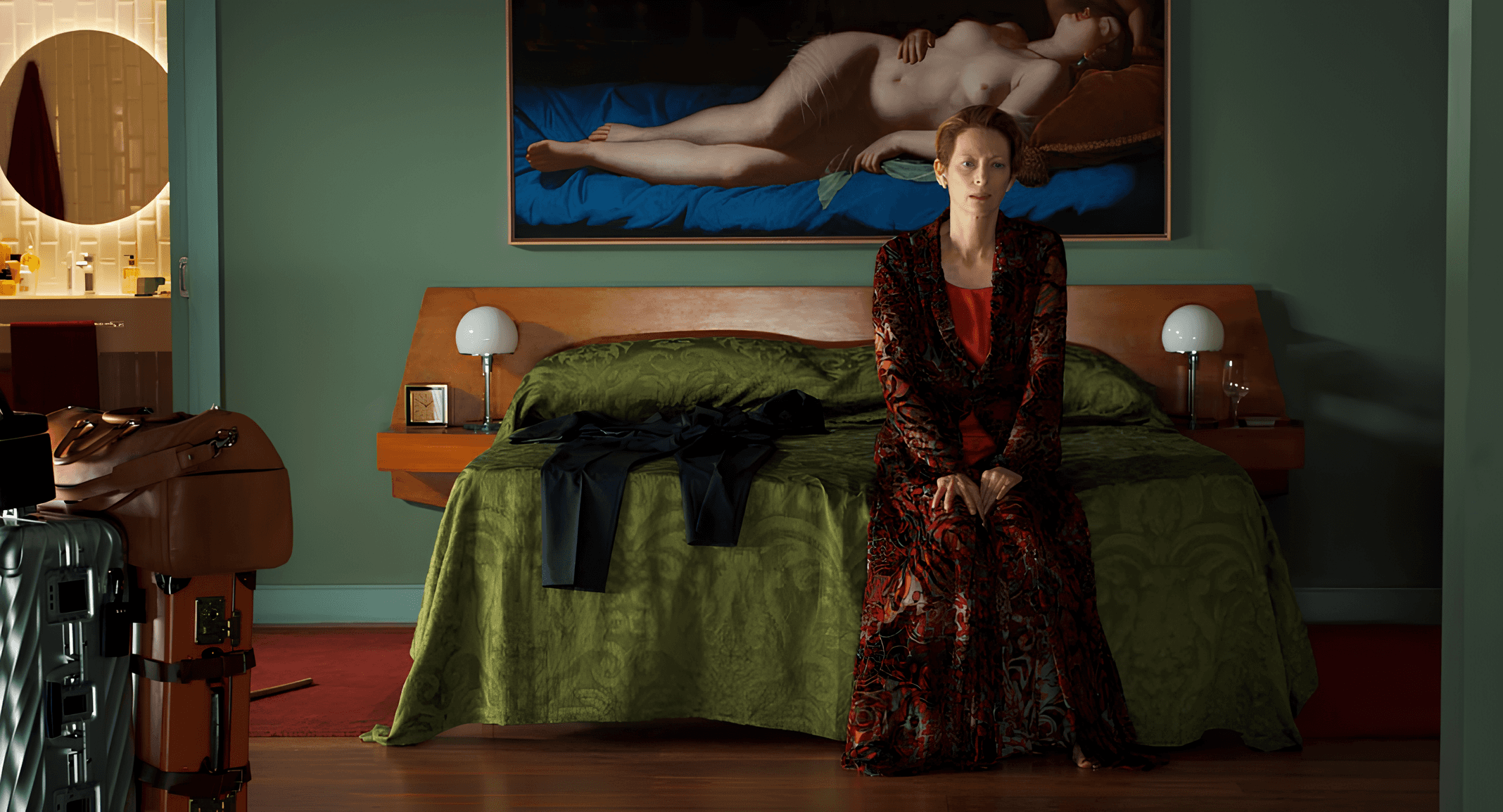
The Human Voice tells the story of a woman abandoned by her lover, desperate to win him back and to hear his voice on the telephone one last time, prolonging the conversation in any way she can. What interests us in particular is the submission the woman shows toward her lover in Cocteau’s drama (“Oh, my love, do not apologize, it is natural and I am the foolish one”) and how this element takes a radically different turn in Pedro Almodóvar’s film adaptation. We offer a spoiler alert for those who have not yet seen the short film.


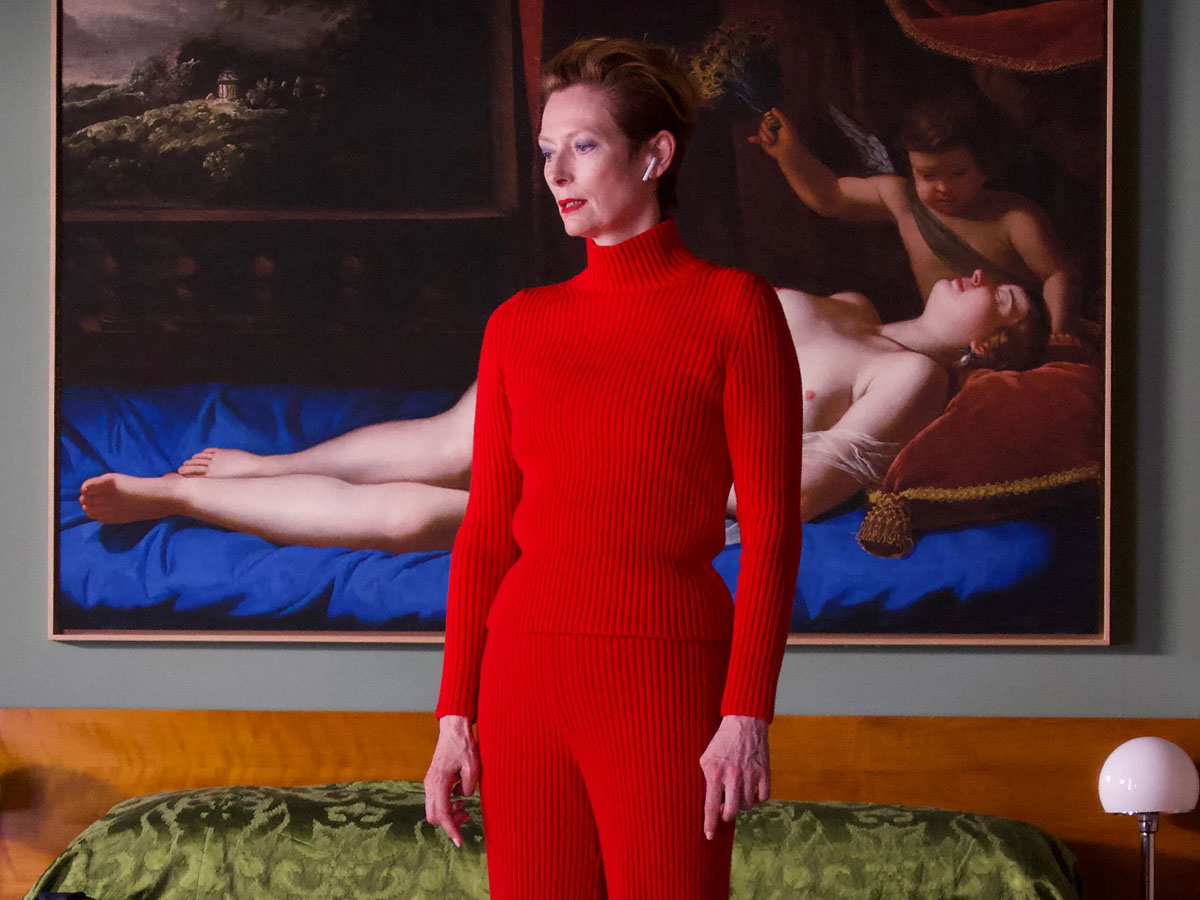
In Cocteau’s work, we witness a woman shattered by heartbreak and willing to do anything, even attempting to take her own life, in the hope of recovering a love she already knows is lost. Her submissive posture is evident. Although the text does not include the responses of her interlocutor, this becomes clear through the way she replies. The result is a supplicating and painful monologue that attempts to bring back to the surface a love that has already sunk.
Share