FILM REVIEWS
FILM REVIEWS
Poor Things: Opening Minds

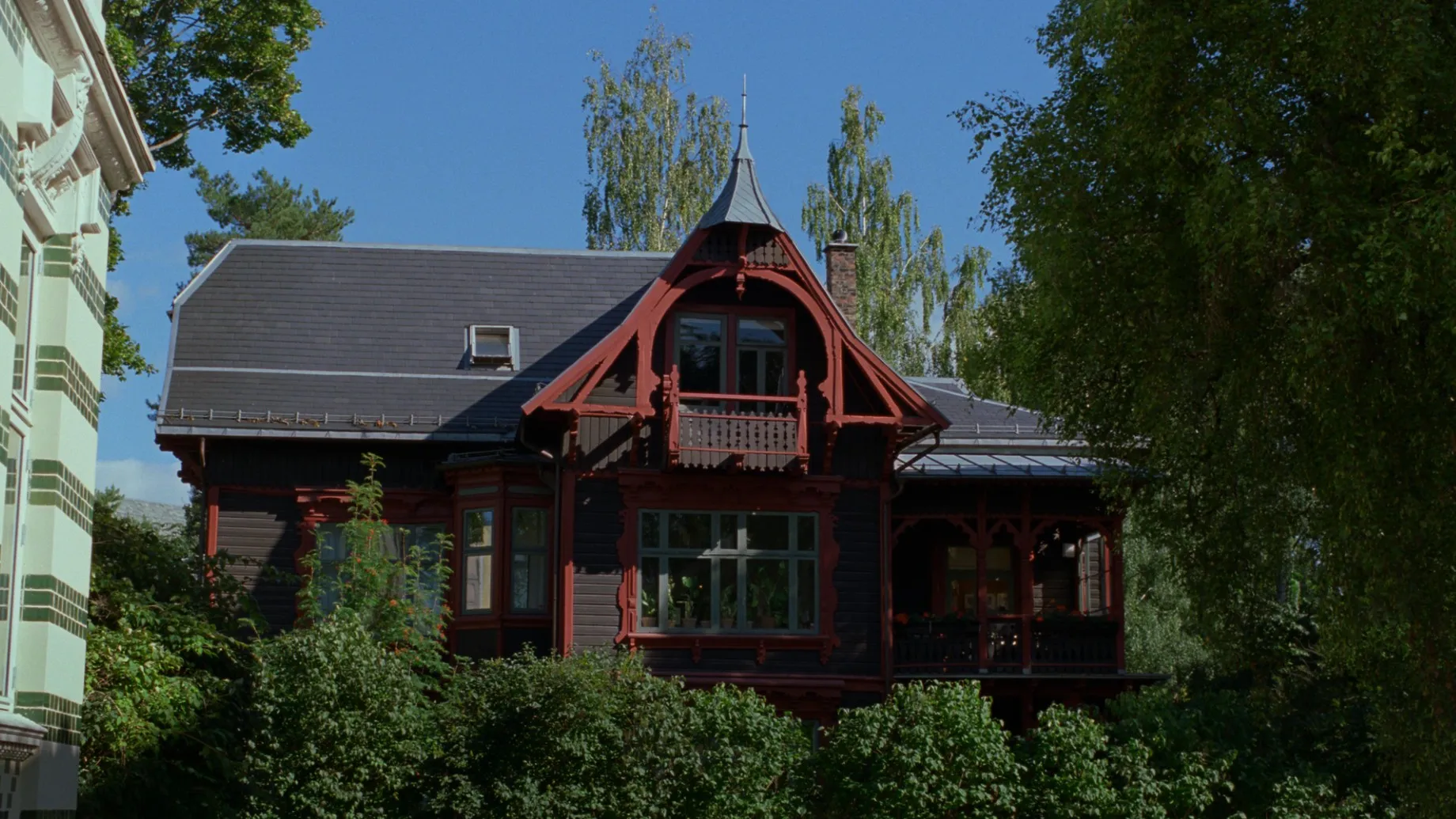
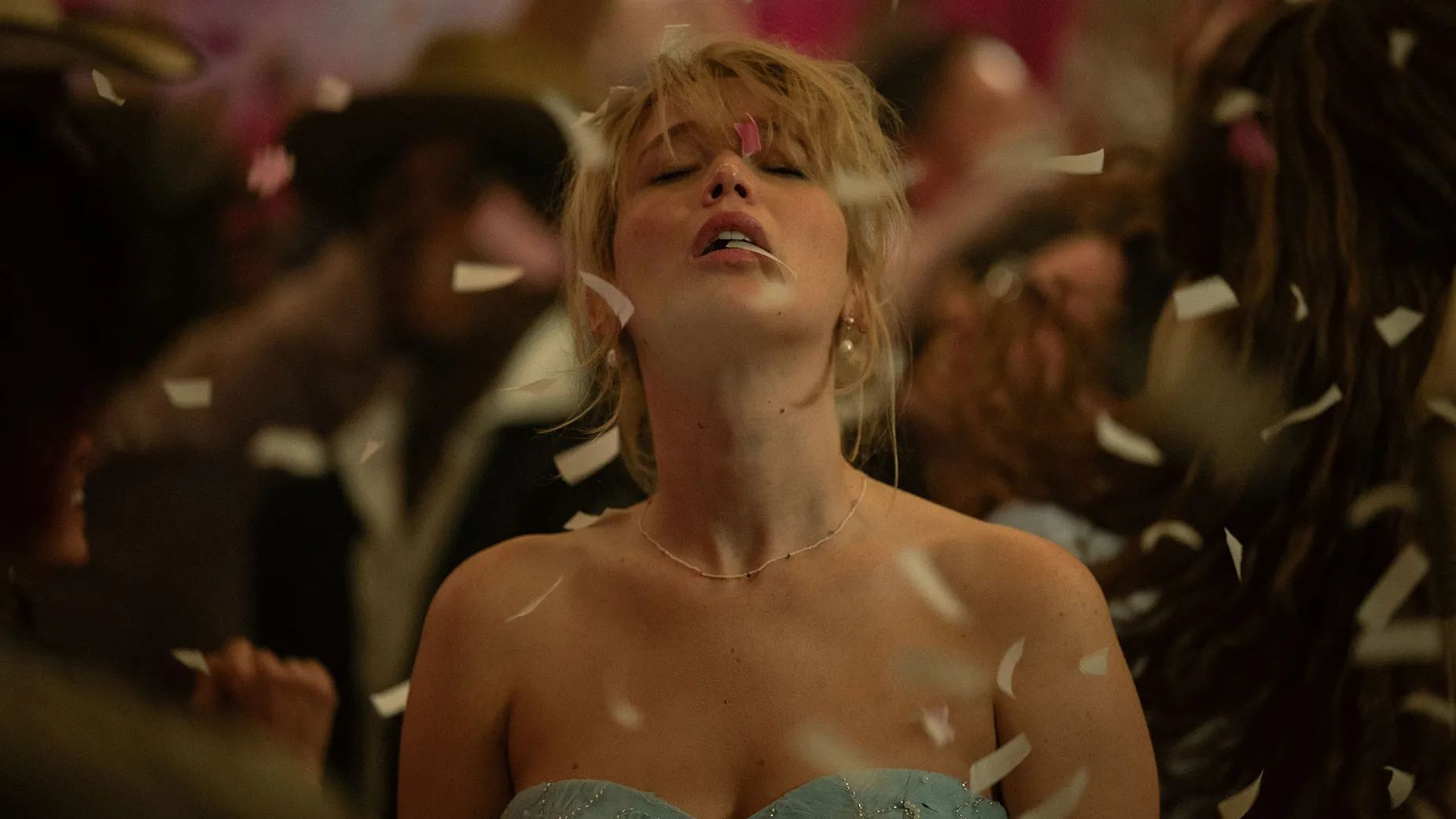
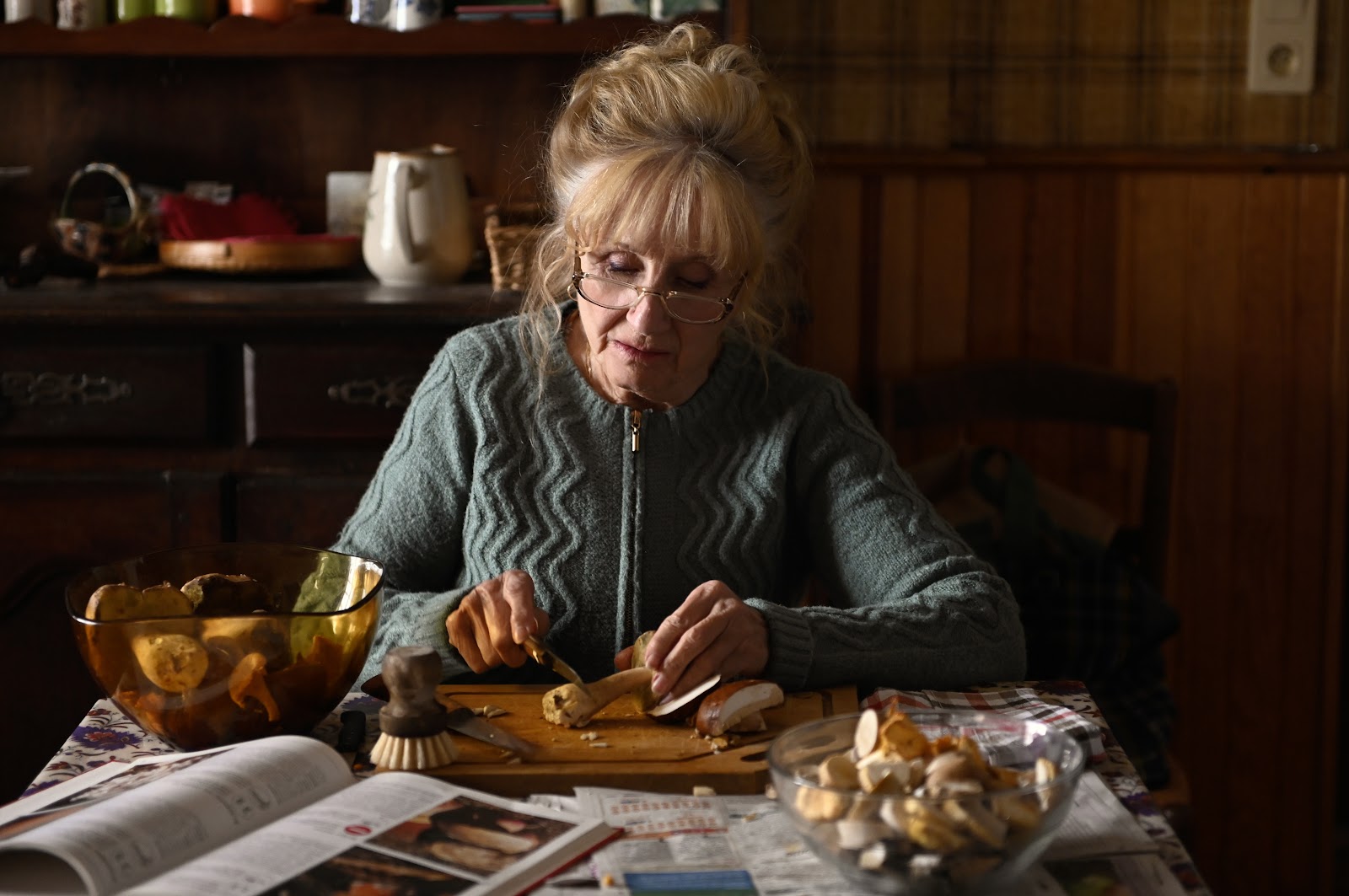
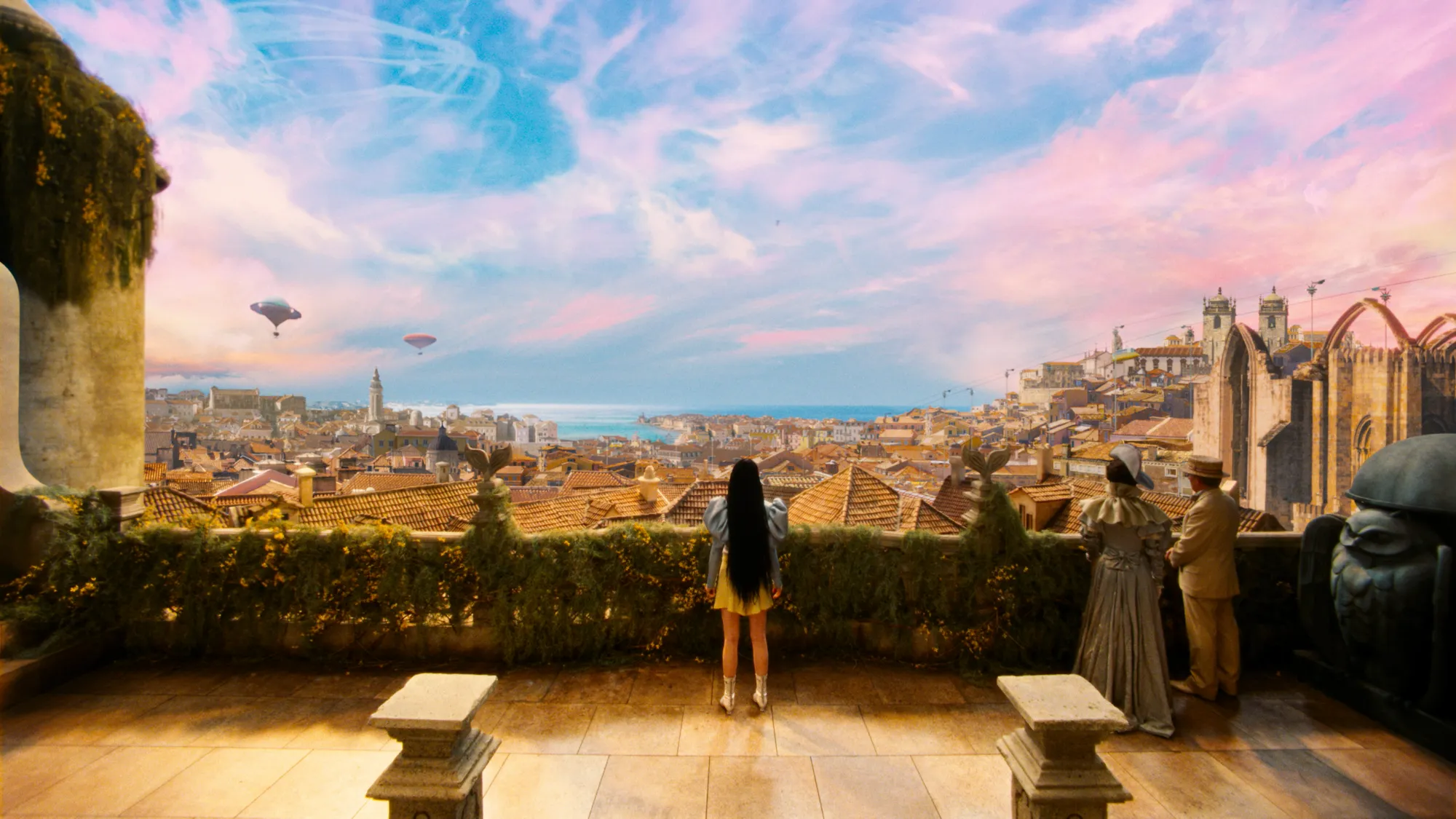
Stills from Poor Things (2023), directed by Yorgos Lanthimos. © Searchlight Pictures.

Stills from Poor Things (2023), directed by Yorgos Lanthimos. © Searchlight Pictures.
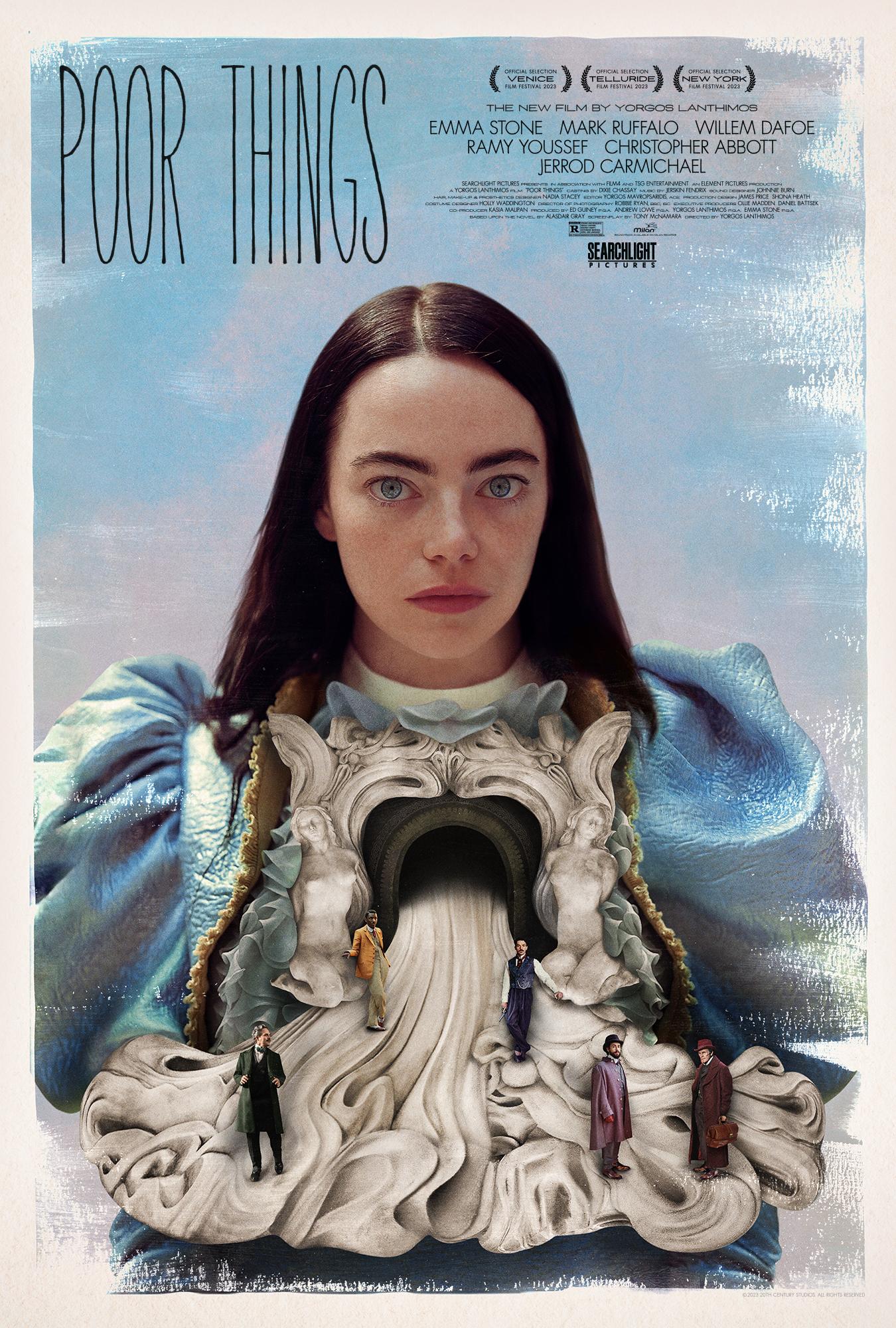
In 2023 Yorgos Lanthimos burst onto the big screen with what we could call one of his masterpieces, a work whose visual and sonic impact is unprecedented in his filmography.
Author
Luciana Trost
Date
December 8, 2025
Share
Those already familiar with the cinematic language of the Greek director know the peculiar strangeness he relies on, not only in the themes he addresses, which are ultimately issues that concern the human condition, but also in his aesthetic choices. His stories present, in unconventional ways and through a disruptive, dystopian, dreamlike and fantastical approach, the norms and frameworks of the social world from which we can hardly escape as social and cultural beings unless we engage in reflection. Fiction becomes a means for that. This is precisely where the essence of his cinema lies. Like the rest of Lanthimos’s film corpus, and here we recommend Dogtooth, The Killing of a Sacred Deer, The Lobster and Nimic, a short film, Poor Things tends to overflow the familiar.
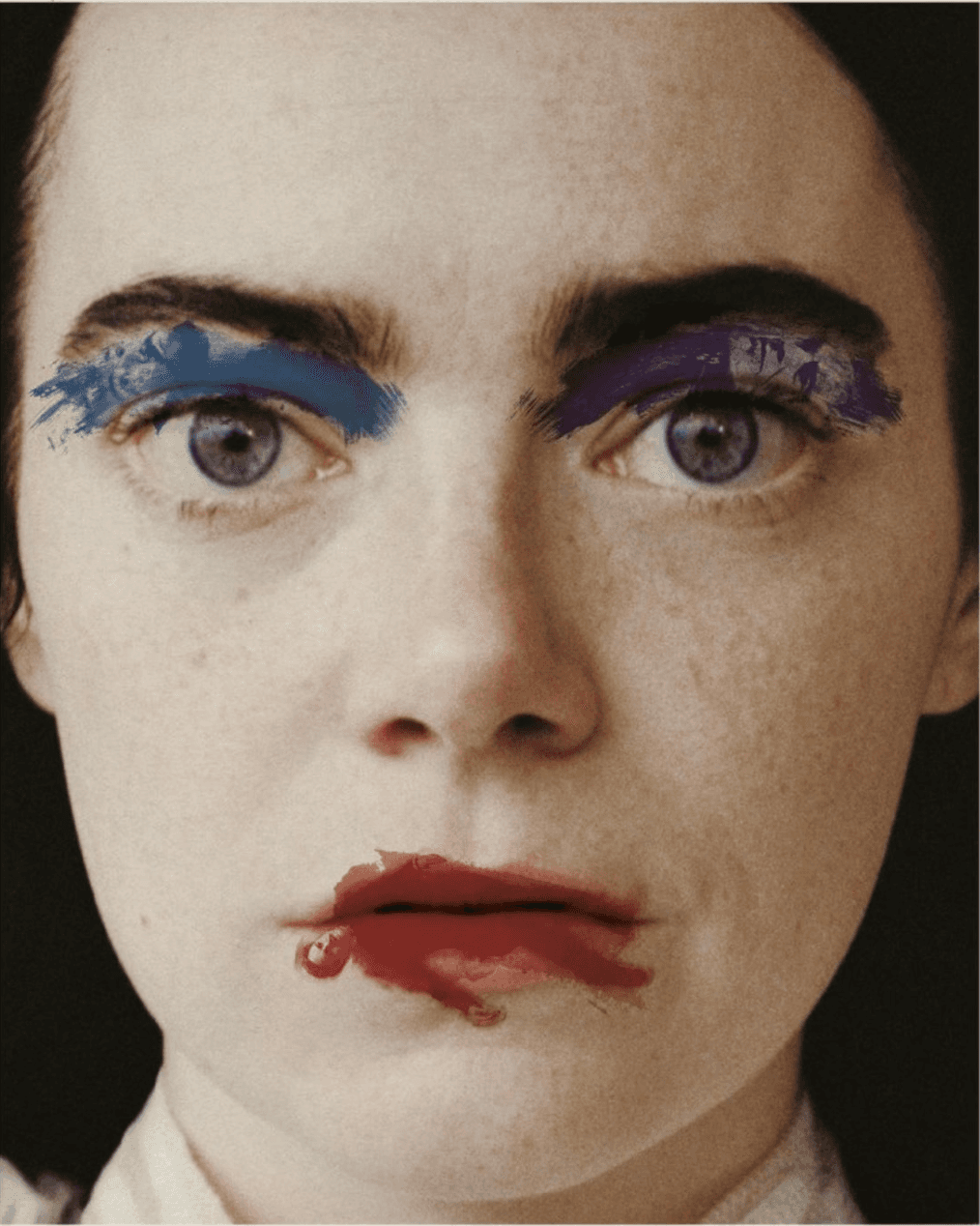

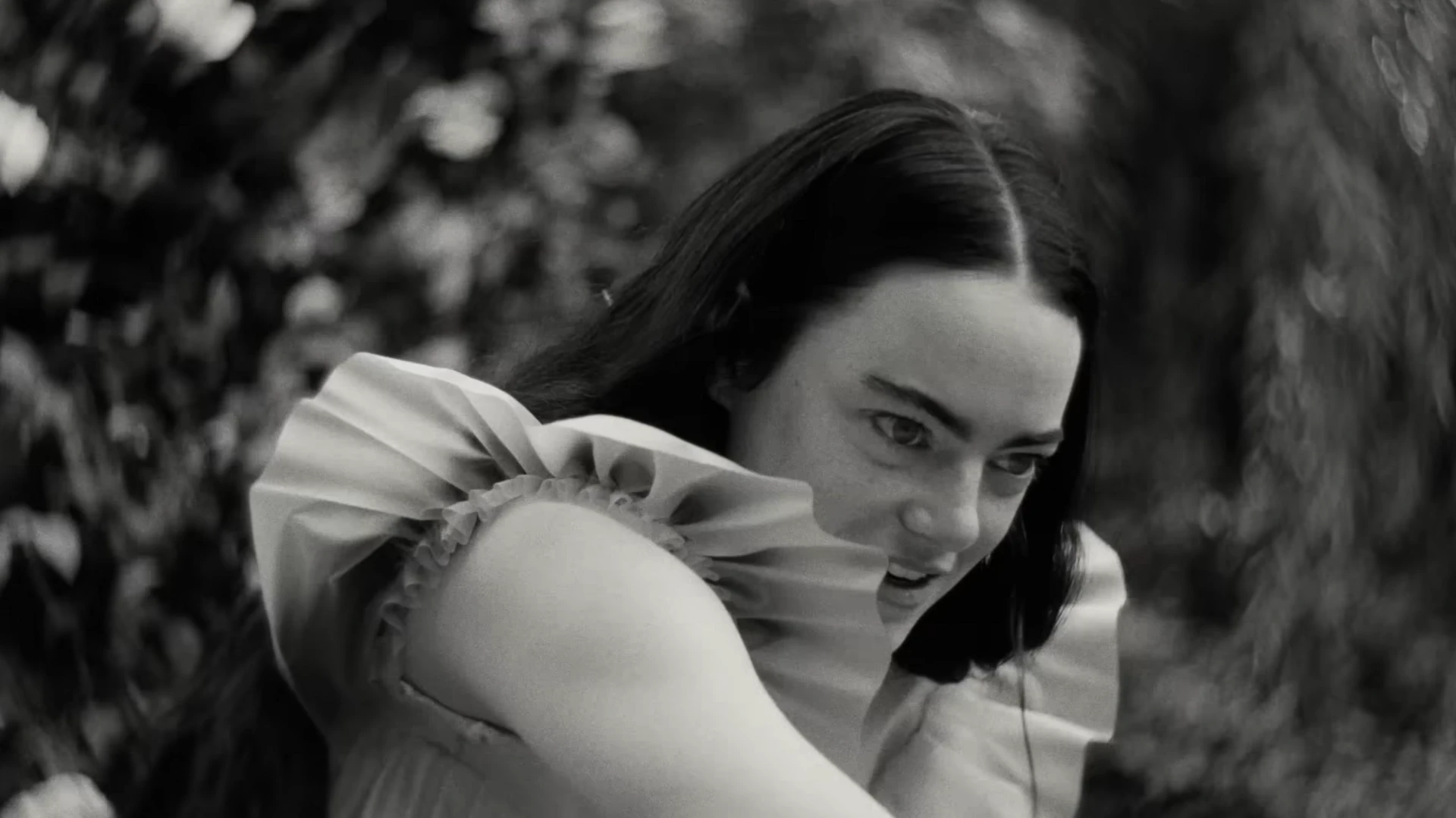


Stills from Poor Things (2023), directed by Yorgos Lanthimos. © Searchlight Pictures.
Poor Things is an adaptation of the Scottish writer Alasdair Gray’s novel of the same name. It offers an examination of social inequality, identity and the social oppression that shapes human life, with a particular focus on the role women have played since the beginnings of modernity. We might place this starting point in the eighteenth century with the rise of the industrial era and the emergence of early and ferocious capitalism. The story continues through the present and follows the ways in which the protagonist Bella builds her own path outside the norm. Lanthimos pushes beyond fantasy, which is already abundant in adventure or science fiction cinema, and shapes it through his own strokes and colors, creating the world of Bella Baxter.
The plot also suggests a reworking of Mary Shelley’s classic Frankenstein. A pregnant young woman decides to take her life to escape her husband’s abuse. Godwin Baxter, a scientist devoted to creating human monsters through experimentation, rescues Bella’s body and brings her back to life using the brain of her baby. From that moment on, alternating drama and humor, the film traces Bella’s physical and psychological growth. It is a nonlinear development with its advances and setbacks.
Poor Things is an adaptation of the Scottish writer Alasdair Gray’s novel of the same name. It offers an examination of social inequality, identity and the social oppression that shapes human life, with a particular focus on the role women have played since the beginnings of modernity. We might place this starting point in the eighteenth century with the rise of the industrial era and the emergence of early and ferocious capitalism. The story continues through the present and follows the ways in which the protagonist Bella builds her own path outside the norm. Lanthimos pushes beyond fantasy, which is already abundant in adventure or science fiction cinema, and shapes it through his own strokes and colors, creating the world of Bella Baxter.
The plot also suggests a reworking of Mary Shelley’s classic Frankenstein. A pregnant young woman decides to take her life to escape her husband’s abuse. Godwin Baxter, a scientist devoted to creating human monsters through experimentation, rescues Bella’s body and brings her back to life using the brain of her baby. From that moment on, alternating drama and humor, the film traces Bella’s physical and psychological growth. It is a nonlinear development with its advances and setbacks.
Poor Things is an adaptation of the Scottish writer Alasdair Gray’s novel of the same name. It offers an examination of social inequality, identity and the social oppression that shapes human life, with a particular focus on the role women have played since the beginnings of modernity. We might place this starting point in the eighteenth century with the rise of the industrial era and the emergence of early and ferocious capitalism. The story continues through the present and follows the ways in which the protagonist Bella builds her own path outside the norm. Lanthimos pushes beyond fantasy, which is already abundant in adventure or science fiction cinema, and shapes it through his own strokes and colors, creating the world of Bella Baxter.
The plot also suggests a reworking of Mary Shelley’s classic Frankenstein. A pregnant young woman decides to take her life to escape her husband’s abuse. Godwin Baxter, a scientist devoted to creating human monsters through experimentation, rescues Bella’s body and brings her back to life using the brain of her baby. From that moment on, alternating drama and humor, the film traces Bella’s physical and psychological growth. It is a nonlinear development with its advances and setbacks.
“Poor Things revisits social inequality, identity, and oppression, with a particular focus on the role women have played from the beginnings of modernity through to the present”
Although the narrative is divided into several sections, two are especially evident to the viewer. The first is the black and white aesthetic in which Bella is confined to her home, forbidden from entering the world by order of her father Godwin, whom she calls God. The second bursts into color when Bella finally ventures out and discovers the world. The film also deserves special mention for its dissonant and at times cacophonous music, which is nonetheless beautiful and perfectly attuned to the sensations it conveys both visually and sonically.
Gilles Deleuze has written that new openings of the mind and new ways of thinking cannot be explained through microsurgery. Even so, science must strive to understand what may have occurred in the brain when a different mode of thought emerges. Opening minds is precisely the symbol that shows us the world does not have to be accepted as it is given. Despite the inevitable context that shapes us, we also create our own path and make our own decisions.
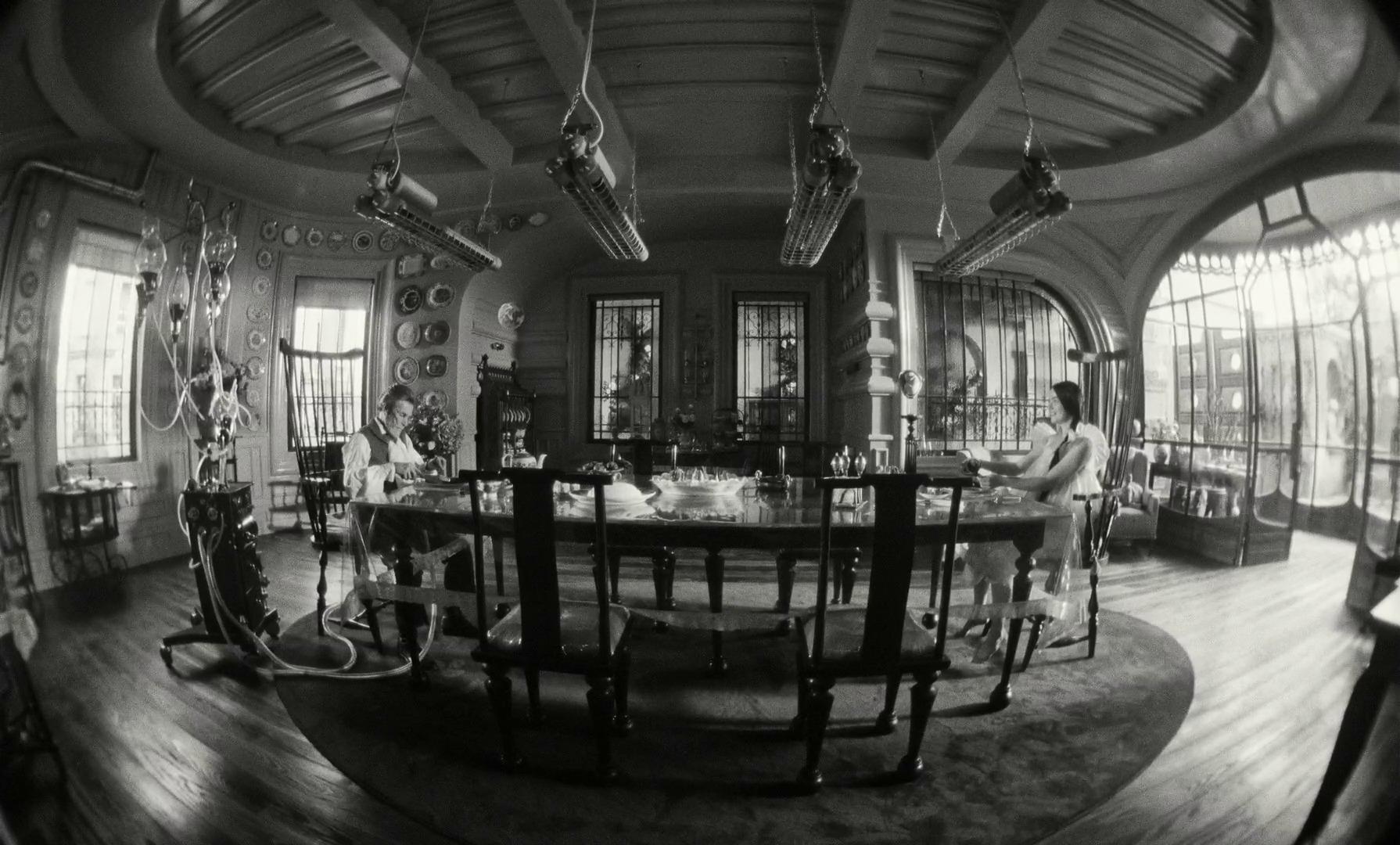
Although the narrative is divided into several sections, two are especially evident to the viewer. The first is the black and white aesthetic in which Bella is confined to her home, forbidden from entering the world by order of her father Godwin, whom she calls God. The second bursts into color when Bella finally ventures out and discovers the world. The film also deserves special mention for its dissonant and at times cacophonous music, which is nonetheless beautiful and perfectly attuned to the sensations it conveys both visually and sonically.
Gilles Deleuze has written that new openings of the mind and new ways of thinking cannot be explained through microsurgery. Even so, science must strive to understand what may have occurred in the brain when a different mode of thought emerges. Opening minds is precisely the symbol that shows us the world does not have to be accepted as it is given. Despite the inevitable context that shapes us, we also create our own path and make our own decisions.
Although the narrative is divided into several sections, two are especially evident to the viewer. The first is the black and white aesthetic in which Bella is confined to her home, forbidden from entering the world by order of her father Godwin, whom she calls God. The second bursts into color when Bella finally ventures out and discovers the world. The film also deserves special mention for its dissonant and at times cacophonous music, which is nonetheless beautiful and perfectly attuned to the sensations it conveys both visually and sonically.
Gilles Deleuze has written that new openings of the mind and new ways of thinking cannot be explained through microsurgery. Even so, science must strive to understand what may have occurred in the brain when a different mode of thought emerges. Opening minds is precisely the symbol that shows us the world does not have to be accepted as it is given. Despite the inevitable context that shapes us, we also create our own path and make our own decisions.



Explore Topics


Film credits
Original title
Poor Things
Year
2023
COUNTRY
Ireland
Director
Yorgos Lanthimos
Screenplay
Tony McNamara
Cast
Emma Stone, Mark Ruffalo, Willem Dafoe, Ramy Youssef, Christopher Abbott, Jerrod Carmichael, Kathryn Hunter, Margaret Qualley, Hanna Schygulla, Vicki Pepperdine, Suzy Bemba, Tom Stourton, Wayne Brett
Music
Jerskin Fendrix
Cinematography
Robbie Ryan
Production companies
Ireland–UK–USA co-production; Element Pictures, Film4 Productions, Fruit Tree, Fox Searchlight, TSG Entertainment.
Distributor
Fox Searchlight
Genre
Fantasy. Science Fiction. Comedy. Drama | Erotic. 19th Century. Magical Realism
MORE
film reviews
MORE
film reviews
MORE
film reviews
MORE
film reviews
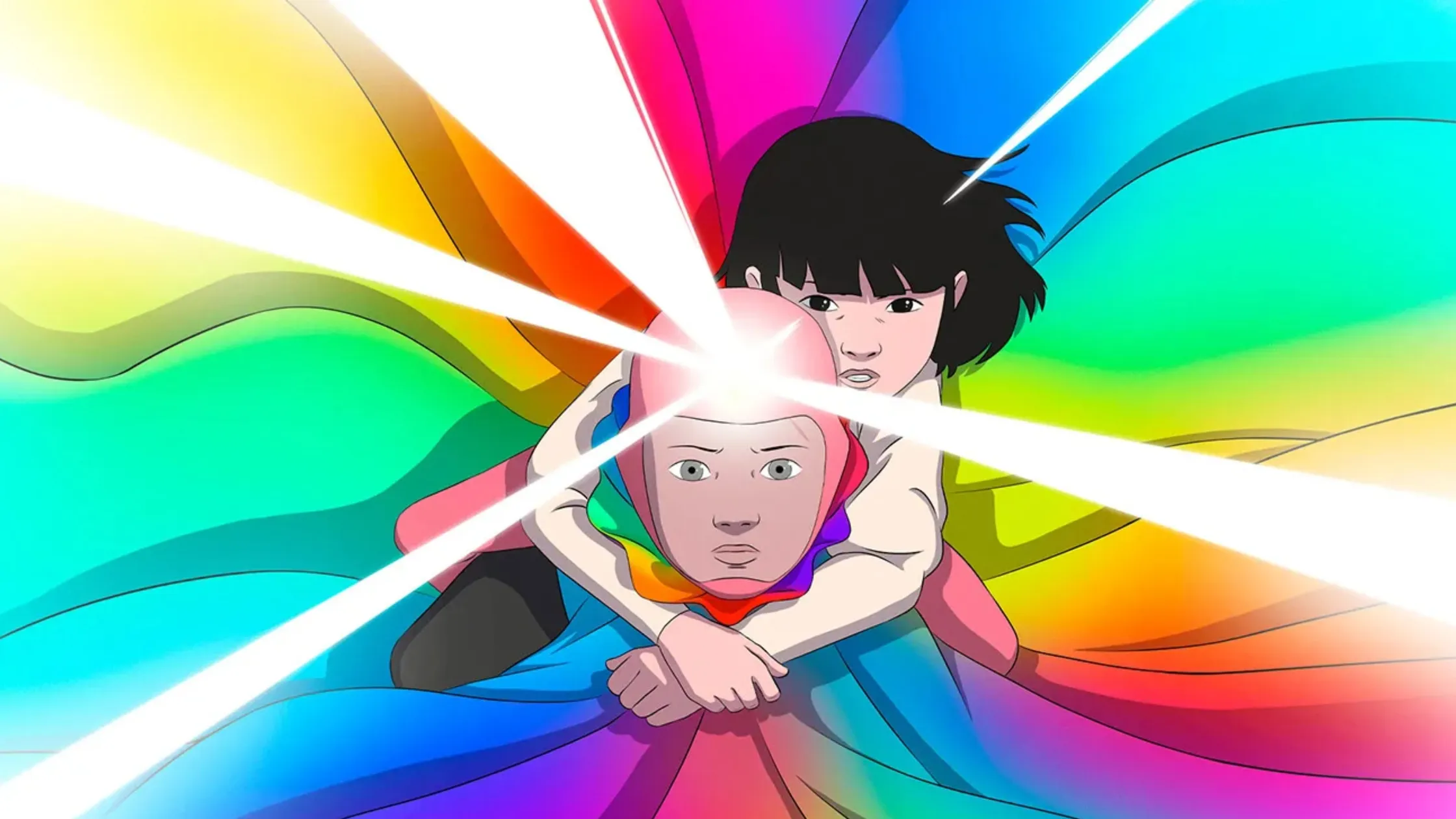
Poor Things: Opening Minds
director
Yorgos Lanthimos
country
Ireland

Linger on (…) Perfect Days, by Wim Wenders
director
Wim Wenders
country
Japan

“El Jockey” and the Question of Being
director
Luis Ortega
country
Argentina


© Topica Mag 2026.
© All images of their respective owners.
© Topica Mag 2026.
© All images of their respective owners.
© Topica Mag 2026.
© All images of their respective owners.