Cinema
Drama
Art Gallery
Contemporary
Editorial
Die My Love: A Portrait of the Postpartum Experience
Date
January 22, 2026
Share
A great deal is expected of women. There is an inherent burden placed upon them that clearly does not exist for men. To be well mannered and avoid profanity, to be young, to have an ideal body shaped by dominant beauty standards, to speak only when necessary, to have a child. However, with the rise of women’s rights movements over recent decades, particularly since the 1960s, these pressures have become far more visible and openly questioned.
Motherhood and the early stage following childbirth form the central focus of Die My Love, directed by Lynne Ramsay and produced by Martin Scorsese. Based on the novel of the same name by Ariana Harwicz, the film portrays the challenges faced by a couple, especially the woman, Grace, exquisitely portrayed by Jennifer Lawrence, after having a child and relocating to the outskirts of New York City with her partner, Jackson, played by Robert Pattinson.

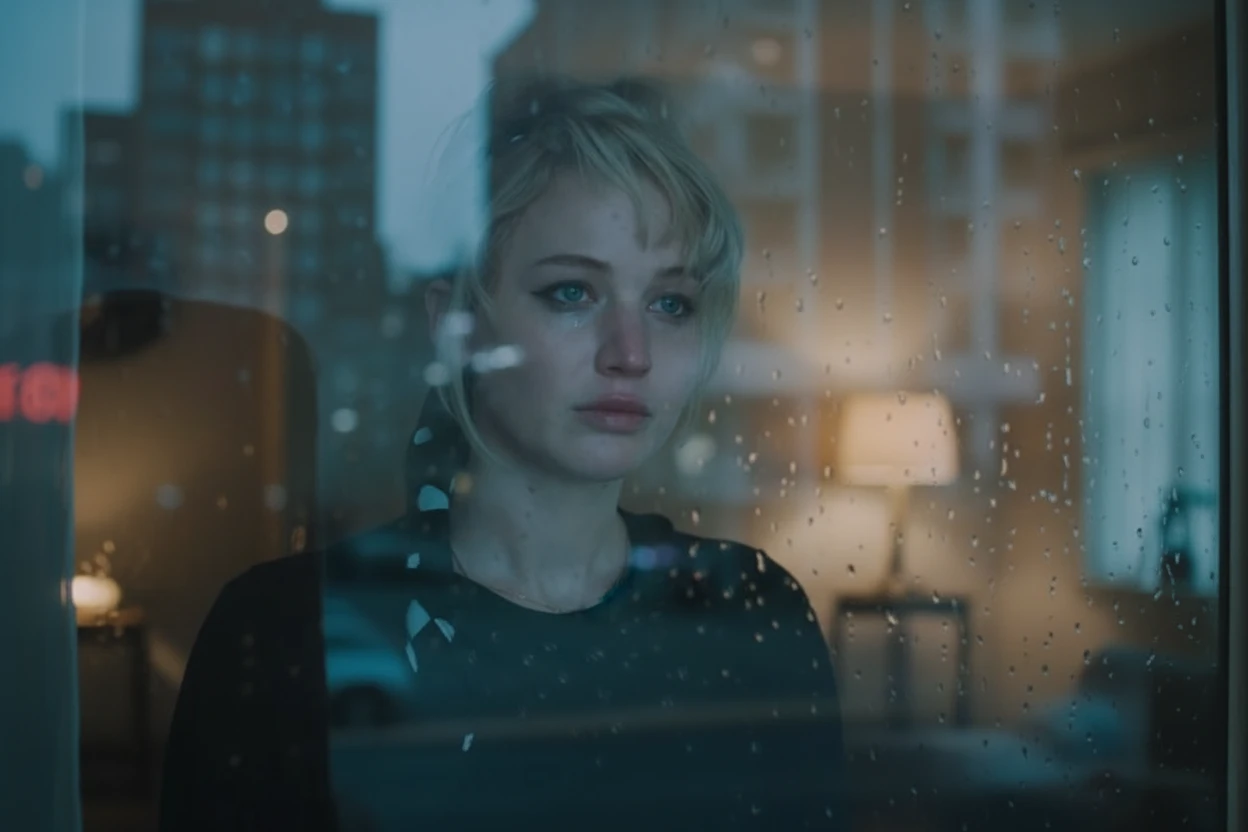
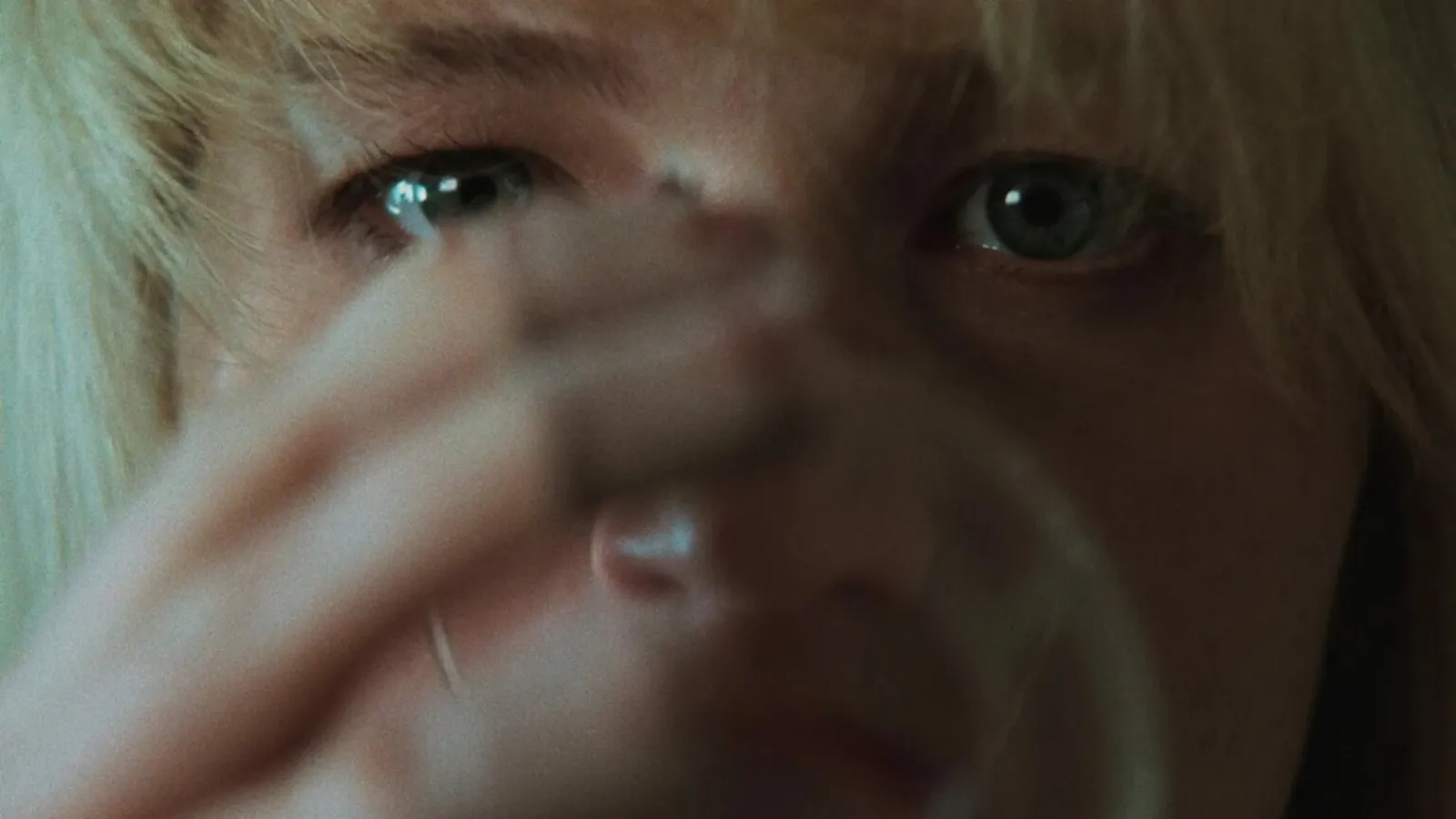
While the film’s title might suggest that a death or tragedy will occur within the couple (spoiler alert: it does not), the story instead centers on the psychological struggles Grace must confront when faced with the novelty of raising a human being who has come from her own body, a fact that perhaps should never cease to astonish us. This child is the result of her relationship with Jackson, her partner, played by Robert Pattinson. This is where the narrative becomes truly compelling. Why does Grace not seem happy? What leads her to neglect herself and even her baby? Why the constant self punishment and self sabotage? Is she disconnected from her own body? From her child? What does she seek through the harm she inflicts upon herself? Is it a cry for attention, perhaps? For now, these questions remain rhetorical, though the viewer will likely find their own way toward possible answers.
Share