Cinema
Film review
Drama
Fort-Da and the Void of Chinese Philosophy in Paterson
Date
January 22, 2026
Share
This text, which we note in advance contains spoilers, seeks to analyze the film Paterson (2016) through several themes linked to psychoanalysis and Chinese philosophy, including the notion of fort da and the void. We will focus on what we consider a turning point in the film: Paterson’s loss of the notebook containing his poems. It is therefore relevant to examine that event through Freud’s concept of the Fort Da game, later discussed by the essayist Didi Huberman, as well as Françoise Cheng’s idea of the void in Chinese philosophy and art. We will also draw on the concept of Thirdness, developed by Peirce and later taken up by Freud, and on the dissolution of the Oedipus Complex, which we consider important for understanding this moment in the film. From that point on, Paterson becomes aware of what he had: his notebook of poems. The loss of that object, which seems to have stirred something in him, generates an absence that can give rise to a certain alterity, to thirdness, to the emergence of something else, something new, unexpected and contingent, outside his routine world. In this sense, the absence of the notebook functions as a regulator of Paterson’s behavior.

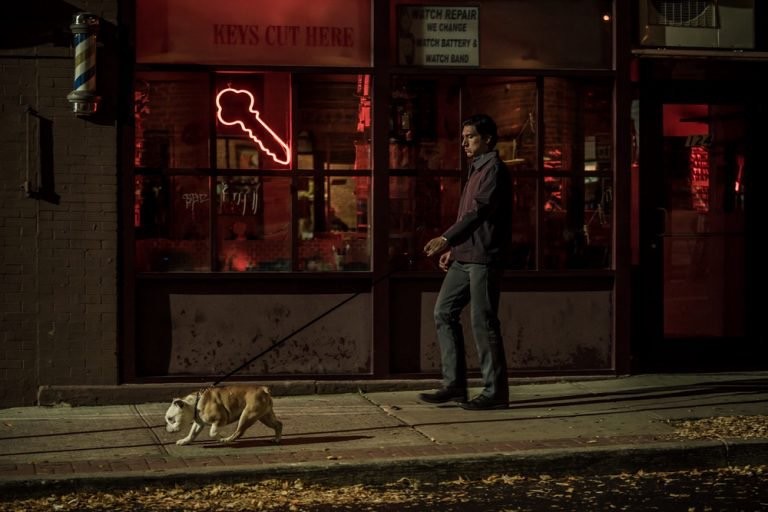
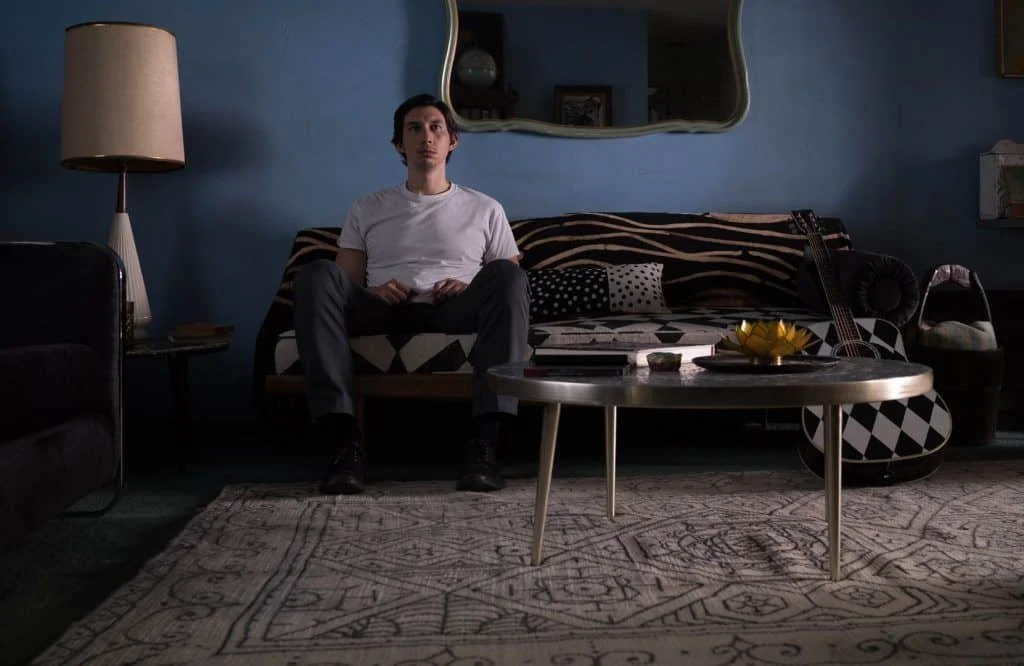
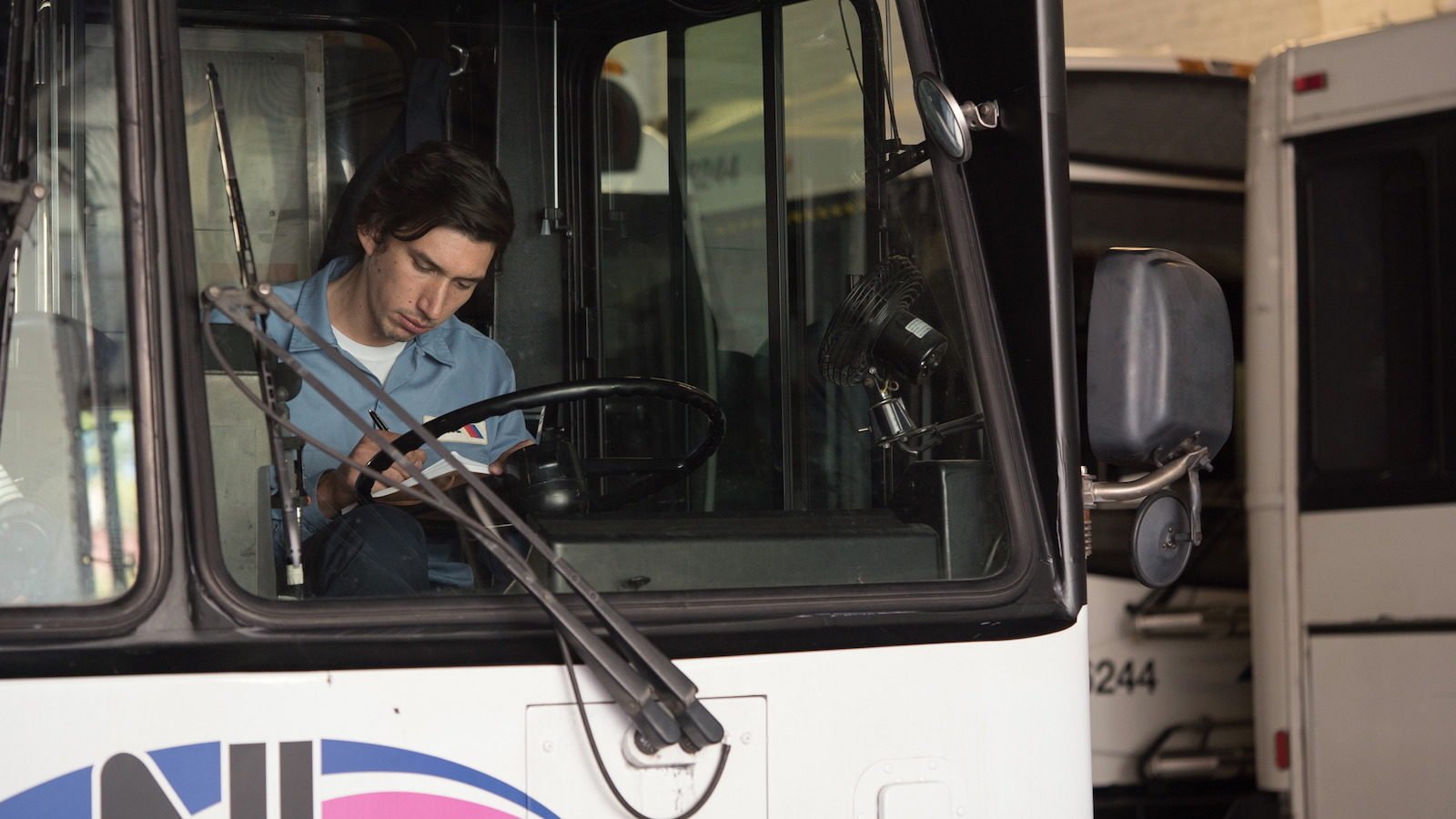
Paterson is not only the name of the film’s protagonist but also the name of the New Jersey city where the story unfolds and the title of the epic poem by William Carlos Williams, who is referenced throughout the film. Paterson works as a bus driver who travels through the city while writing poetry in a notebook. His life is routine, yet this does not seem to trouble him. Poetry appears to be the medium that frees him from the idea of a monotonous, dull existence. He lives with his wife Laura and their bulldog Marvin. On workdays he wakes up at the same time every morning without an alarm, as if something within him rouses him without external stimuli. He drives through the city observing and listening to the behavior of his passengers or of those he sees through the windshield.
Share