AI
Animation
Contemporary
3D
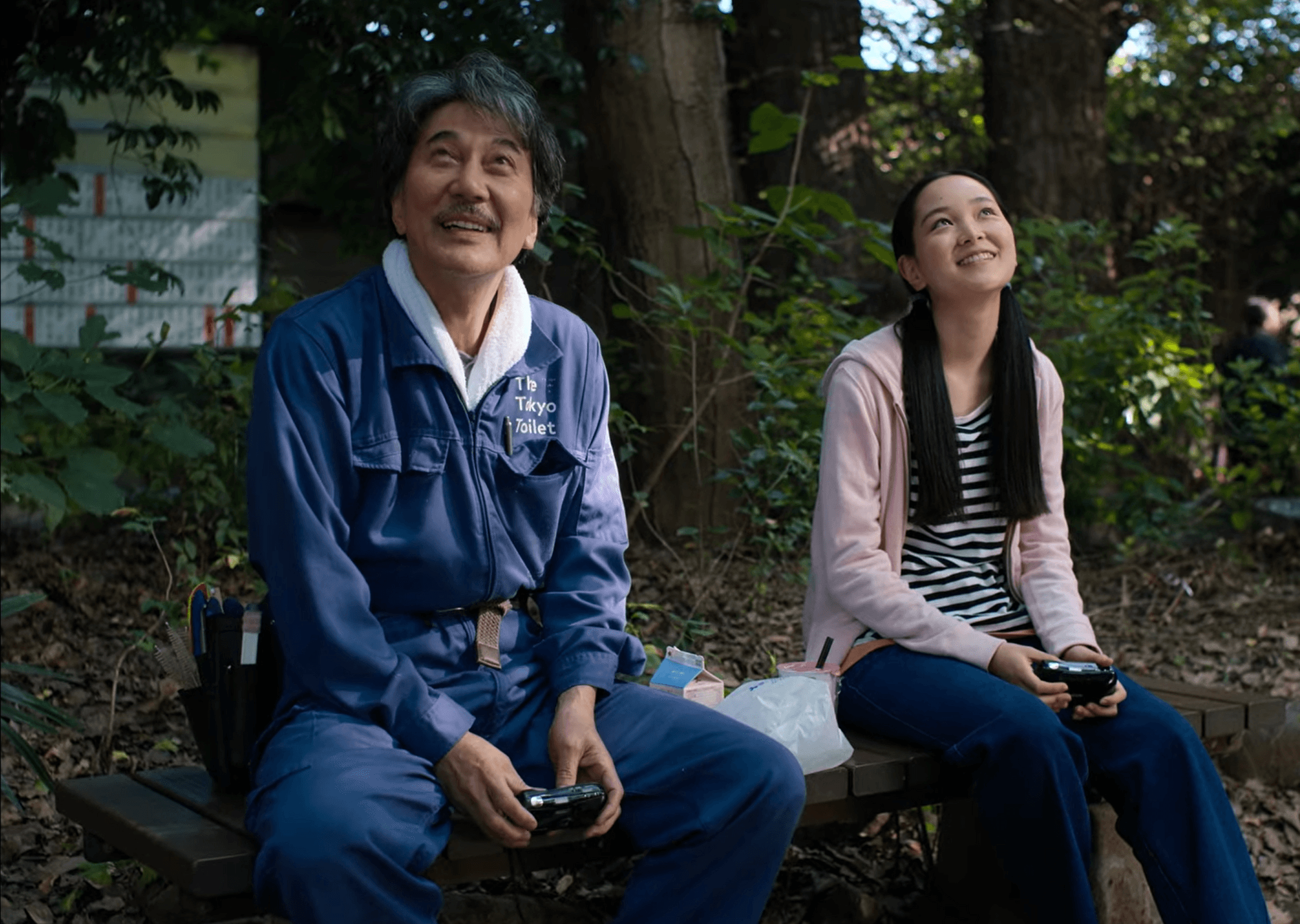
Linger on (…) Perfect Days, by Wim Wenders
Date
January 22, 2026
Share
This short review is delayed. That delay mirrors the latest film by Wim Wenders, about which we will share a few thoughts. In line with what resonates in Perfect Days, we give space to that delay and to writing discontinuously, without trying to keep pace with theatrical releases. Perfect Days explores, through the singularity of its protagonist, the notion of slowness, waiting and a sense of personal time that is detached from monotony and from the repetition of the linear chronological time imposed by modern societies.
One might already consider it somewhat outdated to revisit an analysis of time in modernity or postmodernity. Yet it remains necessary. It is even necessary to dissect this notion thoroughly, to analyze it in depth because, paradoxically, the more we study our contemporary societies and their distance from what is essential to the human condition, the more new technologies emerge, the more hypercommunication intensifies and the more we sink into the mediocre, the vulgar and the superficial. In this sense, Heidegger and many contemporary philosophers seem justified in pointing out that no real progress is possible.
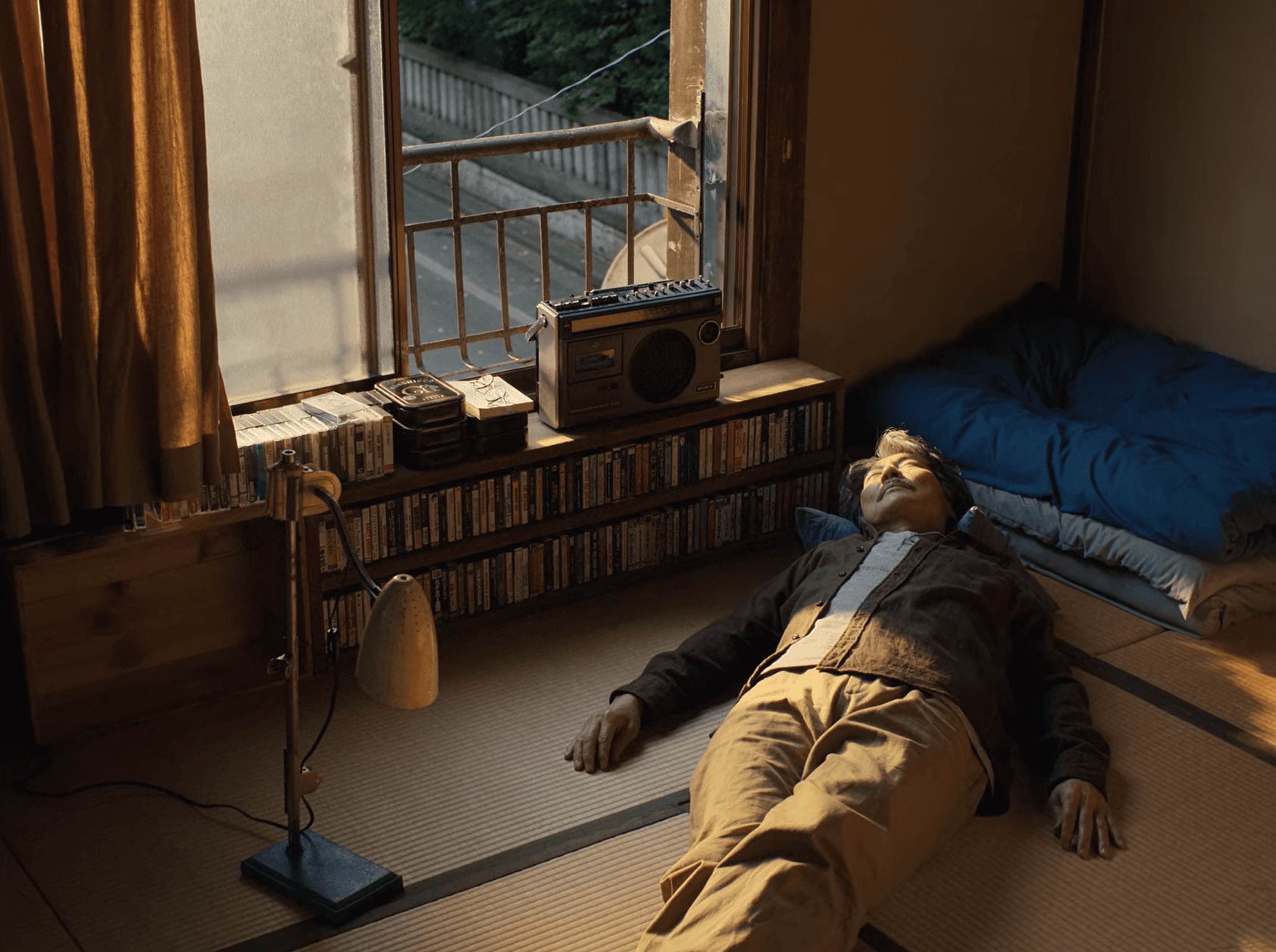
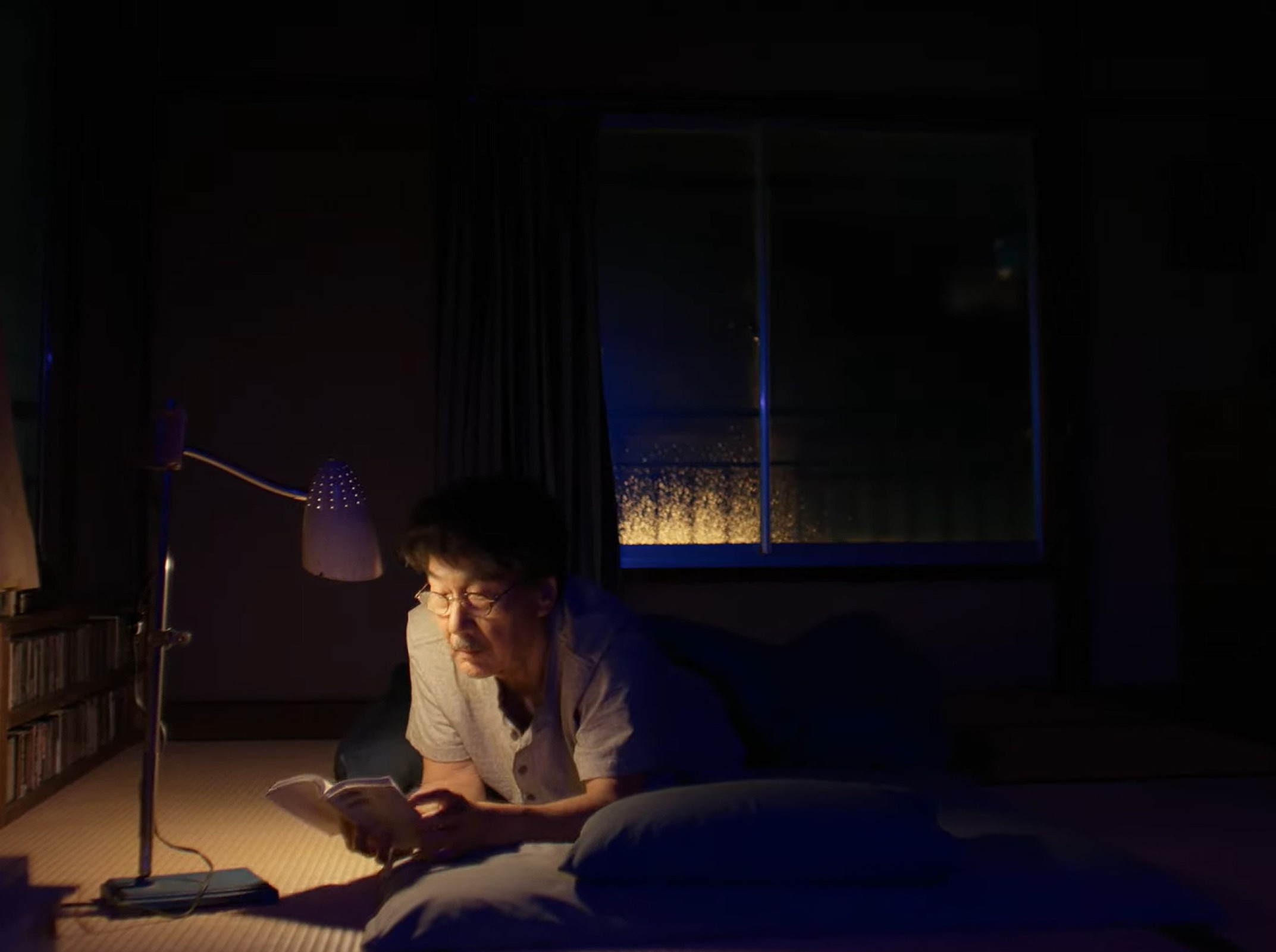
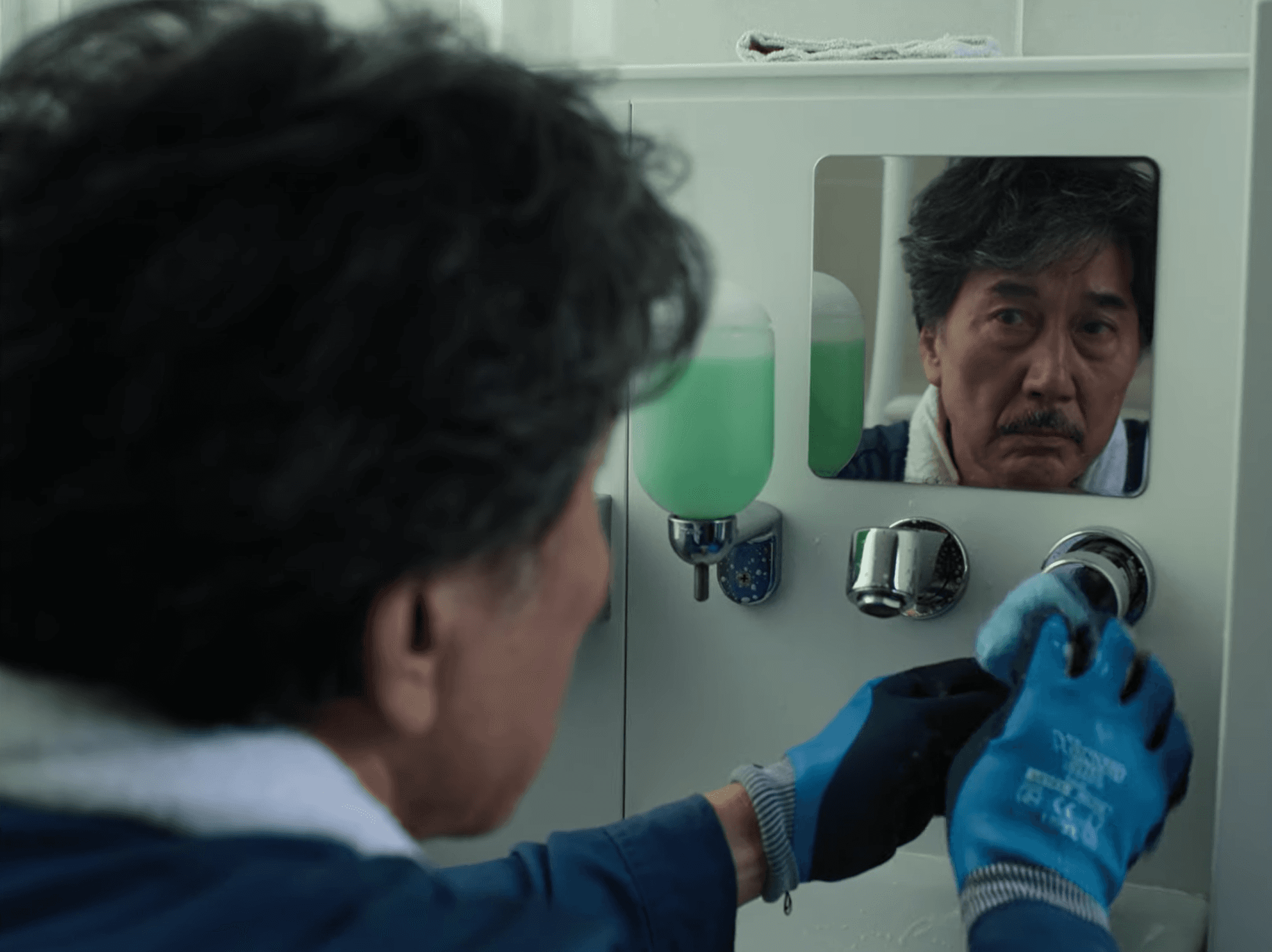
The film follows the story of Hirayama, a protagonist who works for a company that cleans public restrooms in Tokyo. His routine repeats day after day and Hirayama follows it precisely, with some variations of course, since absolute repetition is impossible. Yet contrary to what might be perceived as forced, unhealthy or undesirable work, Hirayama takes genuine pleasure in the everydayness of his job. He wakes up at the same early hour in his modest, well cared for and tidy home, makes his coffee, gets in his van, visits restrooms in different neighborhoods and cleans each facility meticulously alongside his coworker Takashi.
Share