
Cinema
Film review
Science Fiction
Drama
Poor Things: Opening Minds
Date
January 22, 2026
Share
Those already familiar with the cinematic language of the Greek director know the peculiar strangeness he relies on, not only in the themes he addresses, which are ultimately issues that concern the human condition, but also in his aesthetic choices. His stories present, in unconventional ways and through a disruptive, dystopian, dreamlike and fantastical approach, the norms and frameworks of the social world from which we can hardly escape as social and cultural beings unless we engage in reflection. Fiction becomes a means for that. This is precisely where the essence of his cinema lies. Like the rest of Lanthimos’s film corpus, and here we recommend Dogtooth, The Killing of a Sacred Deer, The Lobster and Nimic, a short film, Poor Things tends to overflow the familiar.


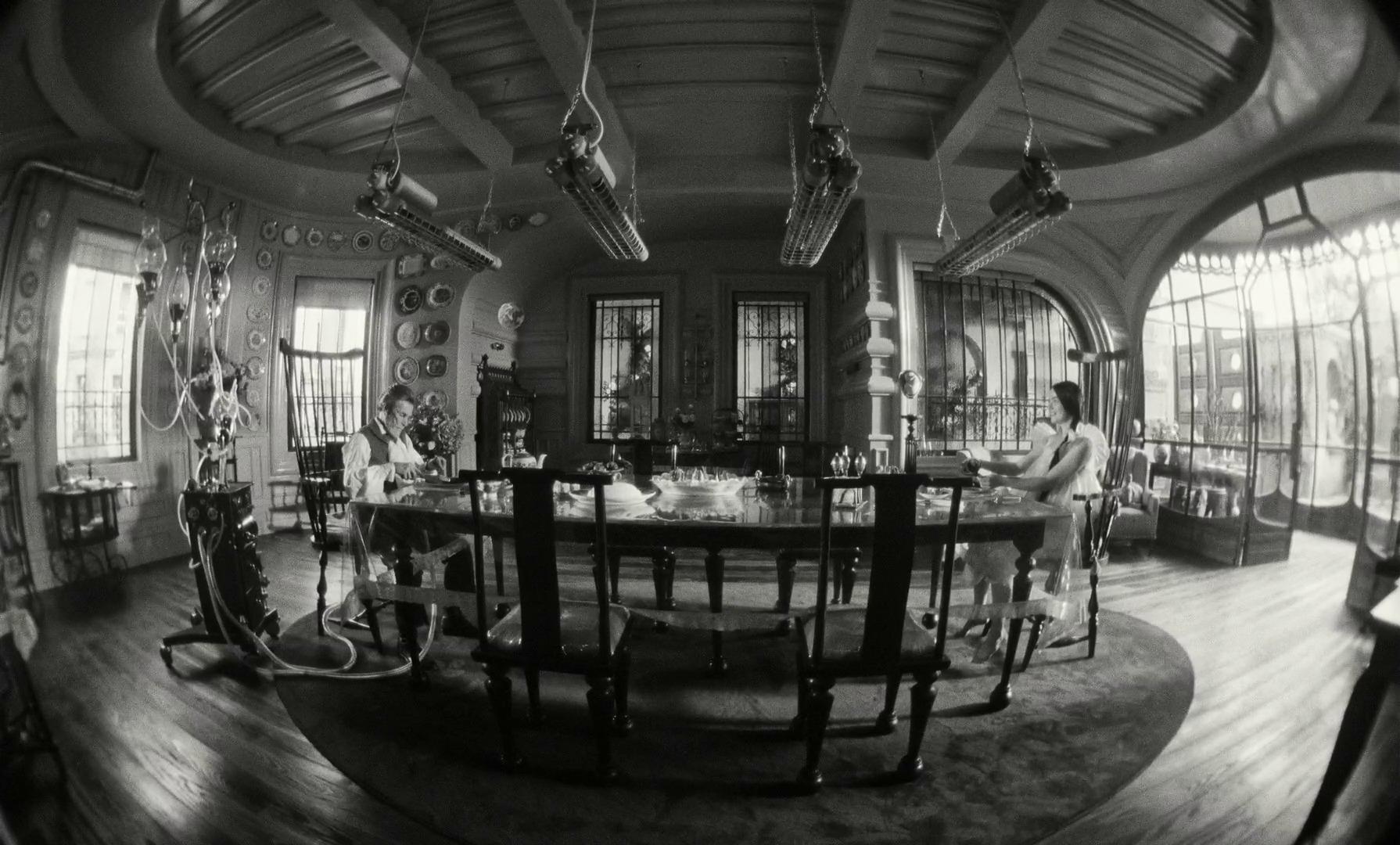
Poor Things is an adaptation of the Scottish writer Alasdair Gray’s novel of the same name. It offers an examination of social inequality, identity and the social oppression that shapes human life, with a particular focus on the role women have played since the beginnings of modernity. We might place this starting point in the eighteenth century with the rise of the industrial era and the emergence of early and ferocious capitalism. The story continues through the present and follows the ways in which the protagonist Bella builds her own path outside the norm. Lanthimos pushes beyond fantasy, which is already abundant in adventure or science fiction cinema, and shapes it through his own strokes and colors, creating the world of Bella Baxter.
The plot also suggests a reworking of Mary Shelley’s classic Frankenstein. A pregnant young woman decides to take her life to escape her husband’s abuse. Godwin Baxter, a scientist devoted to creating human monsters through experimentation, rescues Bella’s body and brings her back to life using the brain of her baby. From that moment on, alternating drama and humor, the film traces Bella’s physical and psychological growth. It is a nonlinear development with its advances and setbacks.
Share