FILM REVIEWS
FILM REVIEWS
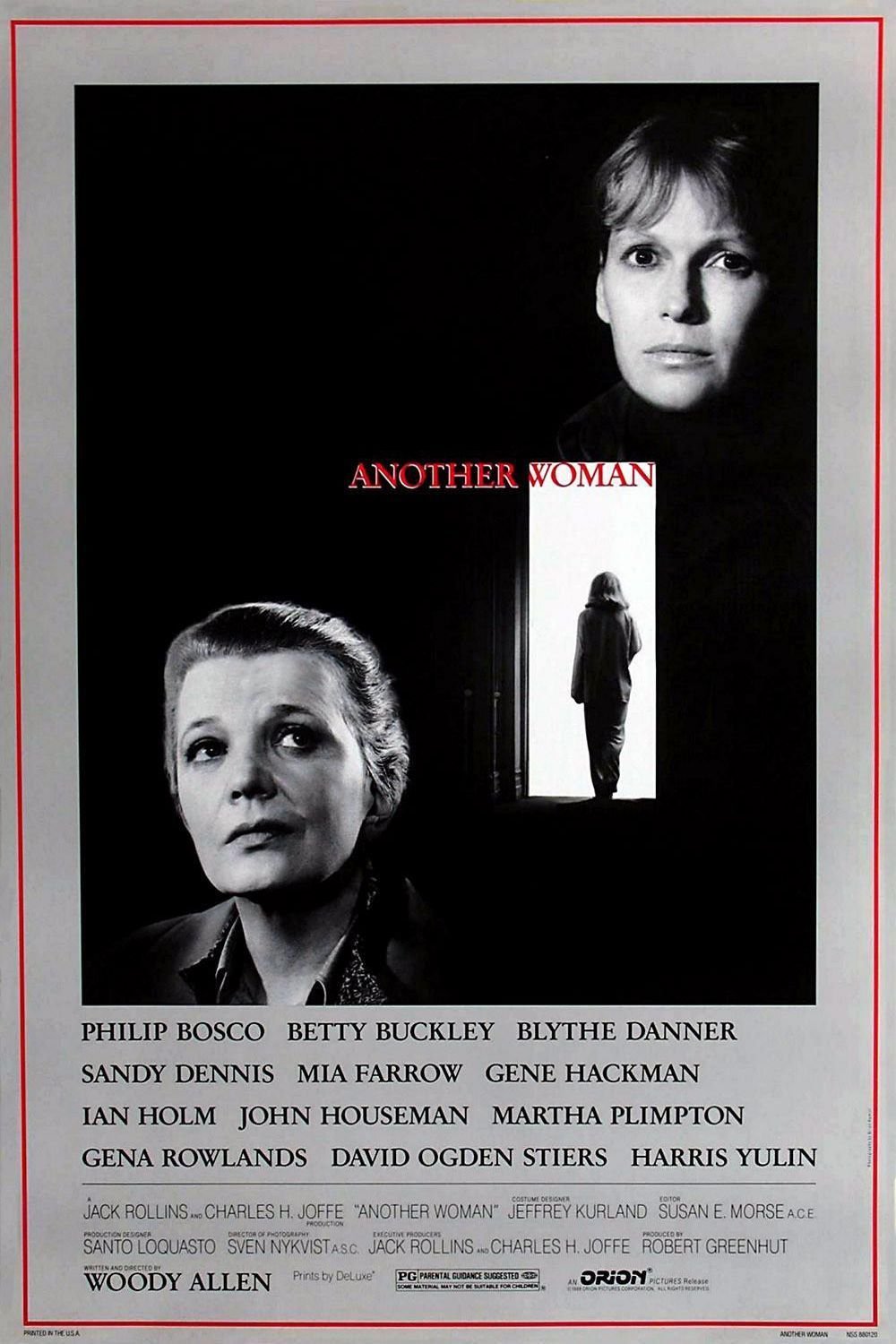
Another Woman
Another Woman

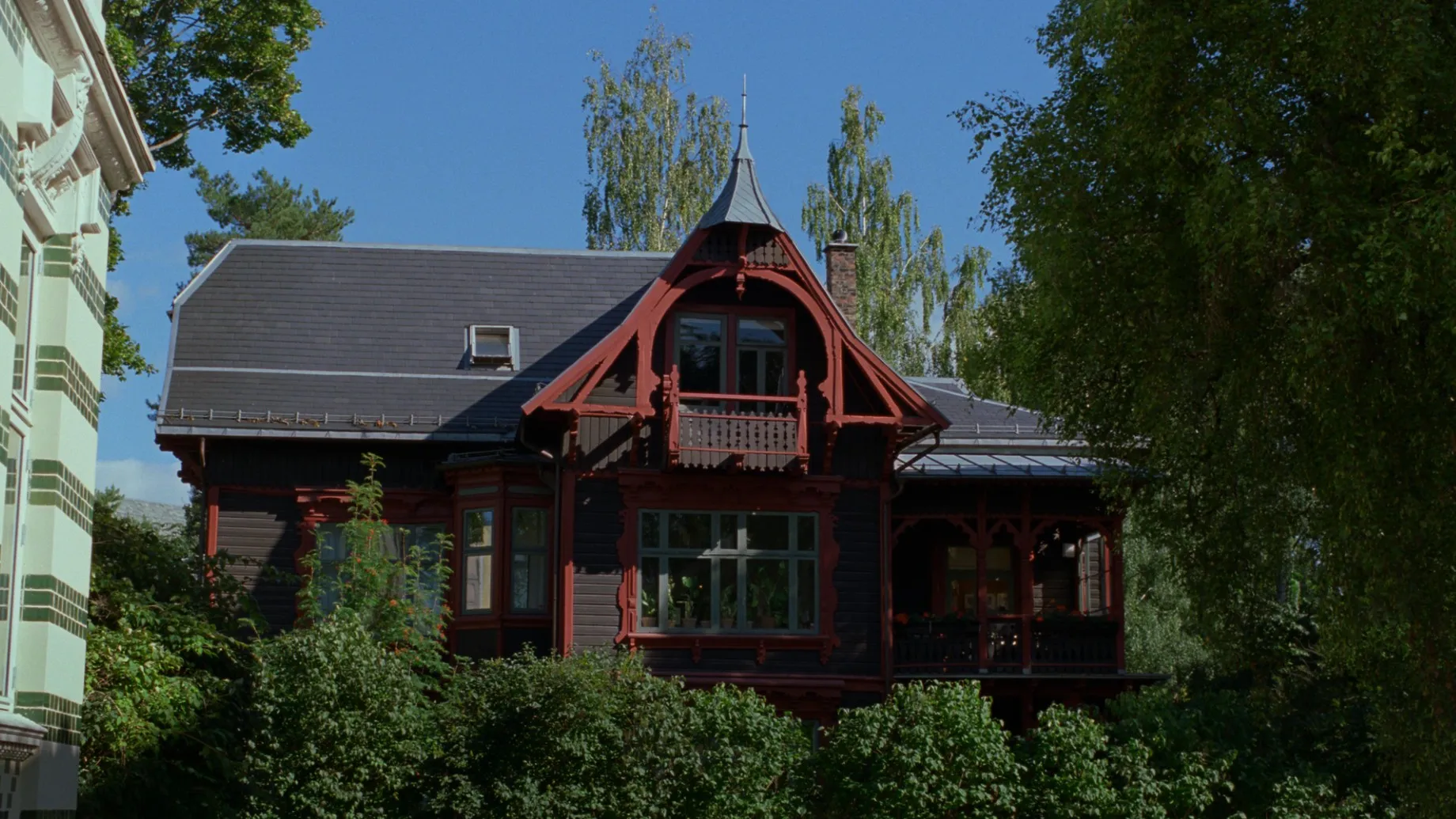
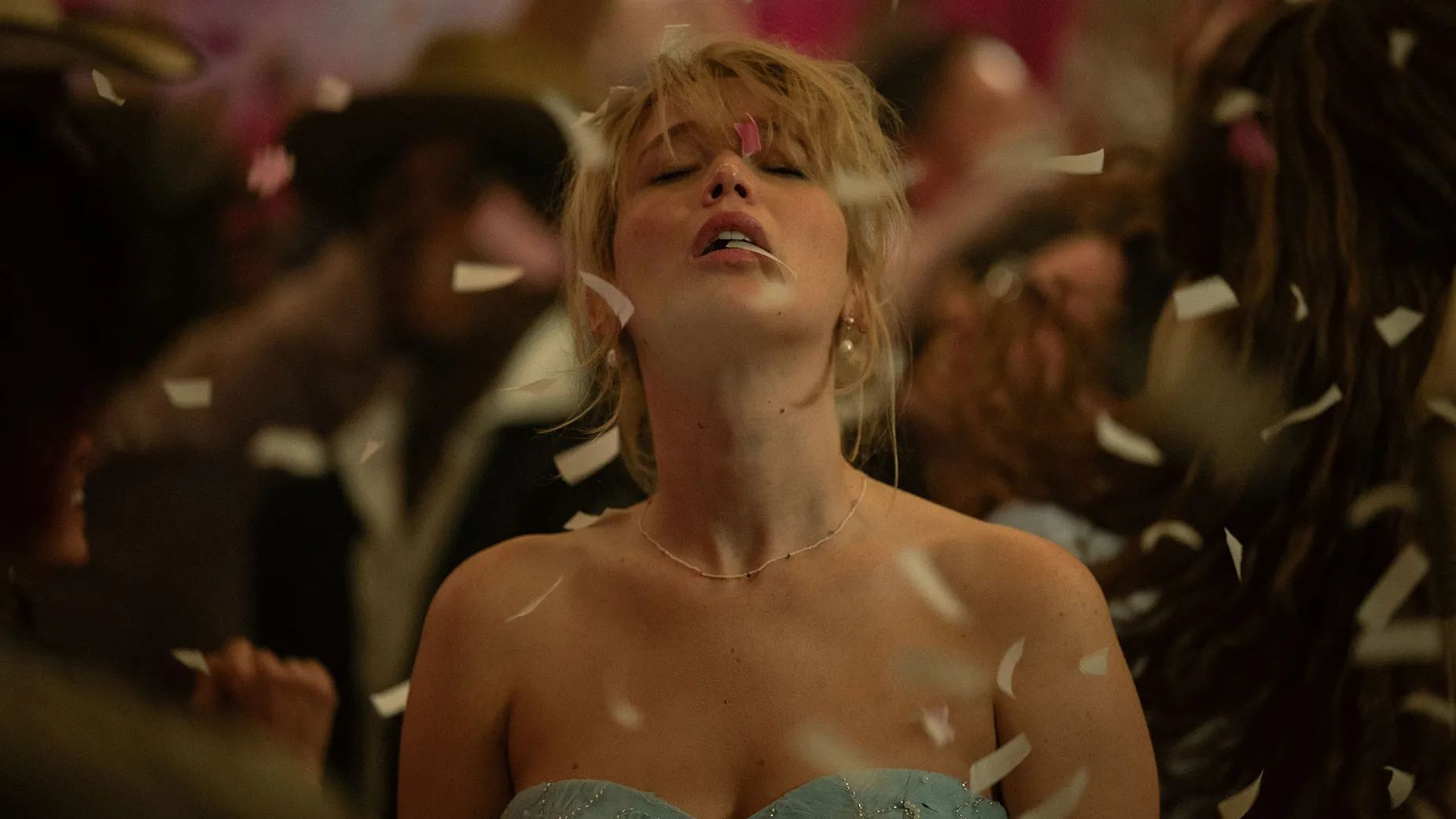
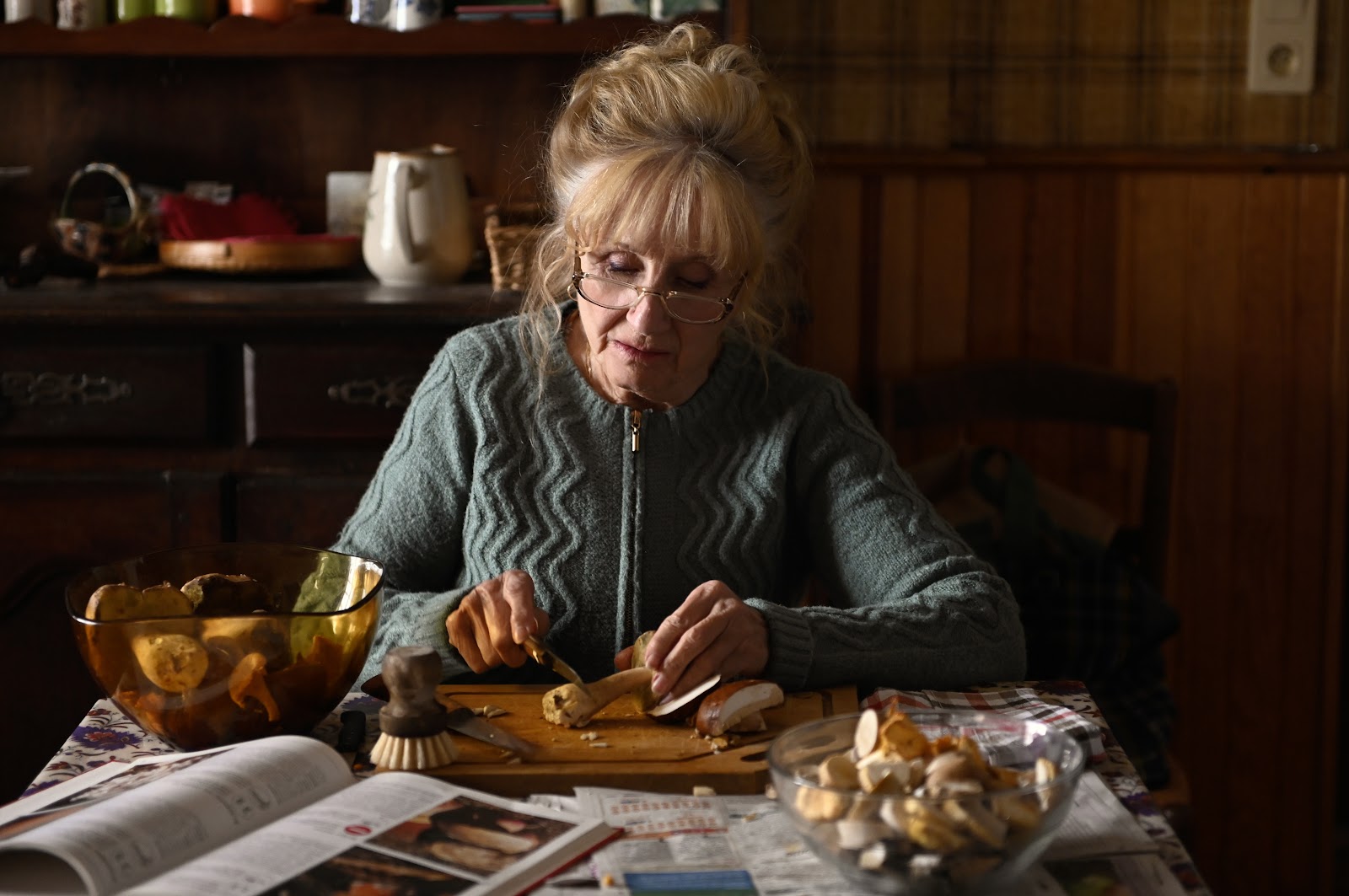
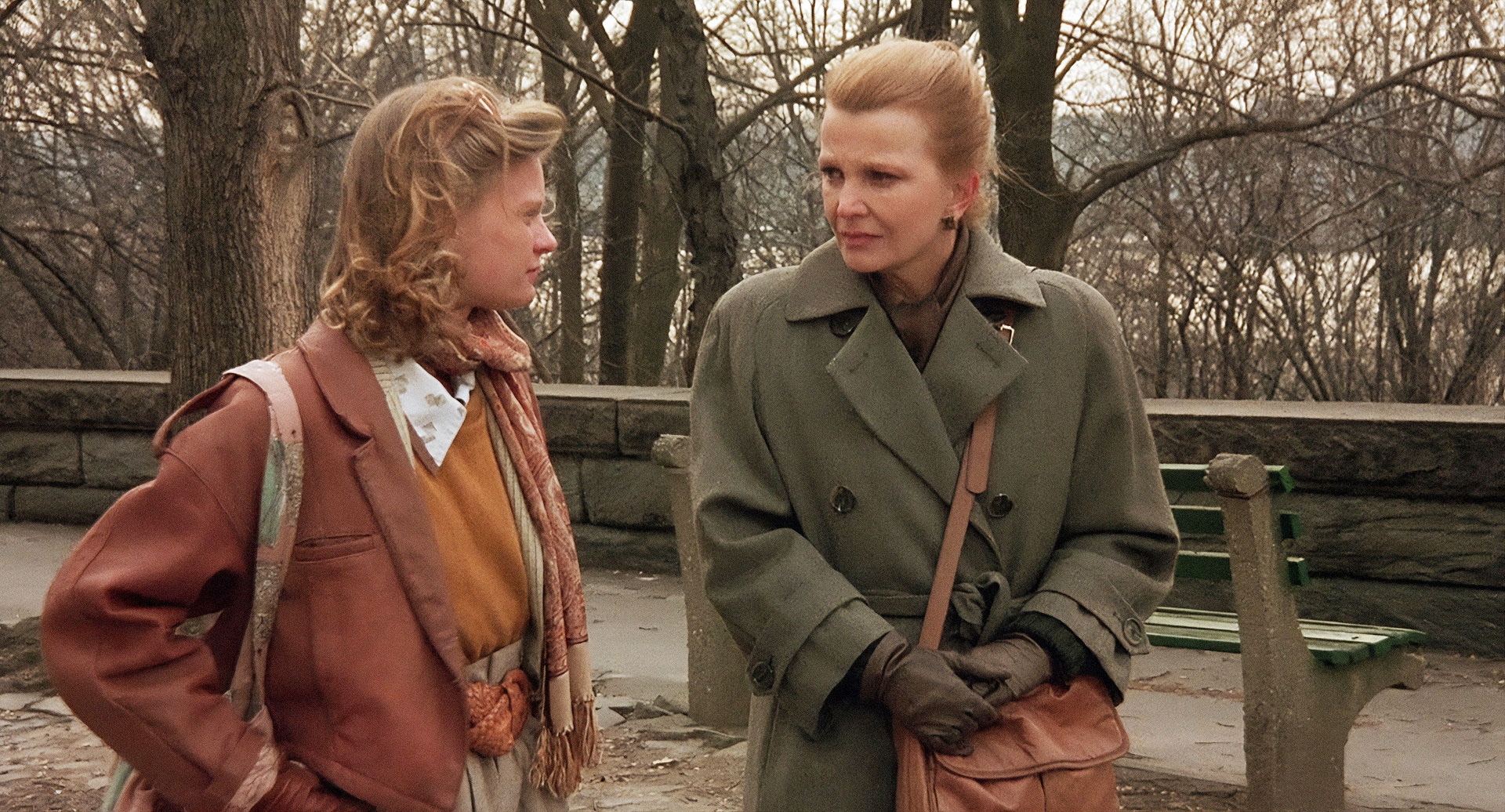
Stills from Another Woman (1988), directed by Woody Allen. © Orion Pictures

Stills from Another Woman (1988), directed by Woody Allen. © Orion Pictures
In 1988, Woody Allen released this film in a dramatic key, once again interrupting the comic tone that characterizes much of his filmography.
Author
Luciana Trost
Date
November 5, 2025
Share
Perhaps unsurprisingly, given the work of Woody Allen, Another Woman brings together the director’s ability to tell simple, everyday stories without losing their power to captivate, drawing on philosophy, literature, music, and psychoanalysis, orientations without which art would be impossible to conceive. The film’s leitmotif is Erik Satie’s Gymnopédie No. 1, making it difficult not to be moved when this music merges with such a restrained and beautiful story. A drama that stands out in Allen’s filmography, perhaps comparable to Interiors (1978) or September (1987), other gems.
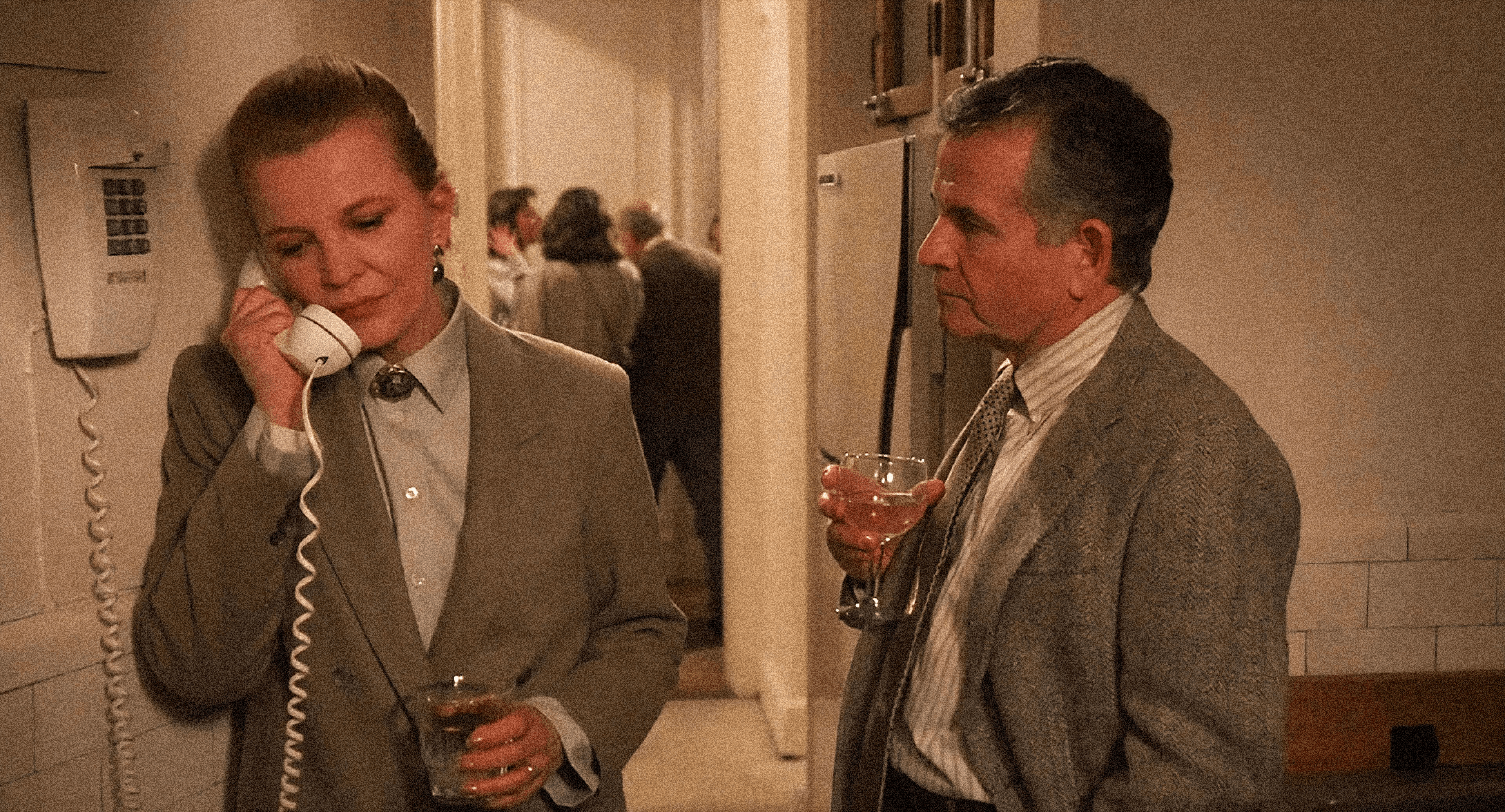

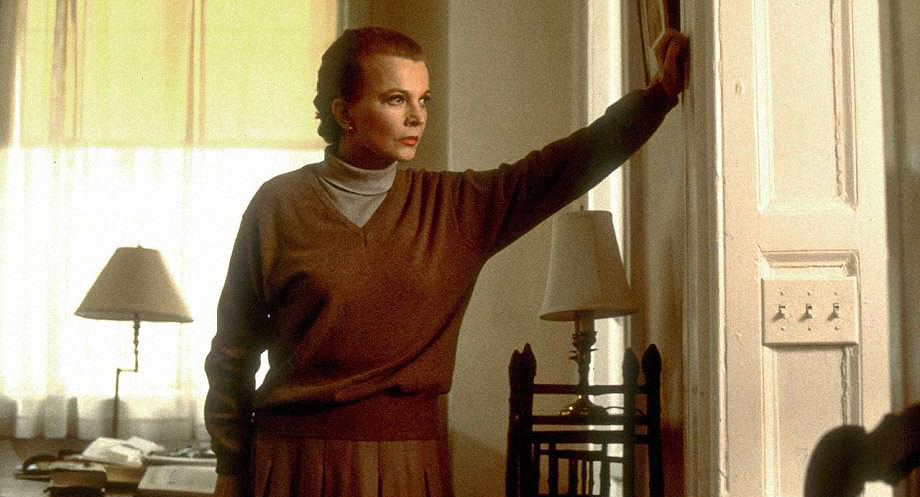


Stills from Another Woman (1988), directed by Woody Allen. © Orion Pictures
Gena Rowlands stars as Marion Post, a fifty-year-old philosophy professor who teaches at a university and is writing a book on Martin Heidegger. Her personal and professional life appears firmly established. She has a prestigious academic career, her husband is a renowned cardiologist, they maintain an active social life, have many friends, and share a beautiful apartment in New York. Marion’s need for silence and concentration to work on her book leads her to rent a nearby apartment. Her accumulated exhaustion causes her to fall asleep there, only to wake after overhearing a psychoanalysis session from a neighboring office through the ventilation system.
The first session Marion hears is that of a man who longs for the love of another man, regretting that he settled into a marriage with a woman he cares for but does not truly love. As the days pass, the sessions that most capture her attention are those of a pregnant young woman who expresses a persistent dissatisfaction with her life: depression, existential anguish, questions about desire, and long silences. Marion feels deeply drawn to this woman’s words, to the point that we perceive her identification with her and the beginning of a reevaluation of her own life in relation to her marriage, her career, and love. What was not, or what might have been.
Gena Rowlands stars as Marion Post, a fifty-year-old philosophy professor who teaches at a university and is writing a book on Martin Heidegger. Her personal and professional life appears firmly established. She has a prestigious academic career, her husband is a renowned cardiologist, they maintain an active social life, have many friends, and share a beautiful apartment in New York. Marion’s need for silence and concentration to work on her book leads her to rent a nearby apartment. Her accumulated exhaustion causes her to fall asleep there, only to wake after overhearing a psychoanalysis session from a neighboring office through the ventilation system.
The first session Marion hears is that of a man who longs for the love of another man, regretting that he settled into a marriage with a woman he cares for but does not truly love. As the days pass, the sessions that most capture her attention are those of a pregnant young woman who expresses a persistent dissatisfaction with her life: depression, existential anguish, questions about desire, and long silences. Marion feels deeply drawn to this woman’s words, to the point that we perceive her identification with her and the beginning of a reevaluation of her own life in relation to her marriage, her career, and love. What was not, or what might have been.
Gena Rowlands stars as Marion Post, a fifty-year-old philosophy professor who teaches at a university and is writing a book on Martin Heidegger. Her personal and professional life appears firmly established. She has a prestigious academic career, her husband is a renowned cardiologist, they maintain an active social life, have many friends, and share a beautiful apartment in New York. Marion’s need for silence and concentration to work on her book leads her to rent a nearby apartment. Her accumulated exhaustion causes her to fall asleep there, only to wake after overhearing a psychoanalysis session from a neighboring office through the ventilation system.
The first session Marion hears is that of a man who longs for the love of another man, regretting that he settled into a marriage with a woman he cares for but does not truly love. As the days pass, the sessions that most capture her attention are those of a pregnant young woman who expresses a persistent dissatisfaction with her life: depression, existential anguish, questions about desire, and long silences. Marion feels deeply drawn to this woman’s words, to the point that we perceive her identification with her and the beginning of a reevaluation of her own life in relation to her marriage, her career, and love. What was not, or what might have been.
This film stands as one of Woody Allen’s few dramatic films, which, along with September (1987) and Interiors (1978), form part of the director’s exquisite and lesser-explored catalog.
“I need something, I just don’t know exactly what,” Marion tells her brother during a visit to his workplace. The film disrupts its apparent harmony with memories and dreamlike visions that prove decisive. We see childhood memories of a strict father who admired her but not her brother, who resisted the family’s expectations; a scene in a theater where Marion watches dramatized moments from her own life, including her youth married to a university professor from whom she became pregnant and chose to have an abortion; and her current relationship with her husband, marked by a routine in which intimacy barely exists.
The intertwining of Marion’s personal history with her growing fascination for the pregnant young woman becomes increasingly intense. By chance, or perhaps not, she encounters her in an antique shop, crying in front of Gustav Klimt’s painting Hope. A shared lunch brings them closer, and it is here that Marion finally begins to understand.
“I need something, I just don’t know exactly what,” Marion tells her brother during a visit to his workplace. The film disrupts its apparent harmony with memories and dreamlike visions that prove decisive. We see childhood memories of a strict father who admired her but not her brother, who resisted the family’s expectations; a scene in a theater where Marion watches dramatized moments from her own life, including her youth married to a university professor from whom she became pregnant and chose to have an abortion; and her current relationship with her husband, marked by a routine in which intimacy barely exists.
The intertwining of Marion’s personal history with her growing fascination for the pregnant young woman becomes increasingly intense. By chance, or perhaps not, she encounters her in an antique shop, crying in front of Gustav Klimt’s painting Hope. A shared lunch brings them closer, and it is here that Marion finally begins to understand.
“I need something, I just don’t know exactly what,” Marion tells her brother during a visit to his workplace. The film disrupts its apparent harmony with memories and dreamlike visions that prove decisive. We see childhood memories of a strict father who admired her but not her brother, who resisted the family’s expectations; a scene in a theater where Marion watches dramatized moments from her own life, including her youth married to a university professor from whom she became pregnant and chose to have an abortion; and her current relationship with her husband, marked by a routine in which intimacy barely exists.
The intertwining of Marion’s personal history with her growing fascination for the pregnant young woman becomes increasingly intense. By chance, or perhaps not, she encounters her in an antique shop, crying in front of Gustav Klimt’s painting Hope. A shared lunch brings them closer, and it is here that Marion finally begins to understand.



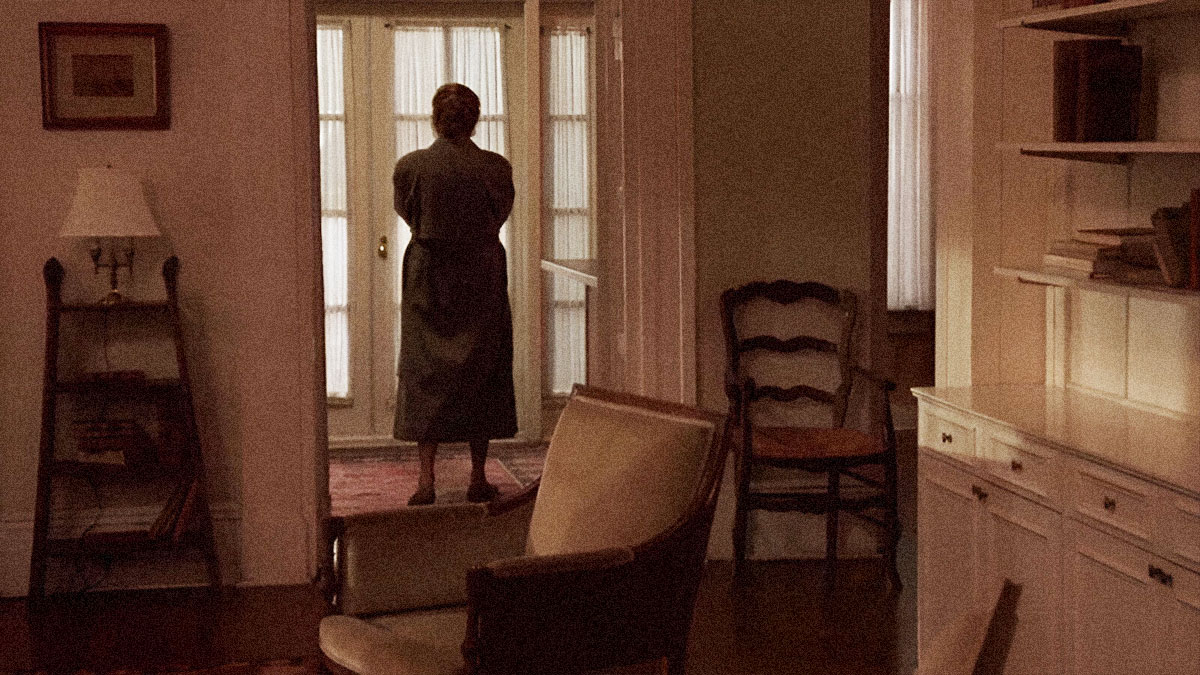
Stills from Another Woman (1988), directed by Woody Allen. © Orion Pictures

Stills from Another Woman (1988), directed by Woody Allen. © Orion Pictures
Explore Topics


Marion mentions two poems by Rainer Maria Rilke, her mother’s favorite poet. One of them stands out:
Archaic Torso of Apollo
We cannot know his legendary head
with eyes like ripening fruit. And yet his torso
is still suffused with brilliance from inside,
like a lamp, in which his gaze, now turned to low,
gleams in all its power. Otherwise
the curved breast could not dazzle you so,
nor could a smile run through the placid hips
and thighs to that dark center where procreation flared.
Otherwise this stone would seem defaced
beneath the translucent cascade of the shoulders
and would not glisten like a wild beast’s fur;
would not, from all the borders of itself,
burst like a star: for here there is no place
that does not see you. You must change your life.
Marion mentions two poems by Rainer Maria Rilke, her mother’s favorite poet. One of them stands out:
Archaic Torso of Apollo
We cannot know his legendary head
with eyes like ripening fruit. And yet his torso
is still suffused with brilliance from inside,
like a lamp, in which his gaze, now turned to low,
gleams in all its power. Otherwise
the curved breast could not dazzle you so,
nor could a smile run through the placid hips
and thighs to that dark center where procreation flared.
Otherwise this stone would seem defaced
beneath the translucent cascade of the shoulders
and would not glisten like a wild beast’s fur;
would not, from all the borders of itself,
burst like a star: for here there is no place
that does not see you. You must change your life.


Film credits
Original title
Another Woman
Year
1988
COUNTRY
United States
Director
Woody Allen
Screenplay
Woody Allen
Cast
Gena Rowlands, Gene Hackman, Mia Farrow, Ian Holm, Blythe Danner, Martha Plimpton, Josh Hamilton, Frances Conroy, Betty Buckley, John Houseman, Sandy Dennis, David Ogden Stiers
Music
Various
Cinematography
Sven Nykvist
Production companies
Jack Rollins & Charles H. Joffe Production
Distributor
Orion Pictures
Genre
Drama | Psychological Drama

MORE
film reviews
MORE
film reviews
MORE
film reviews
MORE
film reviews
Poor Things: Opening Minds
director
Yorgos Lanthimos
country
Ireland

Linger on (…) Perfect Days, by Wim Wenders
director
Wim Wenders
country
Japan

“El Jockey” and the Question of Being
director
Luis Ortega
country
Argentina


© Topica Mag 2026.
© All images of their respective owners.
© Topica Mag 2026.
© All images of their respective owners.
© Topica Mag 2026.
© All images of their respective owners.