FILM REVIEWS
FILM REVIEWS
Revisiting the Myth of Ondine

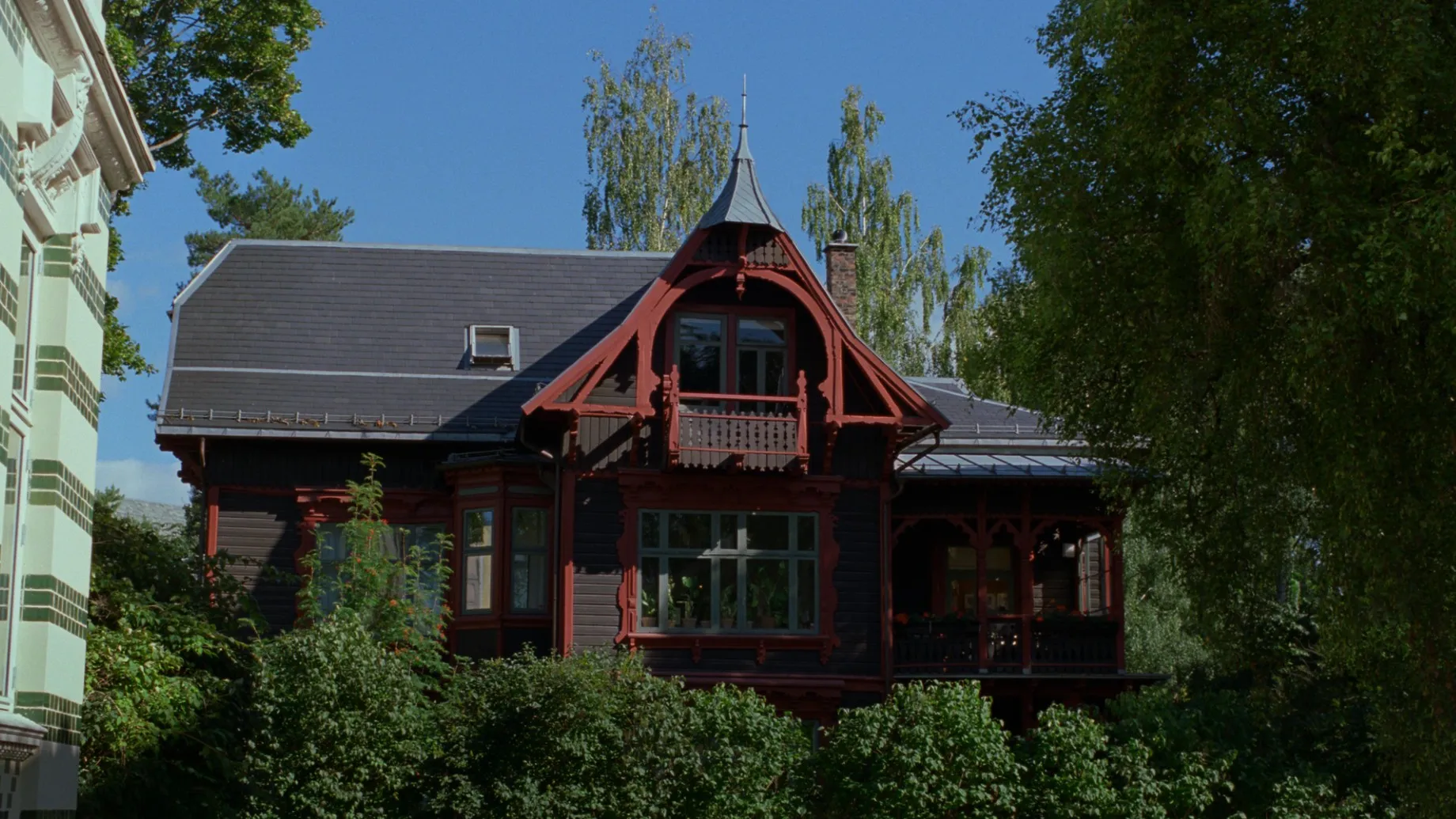
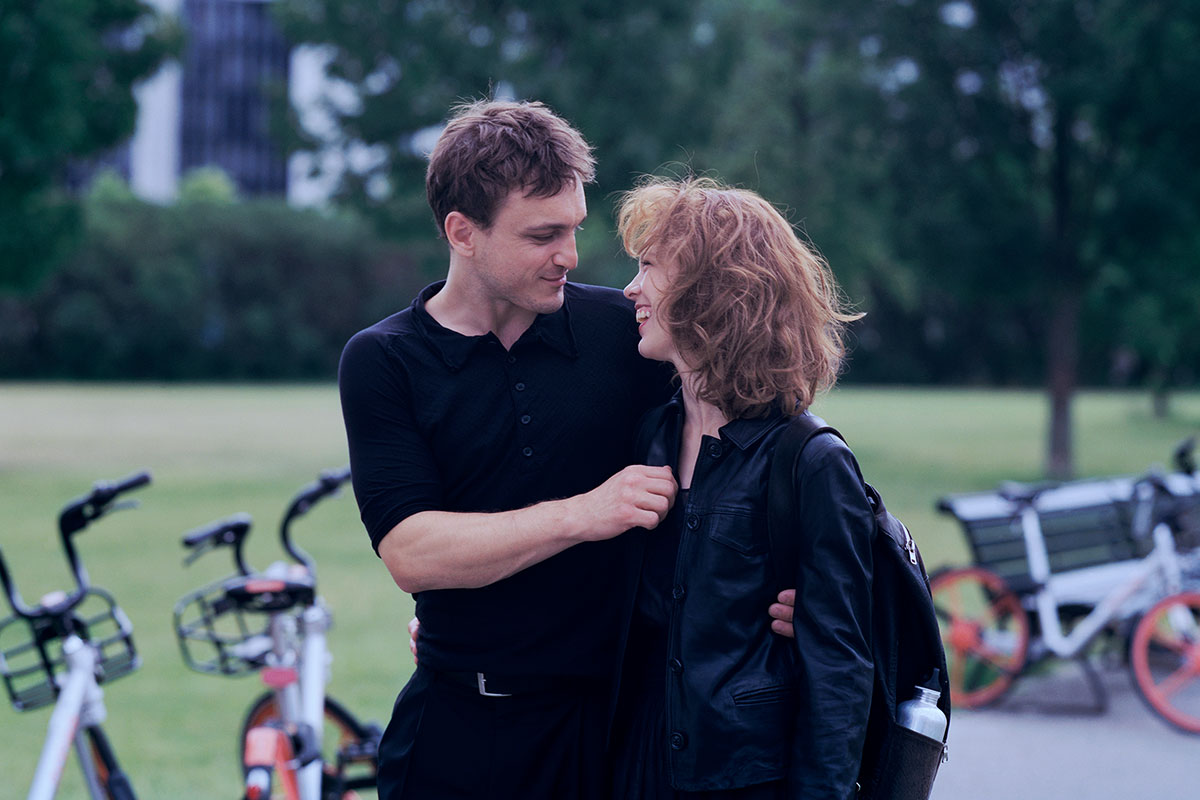
Stills from Undine (2020), directed by Christian Petzold.
© Schramm Film

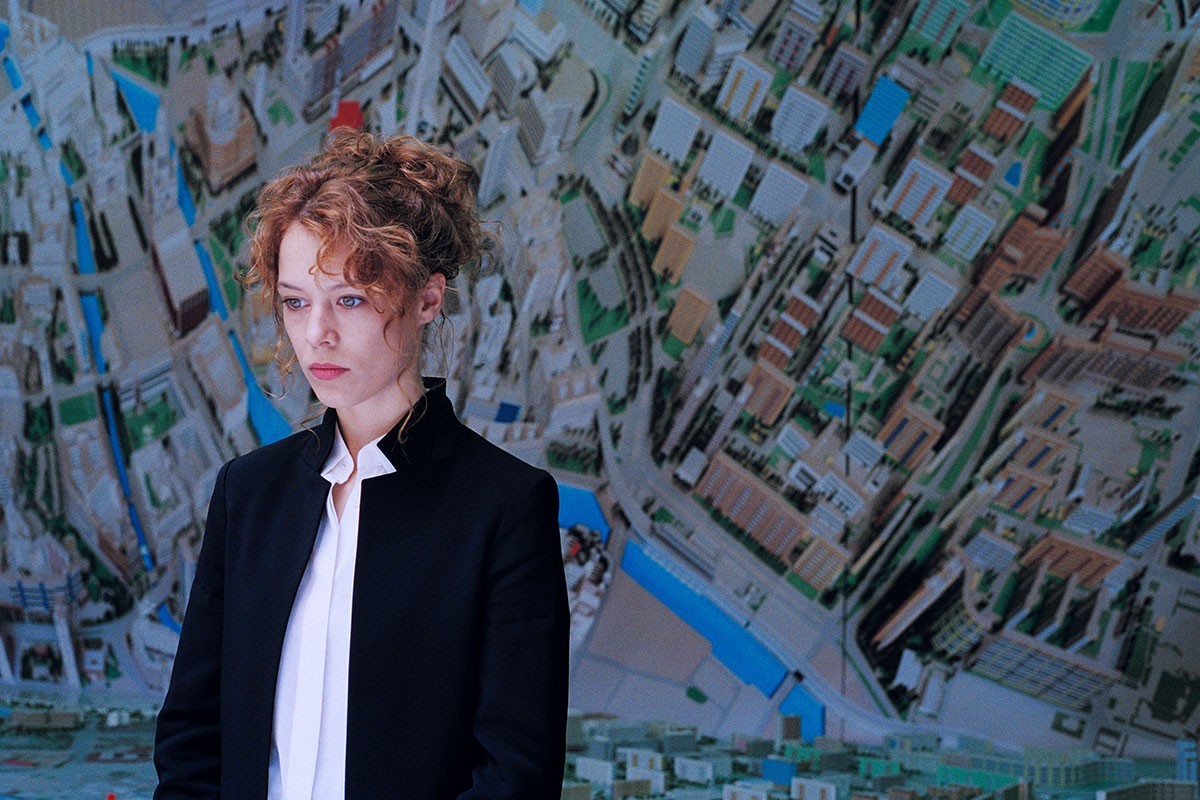
Stills from Undine (2020), directed by Christian Petzold.
© Schramm Film
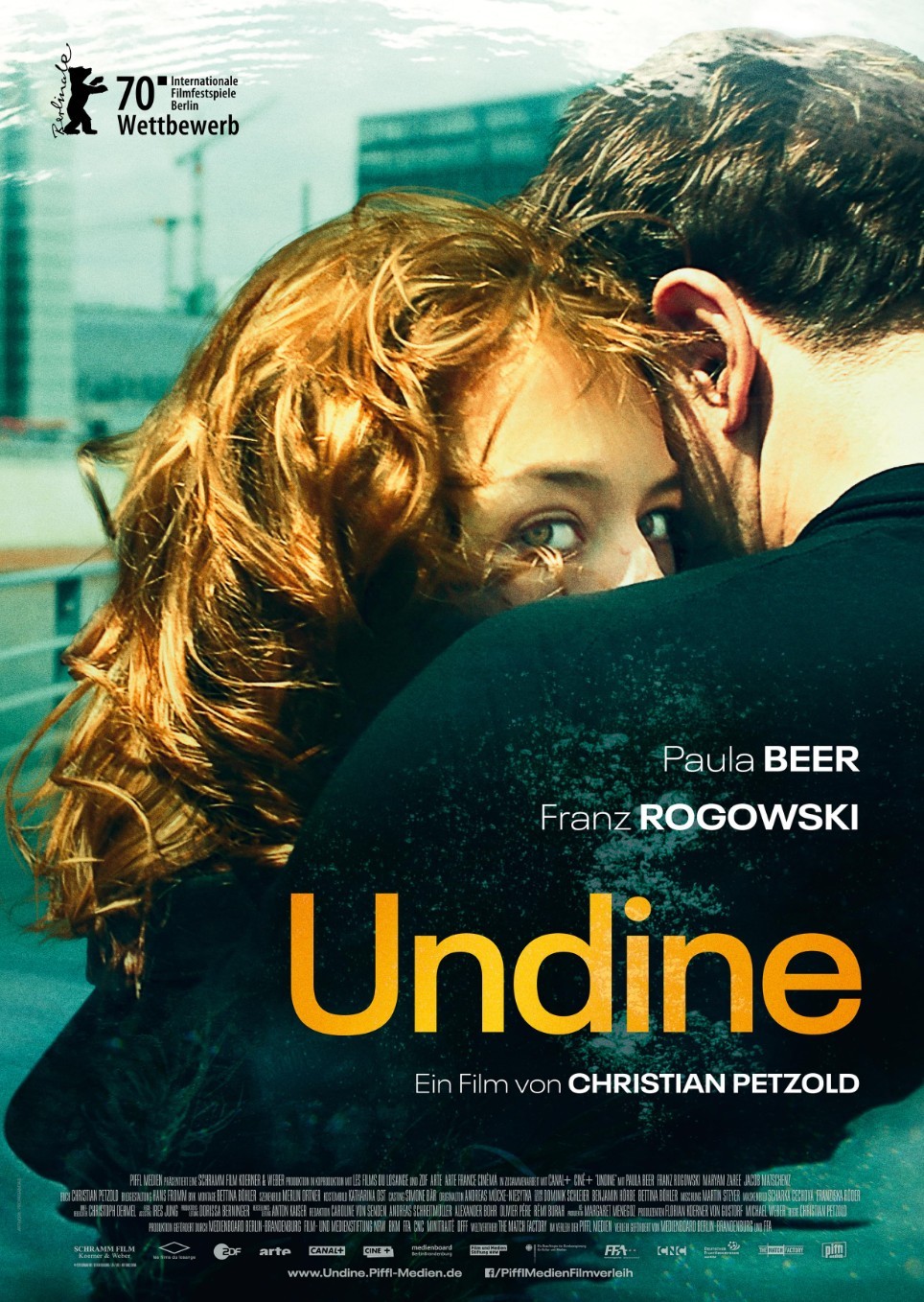
Director Christian Petzold revisits the myth of Ondine and reconnects us with postwar Germany.
Author
Luciana Trost
Date
October 3, 2025
Share
It is easy to situate Christian Petzold’s film Undine (2021) within what David Bordwell called “art-cinema narration,” in contrast with the so-called “classical cinema” of the 1930s, 40s, and 50s. In Undine—a film premiered and awarded at the Berlin Film Festival and the European Film Awards—we find several aspects Bordwell identifies (such as allusions to unknown worlds, non-linear storytelling, an existence emptied of meaning, scenes of pure contemplation) while it narrates the story of a young woman who interrelates a “real” world with another whose laws are not intelligible to viewers, that is, a world tied to myth. We already know the Greco-Germanic myth of Ondine: a beautiful and immortal nymph who, after falling in love with a young nobleman, renounces those qualities and is condemned to love him forever. Upon discovering his infidelity, Ondine sentences him to death and is transformed into a nymph inhabiting the waters of a river in which her reflection can be seen on stormy days.
In Petzold’s film, the adaptation of that myth is narrated through a love story. Undine is a young Berlin historian who works in the Urban Development and Housing sector, giving talks on the architectural history of the city she lives in, covering periods such as the Second World War, the postwar era (the Cold War), and the later unification of East and West Germany after the fall of the Wall.
It is easy to situate Christian Petzold’s film Undine (2021) within what David Bordwell called “art-cinema narration,” in contrast with the so-called “classical cinema” of the 1930s, 40s, and 50s. In Undine—a film premiered and awarded at the Berlin Film Festival and the European Film Awards—we find several aspects Bordwell identifies (such as allusions to unknown worlds, non-linear storytelling, an existence emptied of meaning, scenes of pure contemplation) while it narrates the story of a young woman who interrelates a “real” world with another whose laws are not intelligible to viewers, that is, a world tied to myth. We already know the Greco-Germanic myth of Ondine: a beautiful and immortal nymph who, after falling in love with a young nobleman, renounces those qualities and is condemned to love him forever. Upon discovering his infidelity, Ondine sentences him to death and is transformed into a nymph inhabiting the waters of a river in which her reflection can be seen on stormy days.
In Petzold’s film, the adaptation of that myth is narrated through a love story. Undine is a young Berlin historian who works in the Urban Development and Housing sector, giving talks on the architectural history of the city she lives in, covering periods such as the Second World War, the postwar era (the Cold War), and the later unification of East and West Germany after the fall of the Wall.
It is easy to situate Christian Petzold’s film Undine (2021) within what David Bordwell called “art-cinema narration,” in contrast with the so-called “classical cinema” of the 1930s, 40s, and 50s. In Undine—a film premiered and awarded at the Berlin Film Festival and the European Film Awards—we find several aspects Bordwell identifies (such as allusions to unknown worlds, non-linear storytelling, an existence emptied of meaning, scenes of pure contemplation) while it narrates the story of a young woman who interrelates a “real” world with another whose laws are not intelligible to viewers, that is, a world tied to myth. We already know the Greco-Germanic myth of Ondine: a beautiful and immortal nymph who, after falling in love with a young nobleman, renounces those qualities and is condemned to love him forever. Upon discovering his infidelity, Ondine sentences him to death and is transformed into a nymph inhabiting the waters of a river in which her reflection can be seen on stormy days.
In Petzold’s film, the adaptation of that myth is narrated through a love story. Undine is a young Berlin historian who works in the Urban Development and Housing sector, giving talks on the architectural history of the city she lives in, covering periods such as the Second World War, the postwar era (the Cold War), and the later unification of East and West Germany after the fall of the Wall.




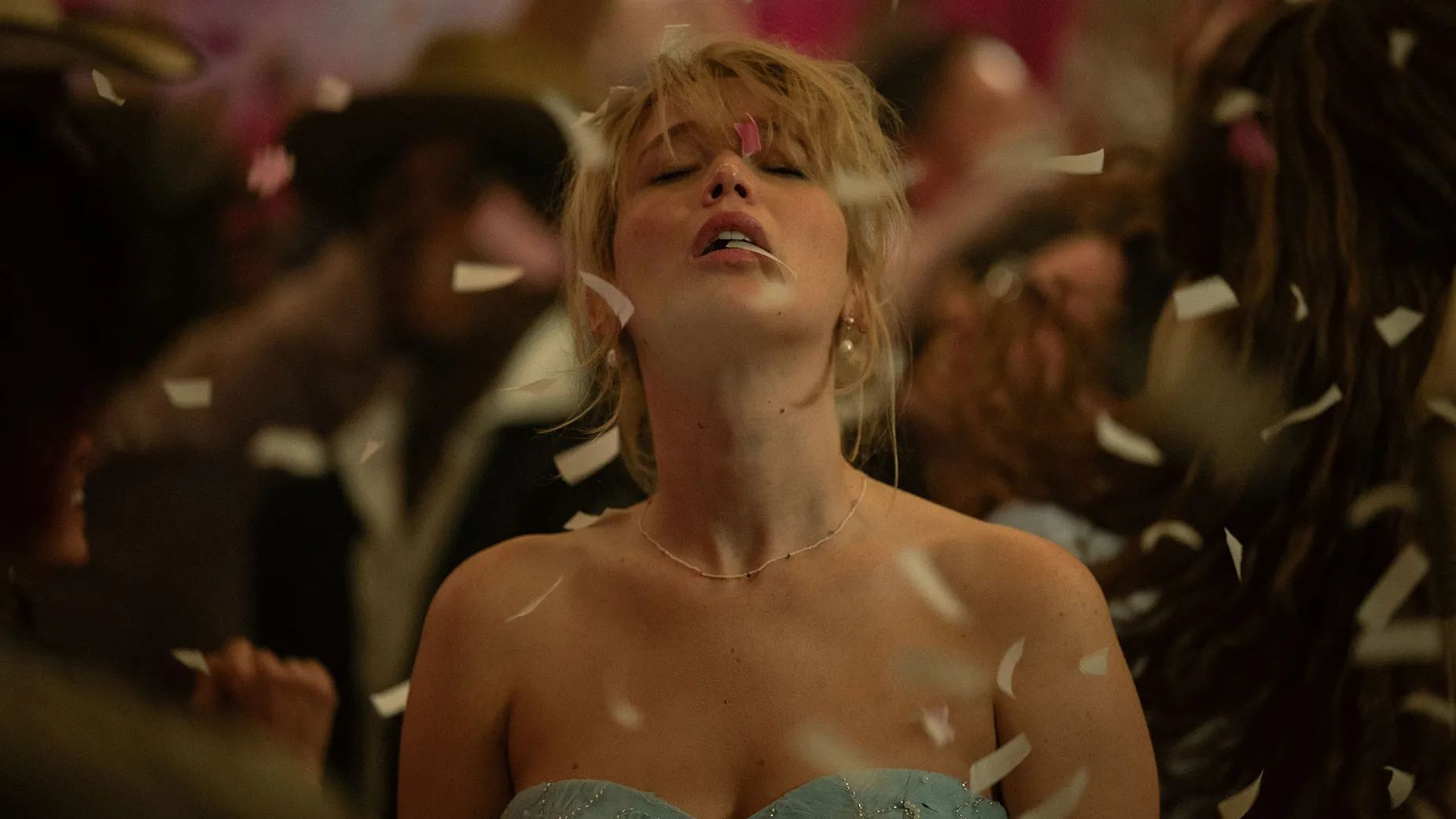
Stills from Undine (2020), directed by Christian Petzold.
© Schramm Film
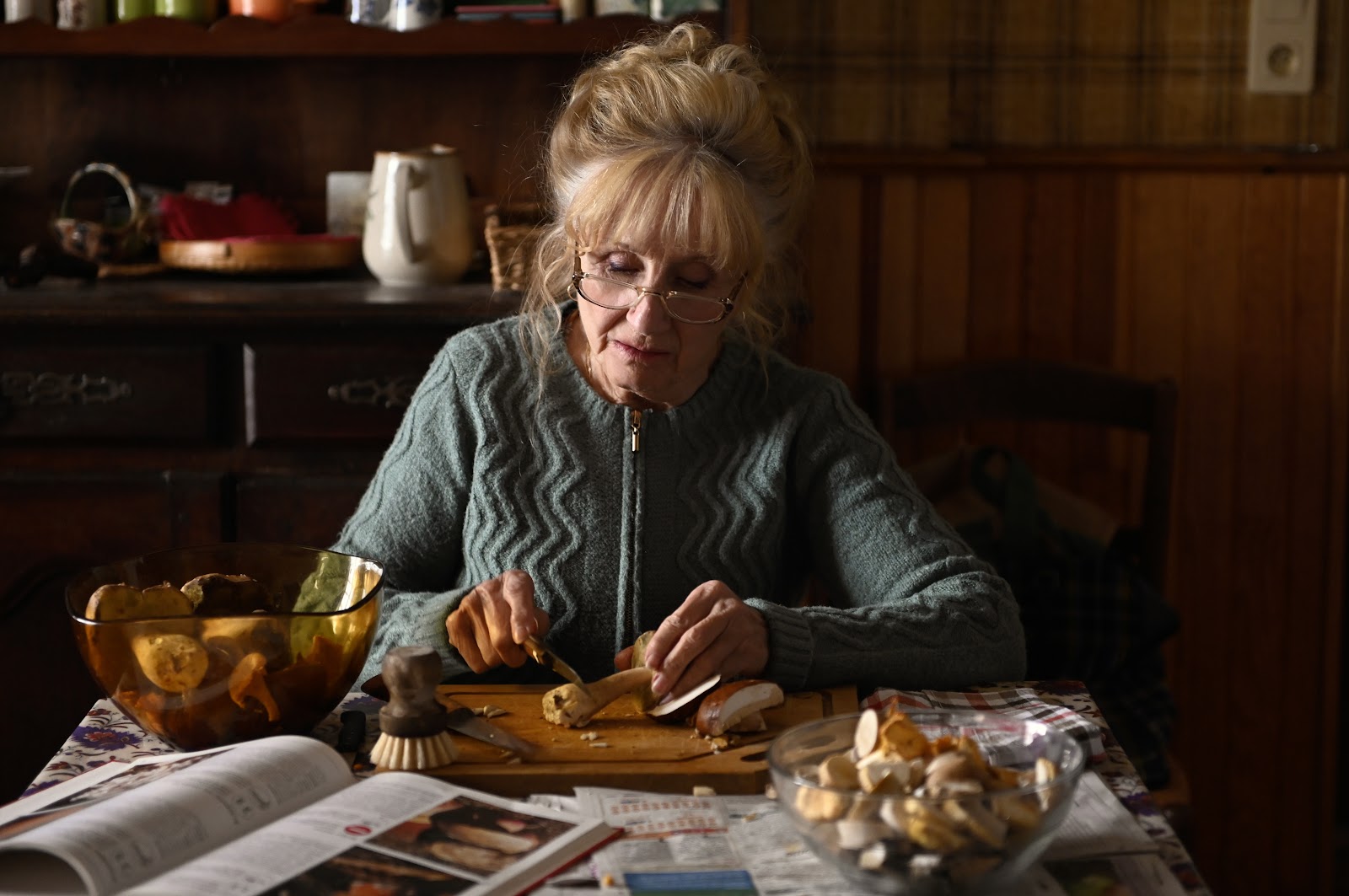
Stills from Undine (2020), directed by Christian Petzold.
© Schramm Film
As in the myth, Undine is abandoned by her lover, but she finds true love with Christoph, a professional diver who meets her during one of her talks. From there, they begin an intense relationship; Undine manages to forget her ex-partner until one day, walking alongside Christoph, she encounters him holding hands with the woman for whom he had left her. We consider this scene a turning point in the narrative, where a series of events begins and where we see a heightened emphasis on the elements of “art-cinema narration” described by Bordwell: the notion of this mythological world becomes evident, we do not find an explicit goal for the protagonist, its narrative is heterogeneous, the editing does not seek to orient the viewer linearly toward a single interpretive direction, and we can identify the presence of subjective camera work for Undine and, consequently, her psychology. That is, we perceive a stronger interest in the character over the plot of the film. In this sense, and through its protagonist, Undine immerses the viewer in an atmosphere in which the worlds of mythological or surreal beings are linked with the “real,” objective world (without providing further detail to the viewer, we ask ourselves: did Undine actually speak with Christoph that night? What happens to chronological time?).
In this film by Petzold, the adaptation of the myth of Ondine is narrated through the love story of Undine and Christoph.
In this love story, Undine functions as a vehicle that reminds us, the viewers, of Germany’s recent history, the myth, and what would be the present world and reality. Likewise, and as in the history of Germany and its division, Undine carries within herself something tied to the ancient or traditional (myth) and something new or modern, linked to her current love life and her relationship with the empirical world.
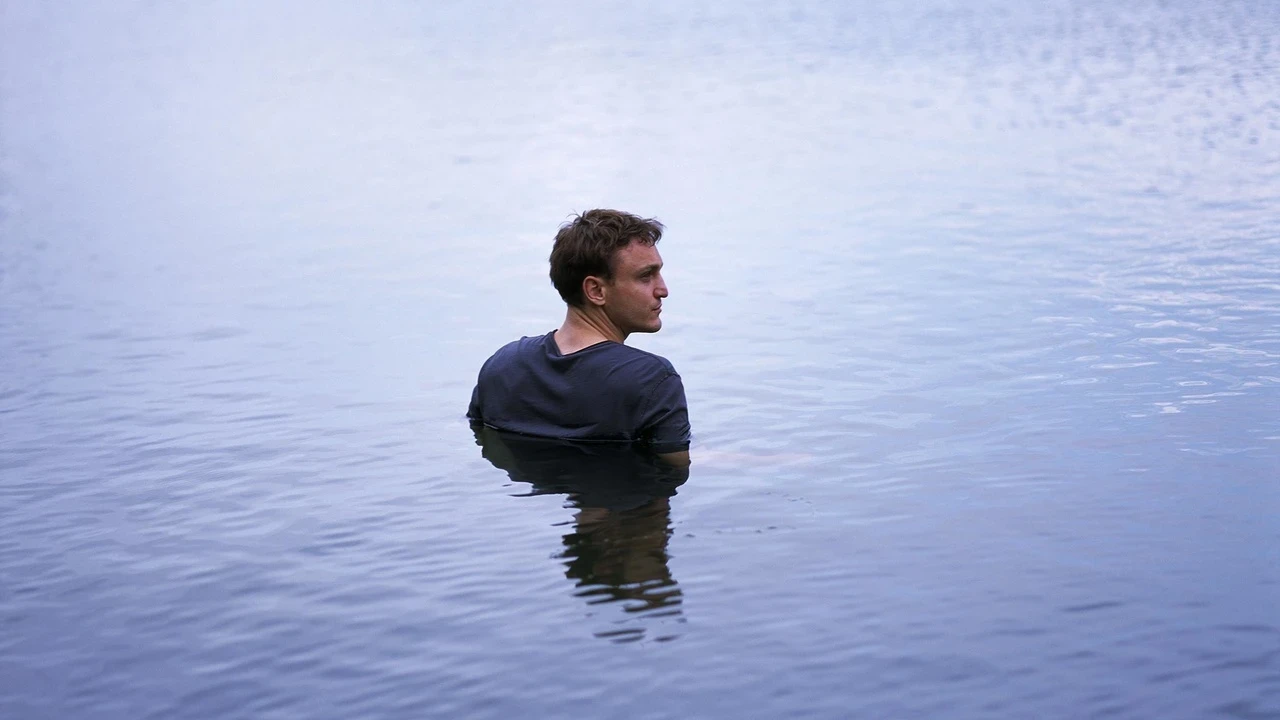

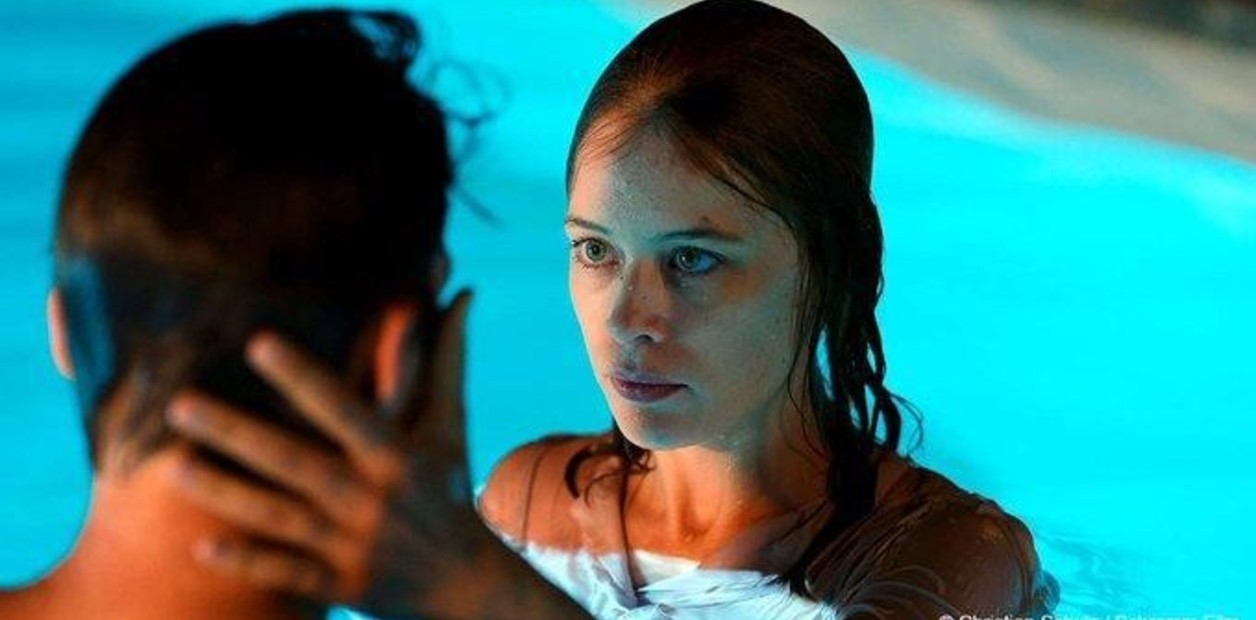


Stills from Undine (2020), directed by Christian Petzold.
© Schramm Film
Explore Topics


Undine functions as a vehicle that reminds us, the viewers, of Germany’s recent history, the myth, and what would be the present world and reality.
The atmosphere Petzold achieves is undeniably poetic: to the contemplative scenes (Undine travels by train, gazing at the landscape while shots of the journey focus on it) he adds the musical accompaniment of J. S. Bach’s Concerto in D minor BWV 974, which we recognize as the film’s leitmotif. Reviewing with Christoph one of her lectures about the Humboldt Forum, a museum located in what was once Berlin’s Royal Palace—destroyed during the Second World War and rebuilt in 2020—Undine ends this talk by saying: “In the center of Berlin there is now a museum built in the twenty-first century in the form of an eighteenth-century government palace (…) with no real differences, it seems to suggest that progress is impossible.” Thus, with this final notion of a circular history that repeats itself, the myth of Ondine will remain present and alive in the lake that shelters her for all eternity.


Film credits
Original title
Undine
Year
2020
COUNTRY
Germany
Director
Christian Petzold
Screenplay
Christian Petzold. Personaje: Friedrich de La Motte
Cast
Paula Beer, Franz Rogowski, Maryam Zaree, Jazob Matschenz, Anne Ratte-Polle, Rafael Stachowiak, Julia Franz Richter, José Barros, Gloria Endres de Olivera, Enno Trebs, Christoph Zrenner
Music
Johann Sebastian Bac - Concerto in D Minor, BWV 974: II. Adagio
Cinematography
Hans Fromm
Production companies
Coproduction Germany France, Schramm Film, Les Films du Losange, ZDF Studios, Arte, Arte France Cinéma, Canal Plus, Ciné Plus
Distributor
Piffl Medien
Genre
Romance. Drama | Romantic drama. Diving / scuba diving
MORE
film reviews
MORE
film reviews
MORE
film reviews
MORE
film reviews
Poor Things: Opening Minds
director
Yorgos Lanthimos
country
Ireland

Linger on (…) Perfect Days, by Wim Wenders
director
Wim Wenders
country
Japan

“El Jockey” and the Question of Being
director
Luis Ortega
country
Argentina


© Topica Mag 2026.
© All images of their respective owners.
© Topica Mag 2026.
© All images of their respective owners.
© Topica Mag 2026.
© All images of their respective owners.